Selecting the 2026 best fire extinguisher cabinet starts with the actual site, not a product photo. A cabinet beside a factory loading bay faces different demands from one in a hotel corridor. Buyers should compare extinguisher dimensions, mounting style, door clearance, and the space needed for quick access. Small details matter.
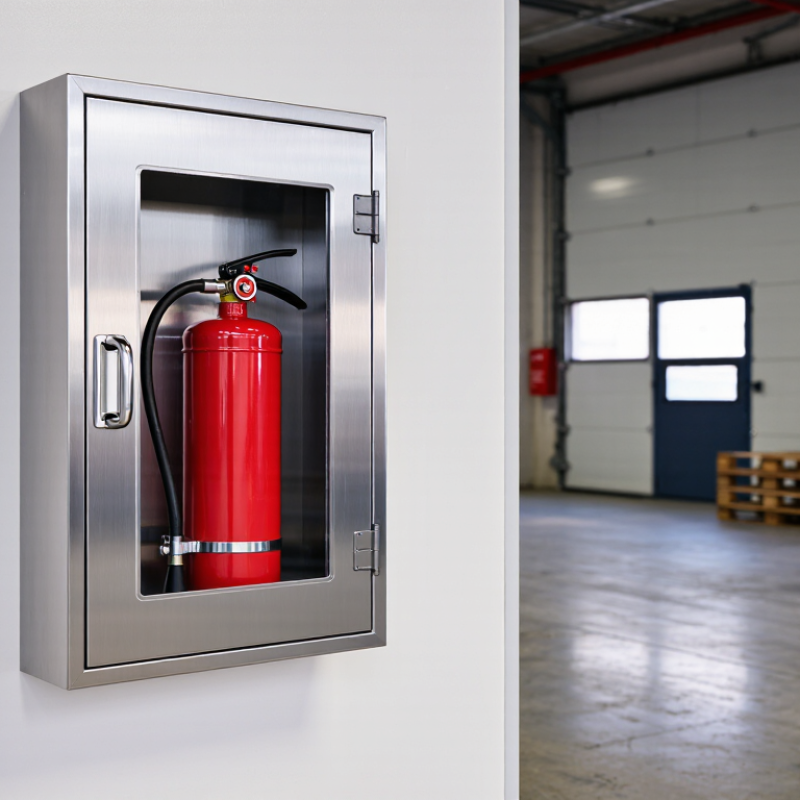
A Fire Extinguisher In Cabinet setup should protect equipment while keeping it visible and reachable. Look for clear labels, a door that opens smoothly, and construction suited to the installation environment. Steel may suit many indoor settings, while moisture-prone locations may call for corrosion-resistant materials or finishes. Check the cabinet’s internal dimensions against the extinguisher, hose, and nozzle. A close fit can make removal awkward.
Global purchasing adds another layer. Product terminology, preferred finishes, and local fire-safety requirements can vary by destination. Ask suppliers for dimensional drawings, material details, installation guidance, and relevant test or conformity documents. Then confirm requirements with a qualified local professional before ordering. This step helps prevent avoidable delays, but it does not replace a proper site assessment.
Specifications can look convincing on paper. Measure the intended wall or recess, and consider how people will approach the cabinet during an emergency. For outdoor installations, account for rain, dust, and temperature changes. For shared spaces, consider visibility and accessibility for different users. The best choice is not always the most expensive one. It is the cabinet that fits the extinguisher, environment, and maintenance plan—with no unpleasant surprises after delivery.
Define Fire Risk: NFPA 10 Limits Class A Travel Distance to 75 ft
For ordinary Class A fires involving materials such as paper, wood, and textiles, NFPA 10 generally limits travel distance to an extinguisher to 75 feet. Travel distance means the route a person must actually walk, not a straight line across a floor plan. A desk, locked door, or stacked cartons can make the real route longer.
Distance matters. A fire extinguisher cabinet should be placed where people can see and reach it along normal paths of travel. In a warehouse, measure around pallet racks and work areas. In an office, check corridors with doors open and furniture in place. The cabinet itself should not be hidden behind displays or blocked by stored supplies. A clear label helps, but it cannot fix a poor location.
The 75-foot figure is a planning limit, not a guarantee that one extinguisher suits every hazard. Extinguisher type, fire class, hazard level, and building conditions also matter. Requirements may vary by adopted code and site assessment, so confirm the applicable NFPA 10 edition with a qualified fire-safety professional or local authority. A cabinet can look compliant and still be awkward to reach. That deserves a second look.
Match Cabinet Size to Extinguisher Dimensions, Door Clearance, and Visibility
A cabinet should fit the extinguisher people will actually use, not just its listed capacity. Measure the cylinder, handle, hose, and nozzle, then allow room to grip and remove it without snagging. Check the clear door opening, not only the cabinet’s outside dimensions. A deep model can still be awkward if its door hits a corridor wall or nearby equipment. Small details matter. NFPA 10 offers guidance on extinguisher selection, installation, and access; confirm the chosen cabinet suits the unit and site conditions.
Visibility is part of access. Place the cabinet where signs and sightlines remain clear, and consider glazing where local site requirements permit it. In its 2023 U.S. fire-loss report, NFPA estimated about 1.39 million fires nationwide. That figure is not a measure of cabinet performance, but it shows why equipment should be easy to locate and reach. For global projects, verify dimensions against the actual extinguisher model and installation drawings, since product formats vary. Measure twice. I have seen plans look right on paper, then lose usable clearance to a door closer or pipe; a final on-site check is worth the extra minute.
2026 Best Fire Extinguisher Cabinet for Global Buyers
Match cabinet size to extinguisher dimensions, door clearance, and visibility.
Planning examples show suggested cabinet internal height, width, and depth in millimeters. Extinguisher dimensions vary by model, so confirm the product’s actual dimensions before ordering. Check that the door can open fully, the extinguisher can be removed easily, and the cabinet remains visible and accessible in its installed location. Follow applicable local requirements.
Compare Materials and Enclosures for Indoor, Outdoor, and Corrosive Conditions
2026 Best Fire Extinguisher Cabinet for Global Buyers
Compare Materials and Enclosures for Indoor, Outdoor, and Corrosive Conditions
A cabinet’s material should match its actual environment, not just its purchase price. For dry indoor corridors, powder-coated steel can offer durable protection and a clean finish. Outdoors, rain, sunlight, and temperature swings can damage weak coatings and seals. Stainless steel or UV-resistant fiberglass may suit harsher exposure, but neither is automatically right for every site. NFPA’s report Fire Loss in the United States During 2023 estimated 1.39 million fires and $23.2 billion in direct property damage. That scale reinforces the value of accessible, protected equipment, though a cabinet alone cannot prevent fire losses. Small details matter.
Tips: Check the enclosure’s corrosion resistance, door seal, drainage, and visibility. For coastal or chemical areas, ask for test data tied to the expected exposure—not just a material name.
NACE International’s IMPACT study estimated corrosion costs at $2.5 trillion annually, about 3.4% of global GDP. Its estimate covers many industries, not cabinets specifically, but it shows why enclosure choice deserves attention. In salty air or washdown zones, compare stainless grades and verify the hardware and hinges too; mixed metals can corrode differently. For outdoor units, confirm the stated ingress rating and inspect seals after installation. A high rating on paper can disappoint when a door is misaligned. Measure the extinguisher, handle clearance, and access route before ordering. These are easy details to miss.
Check Global Standards: EN 3 Extinguishers, UL 711 Ratings, and ISO 7010 Signs
2026 Best Fire Extinguisher Cabinet for Global Buyers
A cabinet protects equipment from dust, knocks, and accidental obstruction, but it does not make an extinguisher compliant. Check the extinguisher’s label and documentation against the requirements in its intended market. EN 3 covers portable fire extinguishers; confirm the model’s relevant conformity details and maintenance instructions. For markets using UL ratings, UL 711 fire-test classifications indicate an extinguisher’s tested performance. They are not a universal approval for every site or hazard. Match the extinguisher type and rating to the expected risks, then make sure the cabinet allows quick, unobstructed access.
Signs matter, too. ISO 7010 uses standardized safety symbols, helping people recognize fire equipment across language barriers. Check that the sign is visible from the approach, legible at the installed distance, and suited to local site conditions. A symbol hidden behind a door edge is not useful. One detail is easy to miss: cabinet dimensions must fit the specified extinguisher while leaving room for easy removal. A tight fit may look tidy, but can slow access.
Tips: Compare the cabinet opening, mounting method, and environmental protection with the actual installation. Ask suppliers for product documents, not just a standards claim. Verify local acceptance before purchase. Small differences between markets can matter. Recheck the sign after installation, especially in dim corridors or busy areas.
Plan Ongoing Care: NFPA 10 Requires Monthly Inspections and Annual Maintenance
A fire extinguisher cabinet protects equipment from impact, dust, and casual tampering, but it cannot confirm the extinguisher is ready. For global buyers, choose a cabinet that keeps the unit visible, reachable, and matched to its size and location.
NFPA’s report Fire Loss in the United States During 2023 estimated 1.389 million fires and $23.2 billion in direct property damage. These U.S. figures are not a global forecast, but they show why accessible, maintained equipment matters.
Keep care in the operating plan.
NFPA 10 calls for monthly inspections and annual maintenance of portable extinguishers; local rules may add requirements. During monthly checks, confirm the cabinet is unobstructed, the extinguisher is present, the pressure indicator is in range, and seals and labels are intact.
Look for dents, corrosion, leaks, or a door that sticks. Small faults count. Arrange annual maintenance through qualified personnel, and keep dated records of findings and corrective work. A logbook helps, though it can record a check without proving the cabinet was easy to open. Test access in person, especially after moving stock or changing the room layout.
Conclusion
Choosing the right Fire Extinguisher In Cabinet starts with the fire risks and layout of the site. For Class A hazards, NFPA 10 sets a maximum travel distance of 75 feet to an extinguisher, so placement should allow clear, quick access. Match the cabinet’s internal dimensions to the extinguisher, leaving enough room to remove it easily, and consider door clearance and visibility from nearby walkways. The cabinet should protect the unit without hiding its location or delaying access.
Select materials and enclosure features according to the environment: indoor areas, exposed outdoor locations, and corrosive settings may call for different levels of weather and corrosion resistance. For international projects, verify that the extinguisher’s EN 3 requirements, its UL 711 fire rating where applicable, and ISO 7010 identification signs suit the project. Ongoing care matters too: NFPA 10 calls for monthly inspections and annual maintenance, helping keep the extinguisher accessible and ready for use.