
How to Choose the Best Eyewashing Station for Your Workplace?

Time:2026-08-30 Author:Isabella
0%

In any workplace, safety is paramount. Recent studies indicate that over 20,000 workers suffer eye injuries annually, with a significant portion occurring in hazardous environments. Proper response measures can mitigate these injuries. An Eyewashing Station is vital for immediate treatment in these situations.

Choosing the right Eyewashing Station involves understanding workplace risks. The ANSI/ISEA Z358.1 standard sets guidelines for eyewash stations to ensure they are effective. An Eyewashing Station must be accessible and deliver a steady flow of water for at least 15 minutes. Many employers, however, underestimate these requirements.

It's essential to evaluate the station's features. Options vary widely, and some may not meet specific industry needs. Some stations struggle with poor water pressure, compromising safety. Investing time in selecting an Eyewashing Station can significantly enhance employee safety and compliance. This choice could save lives and reduce the likelihood of costly incidents.
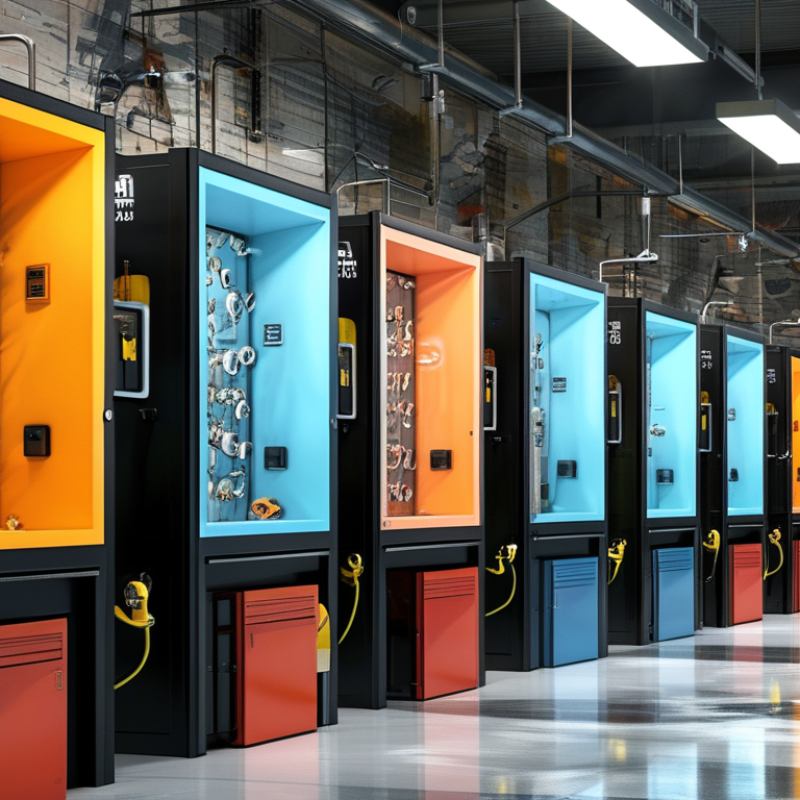
How to Choose the Best Eyewashing Station for Your Workplace?

Understanding the Importance of Eyewashing Stations in the Workplace

Eyewashing stations are essential in workplaces where hazardous materials are present. They provide immediate assistance to employees in case of eye exposure to harmful substances. Understanding their importance is crucial for workplace safety. An effective eyewashing station can prevent severe injuries and minimize damage.

When selecting an eyewashing station, consider the location. It should be accessible and easily visible. Employees must quickly reach it in emergencies. Regular maintenance is essential to ensure that the water is clean and the equipment is functional. A station that sits unused or is poorly maintained may not provide the necessary aid when needed.

Training your employees is also vital. They need to know how to use the station effectively. Ensure they understand the procedure, including how long to rinse their eyes. Conduct drills to reinforce this knowledge. Provide clear instructions near the eyewash station for quick reference. Remember, it’s not just about having the equipment; it’s also about ensuring everyone is prepared to use it properly in case of an emergency.

Key Features to Consider When Selecting Eyewashing Stations

When selecting an eyewashing station, consider its placement. It should be easily accessible in the event of an emergency. Ideally, the station should be within 10 seconds of the hazard. Clear pathways are crucial to ensure quick access. Think about the layout of your workspace. If tools are scattered, movement may be hindered.

The design of the eyewash unit matters. Look for models with two nozzles that provide a gentle flow of water. This feature helps wash away contaminants without causing further irritation. Ensure the water temperature is regulated. Water that is too cold or hot can worsen injuries. Regular maintenance is essential. Dust and debris can accumulate, making the station ineffective.

Durability is another factor. Material quality affects the station’s lifespan. Choose corrosion-resistant materials. Ensure the eyewash station meets safety standards. This confirms that it can withstand workplace conditions. Reflect on the training needs of staff. Proper training enhances the efficiency of using these stations in emergencies. Empower employees to act using clear and simple instructions.

Evaluating Compliance with OSHA and ANSI Standards

When selecting an eyewashing station, compliance with OSHA and ANSI standards is critical. OSHA requires workplaces to have appropriate eye wash stations in environments with hazardous materials. These stations must be readily accessible and clearly marked. Regular inspection and maintenance ensure that they function properly in emergencies.

ANSI standards complement OSHA's requirements by detailing the design and performance of eyewash stations. They specify water flow rates and temperature, ensuring that the water is tepid—ideal for soothing eyes exposed to harmful substances. It’s important to evaluate the type of injuries that could occur in your workplace. Not all stations are suitable for every situation, and understanding your specific needs is essential.

Finding a balance between compliance and usability can be challenging. Some facilities may overlook the necessity for regular training on the station's use. Employees should know how to operate it, especially under stress. Evaluating the overall effectiveness of an eyewash station often reveals room for improvement. Regularly assess both compliance and employee familiarity to foster a safer work environment.

Assessing the Size and Accessibility Needs for Your Eyewashing Station

Choosing the right eyewashing station is crucial for workplace safety. To begin, consider the size of your workspace. According to industry guidelines, eyewash stations must be accessible within 10 seconds from any location. This is vital in emergencies where every second counts. Additionally, the station should accommodate all employees, including those with disabilities. A clear path is necessary for easy access.

Accessibility goes beyond just physical space. It involves ensuring the station is well-marked and visible. The American National Standards Institute (ANSI) emphasizes that proper signage can significantly reduce response times in emergencies. Workers must know where to go and how to use the station quickly. Training sessions that incorporate hands-on experience with the eyewashing equipment can help foster familiarity.

Reflecting on your current layout may reveal shortcomings. Is the station blocked by equipment or other hazards? It may also be worth considering the maintenance schedule for these stations. Regular checks ensure they function correctly when most needed. In conclusion, evaluating size and accessibility needs is not just about compliance—it's about creating a safe work environment for everyone.

Comparing Different Types of Eyewashing Stations Available on the Market

When selecting the best eyewashing station for your workplace, consider the various types available. Gravity-fed eyewash stations are simple and cost-effective. They rely on gravity to deliver clean water. However, one drawback is that they require regular maintenance to ensure they function effectively. Check the water flow rate and volume to ensure prompt washing in emergencies.

Plumbed eyewash stations provide a continuous supply of water. These are ideal for high-risk environments where chemicals are prevalent. Yet, installation may be complex and requires plumbing connections. Think about the potential need for pipes and drainage. Also, a yearly inspection is necessary to maintain compliance and safety standards.

Portable eyewash stations offer flexibility. They are easy to move and can be placed in different locations as needed. On the downside, they might have smaller water capacities, requiring frequent refills. Ensure these units are checked regularly to avoid potential contamination. Overall, assess your workplace needs and compliance requirements to make the best choice.

Comparison of Different Types of Eyewashing Stations

FAQS

: What should be considered when choosing an eyewashing station?

: Consider placement, design, durability, and maintenance. Accessibility is key for safety.

How far should an eyewash station be from potential hazards?

Ideally, it should be within 10 seconds of the hazard for quick access.

Why is water temperature important in eyewash stations?

Regulated water temperature prevents worsening injuries caused by too hot or too cold water.

What features should an effective eyewash unit have?

Look for models with two nozzles and a gentle water flow to wash away contaminants safely.

How can maintenance affect eyewash stations?

Dust and debris can render a station ineffective. Regular checks are necessary for proper function.

How should the accessibility of eyewash stations be ensured?

Clear pathways and proper signage are essential. Workers need to know where to go quickly.

What role does staff training play in using eyewash stations?

Proper training empowers employees and enhances efficiency during emergencies with clear instructions.

How should workplaces assess current eyewash station layouts?

Check for blockages by equipment or hazards that may impede access. Reflect on possible shortcomings.

Why should eyewash stations accommodate all employees?

Stations should be accessible for everyone, including employees with disabilities, to ensure safety.

Is compliance with safety standards enough for eyewash stations?

Meeting safety standards is crucial, but creating a safe environment also requires functional and accessible stations.

Conclusion

Choosing the best Eyewashing Station for your workplace is crucial for employee safety, particularly in environments where chemical exposure is a risk. Understanding the importance of these stations highlights their role in providing immediate relief during emergencies. When selecting an Eyewashing Station, it's essential to consider key features such as water flow rate, spray patterns, and overall design to ensure effectiveness in an emergency.

Moreover, compliance with OSHA and ANSI standards ensures that the Eyewashing Station meets necessary safety regulations, thereby enhancing workplace safety. Assessing the size and accessibility needs is also critical; the unit must be easily reachable and suitable for the workspace layout. Finally, comparing different types of Eyewashing Stations available on the market can help identify the one that aligns best with specific workplace requirements, ultimately fostering a safer working environment.

Isabella

Isabella

Isabella is a dedicated marketing professional with a sharp focus on driving brand growth and engagement through strategic content creation. With an extensive background in digital marketing, she combines her passion for storytelling with her keen understanding of industry trends to deliver......