Choosing the Best Medicine Chests for Global Buyers requires more than comparing finishes and prices. Buyers must consider storage capacity, moisture resistance, installation options, and access to everyday medicines. A chest beside a bathroom sink faces different conditions from one mounted in a dry hallway. Small details matter.
The World Health Organization reports that falls cause about 684,000 deaths worldwide each year, with adults aged 60 and older facing the greatest risk. This figure does not mean a medicine chest prevents falls. It does highlight why clear access, secure mounting, and sensible placement deserve attention in home environments. The United Nations also projects that the global population aged 65 and older will reach about 1.6 billion by 2050. For manufacturers and distributors, that demographic shift makes usability and readable organization worth examining alongside appearance.
Evidence helps, but it cannot replace product testing. A market report may describe demand; it cannot confirm whether a door stays aligned after repeated use or whether a shelf fits common packaging. Check materials, hinge performance, interior dimensions, mounting hardware, and care instructions. Ask suppliers for verifiable specifications and samples where possible. Consider regional preferences, too: wall construction and bathroom layouts vary widely. Not every buyer will prioritize the same feature. Some will value a mirrored door; others need deeper shelves or easier cleaning. Even careful selection has limits. Installation conditions can change the result.
What Is a Medicine Chest and What Purposes Does It Serve?
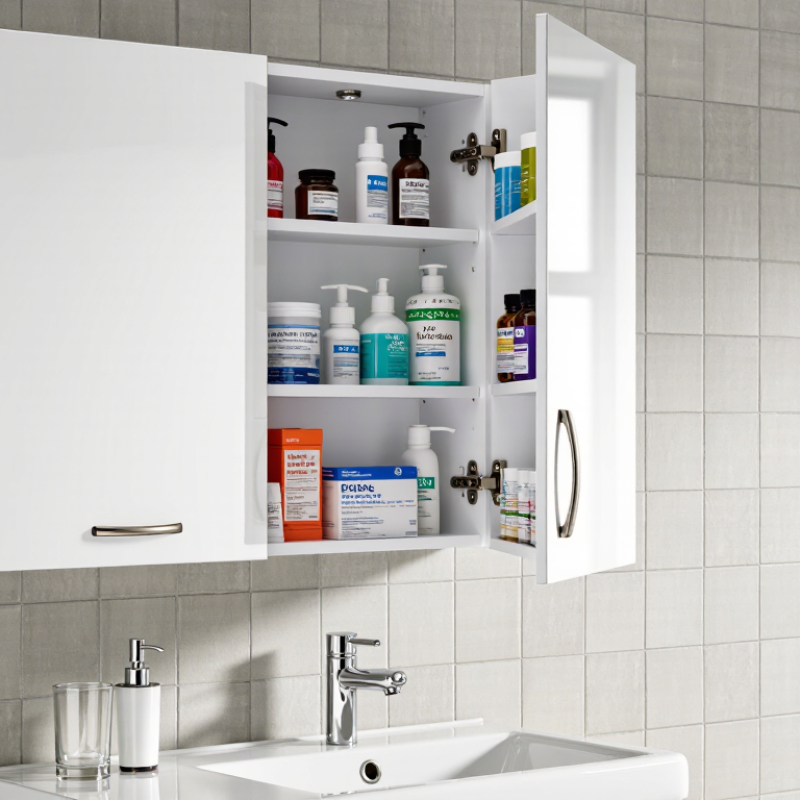
A medicine chest is a dedicated place to keep everyday medicines, basic first-aid supplies, and health records together. It may be a wall-mounted cabinet, a portable box, or a lockable drawer. The right format depends on the household: a family with children may need secure storage, while an older adult may value clear labels and easy access. Keep medicines in their original packaging, away from heat and moisture, and separate items that could be confused. A cool, dry hallway cupboard often works better than a steamy bathroom. Not every home has the same needs.
Its purpose is practical: reduce searching, support safe routines, and keep supplies out of reach of children. The World Health Organization’s 2017 report on medication safety estimates that medication errors cost about US$42 billion worldwide each year. A medicine chest cannot prevent every error, but organized storage can make labels easier to check and expired products easier to identify. Review its contents regularly, follow each product’s storage instructions, and ask a pharmacist when instructions are unclear. It is easy to over-organize, too; a crowded chest can hide what matters. A simple inventory card can help, especially when several people share the same cabinet.
Which Storage, Safety, and Accessibility Needs Should Buyers Assess?
Choosing a medicine chest starts with the items it must hold. Count bottles, bandages, and small tools, then measure their height and width. Adjustable shelves help fit changing supplies, while a shallow door pocket keeps frequently used items visible. A chest that looks roomy can still waste space if its shelves are poorly spaced. Check the interior dimensions, not just the outer measurements.
Safety and access matter just as much. In a shared home, consider a lockable cabinet and a mounting position beyond young children’s reach. Keep the chest dry and away from heat sources that could affect stored products. For older adults or anyone with limited hand strength, look for easy-grip handles, clear labels, and doors that open without force. Wall-mounted units should include suitable fixings for the intended surface. Fit can vary. Verify before installation.
Tips: Group supplies in labeled containers, and leave a clear front row for everyday items. Review stored products regularly, following their packaging instructions and removing anything damaged or no longer suitable. A mirrored door may be convenient, but it should not replace good lighting or a clear view of contents. Don’t overfill the cabinet; crowded shelves make small items harder to find during a stressful moment.
How Do Materials, Construction, and Features Affect Product Quality?
Material choice shapes how a medicine chest performs after months of daily use. Powder-coated steel resists dents and wipes clean, while stainless steel handles humid rooms better but usually costs more. Quality varies, so buyers should inspect coating edges, welds, and hinge attachment points. A tiny rust spot can become a larger problem. Solid wood offers a warm appearance, but moisture may cause swelling or uneven doors. For bathrooms or clinics, sealed surfaces and clear cleaning instructions matter.
Construction affects safety and access. Look for doors that sit square, shelves that remain level under ordinary loads, and hinges that open smoothly without scraping. A chest mounted on a wall needs secure fixings suited to the wall material; included hardware may not fit every installation. Check shelf spacing against the actual containers people will store. Measuring first is dull, but it prevents wasted space. A latch should close reliably without requiring force, and sharp corners or rough edges deserve attention.
Useful features should solve real storage problems rather than merely add complexity. Adjustable shelves accommodate bottles of different heights, while removable trays make small items easier to organize. A mirrored door can save space, though it may show fingerprints quickly. Ventilation can help limit trapped moisture, but it should not compromise dust protection where cleanliness is important. Inspect load limits, finish consistency, and replacement-part availability before ordering. Specifications are helpful, yet a photograph rarely reveals a weak hinge. Ask for close-up images or a sample when the purchase quantity justifies it.
Which Standards and Market Requirements Apply in Different Countries?
For global buyers, medicine chests must match the destination country’s rules, not only the supplier’s catalogue. In the European Union, the General Product Safety Regulation (EU) 2023/988 requires safe products, traceability, and clear risk information. A storage cabinet normally does not need CE marking unless it includes regulated electrical or medical functions. That detail is often misunderstood. In the United States, child-resistant packaging requirements under 16 CFR Part 1700 usually apply to medicine containers, not the cabinet itself. However, buyers should still assess locking strength, tip-over risk, materials, and warning labels under applicable consumer safety rules.
Practical requirements also vary by environment. The World Health Organization reports that medication-related harm costs about US$42 billion globally each year, showing why controlled storage matters. A chest for a humid coastal market may need corrosion-resistant hinges, sealed surfaces, and easy cleaning. Healthcare facilities may require documented temperature control, access records, and separation from cleaning chemicals. ISO 3864-1 and ISO 7010 can guide safety colors and symbols, but local language remains essential. Use English alone only when the market permits it.
Ask for material declarations, test reports, batch traceability, and installation instructions. For electronic locks, confirm the destination’s electrical safety and radio requirements separately. I have seen buyers treat “global compliance” as one certificate. It is not. A careful review by a local compliance professional remains necessary, especially when the chest stores prescription medicines or serves a clinical facility.
How to Choose Medicine Chests for Global Markets
U.S. TSCA Title VI formaldehyde emission limits for regulated composite wood panels commonly used in furniture.
Lower limits mean lower permitted formaldehyde emissions. These U.S. limits apply to the specified panel types, not to every finished medicine chest. For other markets, verify local chemical, labeling, and product-safety requirements separately; for example, EU REACH has communication obligations when a Candidate List substance exceeds 0.1% by weight in an article.
Sources: U.S. EPA TSCA Title VI, 40 CFR Part 770; ECHA Candidate List. Emission limits are in parts per million (ppm).
How Can Buyers Compare Suppliers, Costs, and Delivery Options?
Global buyers should compare medicine chest suppliers through evidence, not attractive catalogs. In procurement reviews, I request factory photos, material specifications, inspection records, and recent export references. A reliable supplier explains the chest’s dimensions, lock strength, shelf load, and moisture resistance clearly. Vague answers create risk.
Ask for a physical sample before placing a large order. Check hinge alignment, edge finishing, odor, packaging, and label accuracy. Small defects often become expensive complaints. Compare quotations using the same specifications, including metal thickness, coating type, accessories, and carton size. Otherwise, the cheapest offer may simply contain less. That happens.
Cost comparison should include tooling, sample fees, packaging, inland transport, freight, insurance, duties, and payment charges. Request both unit pricing and total landed cost. A spreadsheet helps expose hidden differences. For example, a lower unit price may require larger minimum quantities or costly custom packaging. Currency changes can also affect the final budget.
Delivery options deserve equal attention. Compare production time, inspection time, port handling, and estimated transit days. Ask whether the supplier offers sea, air, rail, or multimodal shipping. Sea freight may reduce cost but extend inventory planning. Air freight moves faster, yet it can weaken margins. Confirm carton dimensions and pallet limits before booking. One overlooked measurement can delay an entire shipment. I still recheck schedules because factory promises are estimates, not guarantees.
FAQS
It is a dedicated place for everyday medicines, first-aid supplies, and health records. It may be a cabinet, box, or drawer.
Choose a cool, dry location, such as a hallway cupboard. Avoid steamy bathrooms and areas near heaters.
Yes. Original packaging keeps instructions and expiry details nearby. It also reduces confusion between similar containers.
Organized storage makes labels easier to check and expired items easier to notice. It also keeps supplies away from young children.
Count bottles, bandages, and small tools before buying. Measure their height and width. Check interior dimensions, not only exterior size.
Look for clear labels, easy-grip handles, and doors requiring little force. Good lighting also helps.
It can help in homes with young children or shared access. Install it securely and keep the key or access method controlled.
Use labeled containers and keep everyday items in the front row. Adjustable shelves can fit changing supplies.
Check it regularly and follow each product’s storage instructions. Remove damaged or unsuitable items. A simple inventory card may help.
It may be convenient, but it cannot replace clear lighting or visible contents. A crowded cabinet still creates problems.
Conclusion
Choosing the right Medicine Chests requires global buyers to consider more than appearance and price. A medicine chest is designed to organize, protect, and provide convenient access to medical supplies, medicines, and basic first-aid items in homes, workplaces, healthcare facilities, and travel settings. Buyers should assess storage capacity, compartment design, locking options, child safety, visibility, portability, and ease of cleaning. The product should support quick access while helping prevent misuse, contamination, and damage.
Material selection and construction also affect durability, hygiene, and long-term value. Buyers should compare options such as metal, plastic, or other suitable materials based on strength, corrosion resistance, weight, and maintenance needs. Product quality should be supported by reliable hinges, secure closures, smooth surfaces, and practical features. In addition, international buyers need to review applicable safety standards, labeling, packaging, import requirements, and market-specific regulations. Comparing suppliers should include product consistency, customization, minimum order quantities, certifications, communication, production capacity, total costs, shipping methods, lead times, and after-sales support to make a dependable purchasing decision.