
Why Should You Invest in an Eyewash Station for Safety?

Time:2026-08-13 Author:Liam
0%

In industrial environments, safety is paramount. An Eyewash Station is a critical investment for preventing eye injuries. According to the American National Standards Institute (ANSI), about 20,000 workplace eye injuries occur each year in the United States, highlighting the urgent need for effective safety measures. Industry expert Dr. Robert Hazard states, “Having a well-placed Eyewash Station can save vision and lives.”

Despite the apparent necessity, many workplaces remain unprepared. Studies show that one in five businesses neglect to install these essential safety stations. This oversight can lead to devastating consequences. Quick access to an Eyewash Station can significantly reduce the severity of eye injuries. Yet, compliance with regulations is often inconsistent, leading to delays in emergency response.

Moreover, while technical specifications for Eyewash Stations are available, the practical implications of their placement are often underestimated. It’s crucial to evaluate the specific needs of a workplace. Thoughtful integration of Eyewash Stations can enhance emergency readiness. However, the lack of regular assessment means many stations may not function effectively when needed most. This gap in safety preparedness requires reconsideration and diligent action.
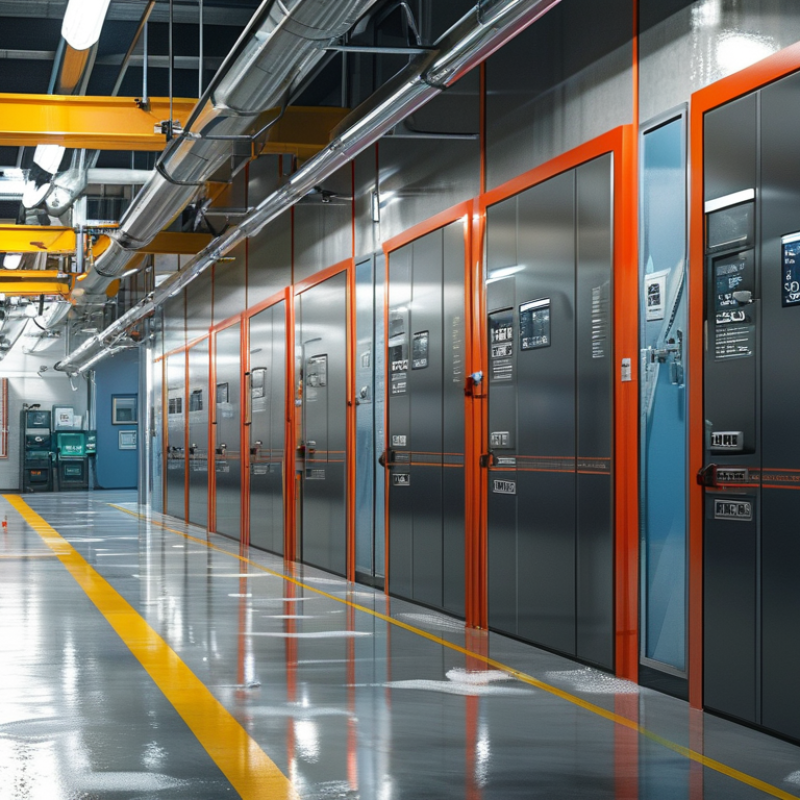
Why Should You Invest in an Eyewash Station for Safety?

Importance of Safety in Work Environments

Safety in work environments is crucial. Every year, countless workers face injuries that could have been prevented. Eyewash stations play a vital role in emergency preparedness. They offer immediate relief for eye injuries caused by chemicals or contaminants. Fast access to proper eyewash can significantly reduce long-term damage.

In many workplaces, employees may overlook the importance of eyewash stations. It’s easy to think, “It won’t happen to me.” Yet, accidents can occur without warning. Having a well-stocked and accessible eyewash station sends a strong safety message to the workforce. It shows that their health and well-being are priorities. Regular training on how to use these stations is essential. Creating a culture of safety cannot happen overnight. It requires ongoing effort and reflection.

Proper installation and maintenance of eyewash stations are equally important. A dusty or poorly maintained station is nearly useless. Employers should regularly inspect these safety features. It's also beneficial to conduct drills, allowing workers to practice using eyewash stations. This preparation fosters confidence in handling emergencies correctly. Safety in the workplace must be an active commitment, not a passive assumption.

Importance of Eyewash Stations in Work Environments

Investing in eyewash stations can significantly reduce the injury rate in work environments. The data shows that environments equipped with eyewash stations have an injury rate of 15%, while those without them have a much higher rate of 60%. This stark contrast highlights the importance of having appropriate safety measures in place to protect workers.

Understanding the Functionality of Eyewash Stations

Eyewash stations are essential in workplaces where hazardous materials are present. They provide immediate relief for eye injuries caused by chemicals or foreign objects. According to the American National Standards Institute (ANSI), every workplace must have appropriate eyewash facilities. This ensures compliance and, more importantly, protects the health of the employees.

A properly installed eyewash station can minimize damage or irritation to the eyes. Studies indicate that immediate rinsing can reduce injury severity by up to 90%. However, not all eyewash stations are effective. Factors like water temperature and flow rate can impact their functionality. Many stations fail to meet ANSI standards due to improper flushing systems. Regular maintenance is crucial for ensuring that the stations work properly when needed.

Training employees to use eyewash stations correctly is equally important. Even with well-functioning equipment, proper technique makes a significant difference. Training reduces panic during emergencies. It prepares employees to react swiftly and confidently. Despite this, many workplaces overlook routine drills. Failure to consider these details can lead to ineffective responses during actual emergencies, resulting in unnecessary suffering.

Health Benefits of Immediate Eye Care

Investing in an eyewash station is crucial for workplace safety. Eye injuries can happen unexpectedly due to chemical splashes, dust, or foreign objects. Immediate care is necessary to prevent long-term damage. An eyewash station allows workers to flush their eyes right away. This quick action minimizes pain and reduces the risk of serious injury.

The health benefits of immediate eye care are significant. When contaminants enter the eye, time is of the essence. The longer the irritant remains, the worse the damage may become. Eyewash stations provide a reliable source of clean water for rinsing. Workers can use them without waiting for assistance. This empowerment can lead to a more confident and safe work environment.

However, some facilities overlook the importance of regular maintenance. Eyewash stations must be tested often to ensure they function properly. Dust and debris can build up over time, potentially harming users. It’s crucial to have a plan in place for routine checks. Discussions around eyewash stations should not wait until an injury occurs. Awareness and preparedness are the keys to effective safety measures.

Legal Requirements and Compliance for Eyewash Stations

When it comes to workplace safety, eyewash stations play a critical role. They are not just an option; they are often mandated by regulations. Occupational Safety and Health Administration (OSHA) guidelines require eyewash stations in areas where hazardous materials are used. Compliance ensures that employees can access immediate help in case of eye exposure to harmful substances.


Proper placement of eyewash stations is essential. They should be within a 10-second walk from potential hazards. Inadequate station placement may lead to serious injuries. Regular maintenance checks are crucial. Stations must be fully operational at all times, with clean water and no obstructions. Non-compliance can lead to legal repercussions, including fines and workplace accidents.


While installing eyewash stations may seem straightforward, companies often overlook this vital safety measure. Some assume that having a plan is enough. Regular training and drills can enhance awareness among employees. Without a strong safety culture, even the best equipment fails to protect. Companies must prioritize safety compliance to maintain a secure work environment.

Choosing the Right Eyewash Station for Your Needs

Choosing the right eyewash station is critical for any workplace. The American National Standards Institute (ANSI) mandates that companies provide accessible eyewash stations. This is particularly vital in environments where hazardous substances are present. According to the Occupational Safety and Health Administration (OSHA), immediate access to an eyewash station can significantly reduce the severity of injuries caused by chemical exposure.

When selecting an eyewash station, consider the specific needs of your facility. For example, your workplace may require a plumbed station that delivers a continuous flow of water. Alternatively, a portable eyewash station could be more appropriate for smaller spaces or mobile work environments. Industry reports indicate that portable stations are often overlooked, yet they can save valuable time and lives in emergencies.

The location of your eyewash station must also be strategic. It should be within a 10-second reach of potential hazards. This poses a challenge in larger facilities where workers may be spread out. Regular maintenance of these stations is crucial but often neglected. Studies show that many facilities fail to perform routine inspections, leaving equipment potentially unsafe when needed. Understanding these nuances can improve safety protocols and ensure better preparedness for emergencies.

Why Should You Invest in an Eyewash Station for Safety?

Feature Description Importance
Emergency Response Time Immediate access to eyewash for flushing contaminants from the eyes. Critical for minimizing injury severity.
Water Temperature Maintains an appropriate temperature for comfort and effectiveness. Helps to soothe the eyes while flushing.
Ease of Use Quickly activated with one-hand operation for rapid response. Essential for all users, especially in panic situations.
Portability Some models are designed to be mobile for various locations. Allows quick access in different areas of need.
Compliance Standards Meets OSHA and ANSI regulations for safety equipment. Ensures legal compliance and safety assurance.
Maintenance Requirements Regular checks and refill schedules for optimal performance. Guarantees readiness when emergencies arise.

FAQS

: Why are eyewash stations important in the workplace?

: Eyewash stations are critical for immediate eye care to prevent long-term damage from injuries.

How quickly should workers be able to access eyewash stations?

Eyewash stations must be within a 10-second walk from potential hazards.

What is the consequence of not maintaining eyewash stations?

Neglected eyewash stations can lead to serious injuries and may not function when needed.

How can the placement of eyewash stations affect safety?

Incorrect placement can lead to longer response times and increase the risk of severe injuries.

What are the legal requirements for eyewash stations?

Regulations often mandate eyewash stations in areas with hazardous materials to ensure compliance and safety.

What should facilities regularly check regarding their eyewash stations?

Facilities must ensure that eyewash stations have clean water and are unobstructed.

Why might companies overlook the importance of eyewash stations?

Some companies assume having a safety plan is sufficient, which can lead to gaps in emergency preparedness.

What kind of eyewash station might be best for smaller spaces?

Portable eyewash stations can be effective in smaller or mobile work environments.

What role does employee training play in eyewash station effectiveness?

Regular training enhances awareness and preparedness, making employees more confident in emergencies.

How can facilities improve safety protocols related to eyewash stations?

Understanding the specific needs and performing routine inspections can bolster safety measures.

Conclusion

Investing in an Eyewash Station is a crucial step in ensuring safety within any work environment, particularly those where hazardous materials are present. These stations provide immediate eye care, which is essential in reducing the risk of serious injuries caused by chemical exposure or foreign objects. Understanding the functionality of Eyewash Stations helps employers meet legal requirements and compliance standards, ultimately promoting a culture of safety and preparedness.

Moreover, the health benefits of having accessible Eyewash Stations cannot be overstated. They offer immediate assistance when accidents occur, significantly improving outcomes and potentially saving employees from long-term damage. When selecting the right Eyewash Station, it is important to consider the specific needs of the workplace and ensure that the station is well-maintained and easily accessible. Prioritizing eye safety with proper equipment is not just a regulatory requirement but a vital investment in the wellbeing of employees.

Liam

Liam

Liam is a dedicated marketing professional with a profound expertise in the industry, where he excels at highlighting the unique advantages of our core products. With a keen understanding of market trends and consumer needs, Liam frequently updates our company’s professional blog, providing......