
Buying Mirrored Bathroom Wall Cabinets looks simple until the bathroom light exposes every poor decision. A cabinet must reflect the room clearly, resist daily moisture, and store essentials without crowding the sink. This guide presents ten practical tips for making that choice with greater confidence. It focuses on measurements, materials, installation, lighting, storage, and long-term reliability. Before shopping, measure the wall width, available height, and the sink’s position. Record the door swing, outlet locations, and nearby shower spray. Small details matter.
Experienced installers often check wall strength before recommending a cabinet. A heavy mirror cabinet needs suitable anchors, especially on tiled or hollow walls. Look for moisture-resistant finishes, smooth hinges, adjustable shelves, and securely fitted mirrors. Safety-backed glass and a clear warranty also deserve attention. Product specifications should come from the manufacturer, while installation advice should come from a qualified professional. That combination is more dependable than attractive photographs alone. Still, no checklist is perfect. I have seen buyers focus on mirror style and overlook door clearance. It happens easily. Open the cabinet in your imagination. Will it hit a light fixture, medicine bottle, or towel hook? These ten tips will help you compare options realistically, avoid expensive adjustments, and select a cabinet that suits both your routine and your bathroom’s actual conditions.
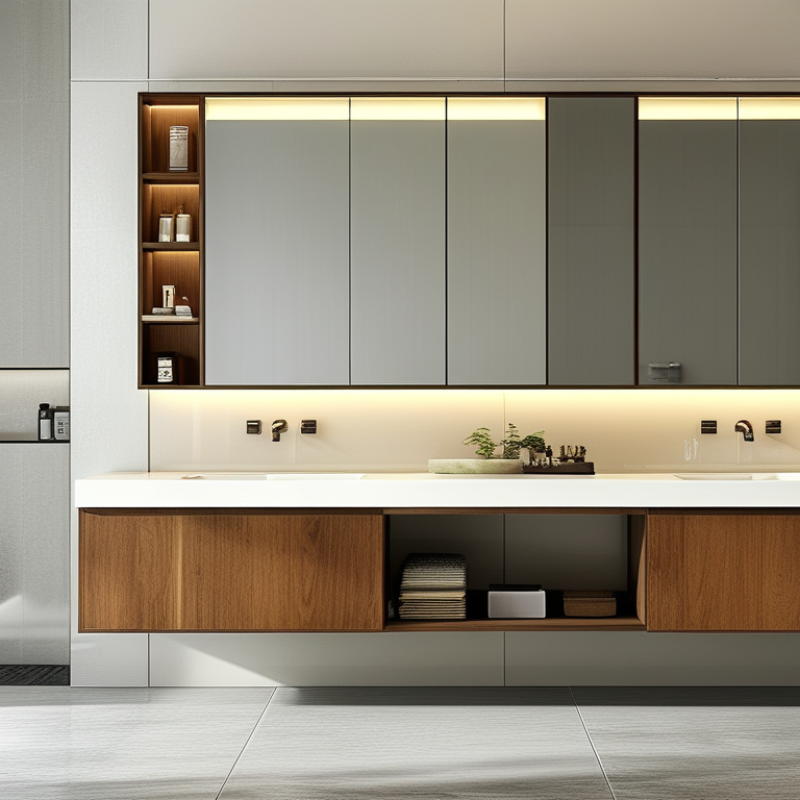
Measure your bathroom before choosing a cabinet. Record wall width, ceiling height, and the distance above the sink. Leave enough space for the mirror doors to open fully. A narrow room may need a shallow cabinet, even if extra storage looks attractive online.
Define what the cabinet must hold. Count daily items, such as toothbrushes, skincare bottles, medicines, and spare towels. Group them by size before shopping. Small shelves suit cosmetics, while taller compartments fit pump bottles. I once underestimated bottle height and lost useful shelf space. That mistake still influences how I plan bathroom storage.
Study your bathroom layout carefully. Check nearby lights, switches, vents, taps, and shower screens. The cabinet should not block light or force awkward movement. Mark its proposed outline on the wall with removable tape. Stand in front of it. Does the door swing feel natural? This simple test can reveal problems that measurements miss.
Choose moisture-resistant materials and secure mounting hardware for humid conditions. A professional installer can confirm wall strength, plumbing risks, and safe clearance. Adjustable shelves are helpful when storage needs change, though they may reduce rigidity slightly. Soft-close hinges can also prevent daily slamming, but they are not a substitute for careful installation. Keep frequently used items at eye level, and place occasional supplies higher. A tidy cabinet begins with an honest layout plan.
Tip 1: Measure the wall before choosing a cabinet. Record the width, height, and available depth. Leave space around lights, taps, and door trim. A cabinet that looks compact online may feel oversized above a narrow basin. I once measured only the wall width and overlooked the light switch. That small mistake affected the opening angle.
Tip 2: Match the cabinet shape to the room. Rectangular designs suit long walls and provide useful shelf space. Rounded edges can soften a small bathroom and reduce sharp corners. Choose a mirror that reflects useful light, not a cluttered towel rack. Measure the door swing too. A beautiful cabinet becomes frustrating when it blocks another fixture.
Tip 3: Select the mounting style according to your wall and daily routine. Recessed cabinets need a suitable wall cavity and professional inspection. Surface-mounted models are simpler, but they extend farther into the room. Check the wall structure, not just the paint. Use appropriate fixings for the wall material and cabinet weight. This is easy to underestimate. Adjustable shelves, secure hinges, and moisture-resistant materials also improve long-term reliability. When uncertain, ask a qualified installer to verify the fixing points.
When comparing mirrored bathroom wall cabinets, inspect the mirror before admiring its storage design. Stand at an angle and watch your reflection move across the surface. A clear image should remain steady, without waves, dark patches, or visible distortion. Check the edges for smooth finishing and a secure backing. Safety-backed glass can reduce hazards if the mirror breaks. Do not rely on showroom lighting. Bright lights can hide small ripples.
Cabinet materials must tolerate steam, splashes, and daily cleaning. Aluminum and stainless steel resist moisture well, while quality engineered panels need sealed edges. Run a fingertip along corners and joints; swollen edges signal poor moisture protection. Look inside, too. Shelves should sit level and support toiletries without flexing. Avoid assuming heavier means better. Poorly balanced weight can strain wall fixings. Request clear material specifications before purchasing.
Construction quality appears in details you may not notice online. Open each door several times and listen for grinding, knocking, or uneven movement. Hinges should feel controlled, and the door should close without forcing. Check whether the back has solid mounting points rather than thin material alone. Adjustable shelves, concealed fasteners, and replaceable hardware can improve long-term serviceability. Still, no cabinet is perfect. Measure the wall, plumbing clearance, and user height twice. A beautiful cabinet can feel awkward when installed too high.
| No. | Buying Tip | What to Compare | Practical Benchmark | Why It Matters |
|---|---|---|---|---|
| 1 | Check mirror thickness | Mirror glass thickness and rigidity | Prefer approximately 4–6 mm mirror glass for a stable, low-distortion surface. | Thicker glass is generally less prone to flexing and visual distortion during daily use. |
| 2 | Inspect mirror clarity | Reflection sharpness, waviness, tint, and edge quality | View your reflection from different angles and check for ripples, gray patches, or colored edges. | A uniform reflection is important for grooming, makeup application, and accurate lighting. |
| 3 | Look for a moisture-resistant backing | Protective coating behind the mirror | Choose a mirror with a sealed, corrosion-resistant backing and protected edges. | Bathrooms contain frequent humidity, which can damage unprotected mirror backing and cause edge corrosion. |
| 4 | Compare cabinet materials | Solid wood, plywood, moisture-resistant MDF, or particleboard | Prioritize sealed plywood, treated solid wood, or moisture-resistant engineered board with finished edges. | Sealed and moisture-resistant materials are less likely to swell, warp, or delaminate. |
| 5 | Evaluate cabinet construction | Joints, back panel, shelf supports, and interior finish | Look for square corners, tight joints, a rigid back panel, and shelves supported at multiple points. | Strong construction helps the cabinet remain aligned when loaded with toiletries and exposed to humidity. |
| 6 | Test the door hardware | Hinge type, adjustability, soft-close action, and opening angle | Choose adjustable hinges with smooth movement and a soft-close feature when available. | Reliable hinges reduce door sag, impact noise, and alignment problems over time. |
| 7 | Measure storage capacity | External dimensions, usable depth, shelf spacing, and shelf adjustability | Confirm that the interior depth and clearances fit your tallest bottles and everyday items. | Nominal cabinet dimensions can overstate usable storage if the door, back panel, or hinges take up space. |
| 8 | Check mounting strength | Mounting rail, fixing points, fasteners, and wall type | Use suitable anchors or fix directly into wall studs; follow the stated load rating. | A loaded mirrored cabinet is heavy, so correct fixing is essential for safe, level installation. |
| 9 | Consider lighting and electrical features | Light color, switch type, cable access, and electrical certification | For illuminated models, verify the color-temperature specification, IP rating, and compliance requirements for your region. | Bathroom electrical products must be suitable for damp environments and installed according to local regulations. |
| 10 | Review safety and maintenance details | Safety film, rounded edges, cleaning instructions, warranty, and replacement parts | Prefer safety-backed glass, smooth edges, clear care instructions, and accessible hardware replacements. | These details help reduce injury risk, simplify cleaning, and extend the cabinet's service life. |
Note: Always verify the product's installation instructions, maximum load, electrical certification, and local bathroom safety requirements before purchase and installation.
10 Tips for Buying Mirrored Bathroom Wall Cabinets
Check the lighting before admiring the mirror. A bright, even front light reduces shadows around your face. Choose adjustable color temperature if mornings and evenings feel different. Anti-fog heating helps after a hot shower, but confirm its power requirements first. Test the switch location. A beautiful cabinet becomes frustrating when wet fingers cannot reach it safely.
Review practical features carefully. Measure shelf height for bottles, brushes, and taller containers. Soft-close hinges reduce noise and protect the mirror’s edges. Internal sockets can charge an electric toothbrush, but they need suitable bathroom protection. Check the door swing against nearby walls, taps, and shower screens. I once chose a cabinet with excellent storage, yet its door blocked the towel rail. That mistake was avoidable.
Safety and installation deserve more attention than appearance. Confirm the cabinet’s weight, wall type, and fixing points before purchase. Solid masonry and stud walls require different anchors. Never rely on plasterboard alone without suitable support. Electrical connections should follow local regulations and use a qualified professional when required. Check the cabinet’s moisture rating for its intended bathroom location. Measure twice. Still, recheck the plumbing behind the wall. Leave clearance for cables, pipes, and ventilation. Installation instructions can seem obvious, but skipping one step may leave the cabinet uneven, loose, or difficult to service.
Practical buying checklist grouped by the number of key points to verify before purchase and installation.
Lighting and installation require the most checks because they affect visibility, electrical safety, wall support, door clearance, and everyday usability. Confirm measurements, bathroom-zone requirements, moisture resistance, storage features, and safe mounting details before buying.
Price is only the opening number. Compare the cabinet, mirror thickness, hinges, lighting, and installation hardware as one package. A cheap unit can become expensive when a poor seal swells the base. Ask for a written quote. Confirm delivery, installation, taxes, and replacement-part costs before paying.
Warranty details deserve careful reading. A five-year warranty sounds reassuring, but coverage may exclude mirror damage, moisture, wiring, or incorrect installation. Choose a seller that clearly explains claims, response times, and available parts. Keep your receipt and installation photos. Small records can prevent large arguments later.
Maintenance affects long-term value more than many buyers expect. Wipe condensation with a soft microfiber cloth, and use a mild cleaner around the frame. Avoid abrasive pads near the mirror edges. Check hinges and seals every few months. Good ventilation matters. I once focused too heavily on the lowest quote and ignored awkward door clearance. That mistake reduced daily convenience. Measure the wall, sink position, and opening direction twice. Also consider energy use, storage capacity, and whether replacement hinges remain available. A cabinet that still looks solid after years is often the better bargain.
Record wall width, ceiling height, cabinet depth, and sink clearance. Leave enough room for the doors to open fully. Mark the outline with removable tape. Then stand beside the sink. The space may feel smaller than expected.
Count toothbrushes, skincare bottles, towels, and daily toiletries. Group them by size. Small shelves suit cosmetics, while taller spaces fit pump bottles. I once underestimated bottle height. That mistake wasted useful shelf space.
Rectangular cabinets suit long walls and offer practical shelf space. Rounded edges may work better in compact bathrooms. Check what the mirror reflects. A towel rack is not always a pleasant view.
Recessed cabinets save wall space but require a suitable wall cavity. Surface-mounted cabinets are easier to install, but they extend farther into the room. Check plumbing and wall structure carefully. Paint alone proves nothing.
View the mirror from several angles. Your reflection should remain clear and steady. Watch for waves, dark patches, and strange distortion. Inspect the edges and backing. Bright showroom lights can hide flaws.
Moisture-resistant materials are essential. Aluminum and stainless steel handle humidity well. Engineered panels need sealed edges. Run a finger along the corners. Swollen edges suggest weak moisture protection.
Open the doors several times. Listen for grinding, knocking, or uneven movement. Hinges should move smoothly and close without force. Check for solid mounting points at the back. Heavy does not always mean stronger.
Keep frequently used items near eye level. Store occasional supplies higher. Avoid blocking lights, switches, vents, taps, or shower screens. Ask a qualified installer to check wall strength and safe clearances. My measurements were once incomplete. Double-checking remains worthwhile.
Choosing Mirrored Bathroom Wall Cabinets starts with understanding your storage needs, daily routines, and available wall space. Measure the bathroom carefully and consider whether a single, double, recessed, or surface-mounted cabinet will fit the layout without blocking doors, lighting, or movement. Select a size and shape that provides useful capacity while maintaining a balanced appearance. Pay attention to mirror clarity, moisture-resistant materials, sturdy hinges, reliable shelves, and overall cabinet construction, since bathroom humidity can affect performance over time.
Before buying, review practical features such as integrated lighting, adjustable storage, soft-close doors, safety glass, and electrical requirements where applicable. Confirm that the wall can support the cabinet and that installation access is suitable for your space. Finally, compare prices based on construction quality and included features rather than cost alone. A clear warranty, simple cleaning routine, replaceable components, and durable materials can improve long-term value and help ensure the cabinet remains attractive, safe, and functional.
