
Top 10 Types of Lab Tables for Every Laboratory

Time:2026-11-14 Author:Madeline
0%

A laboratory table is more than a surface. It can steady a microscope, carry a heavy centrifuge, or keep a balance away from footsteps and vibration. The wrong choice creates small, persistent problems: crowded knees, tangled cables, or a chemical splash that reaches an unsuitable worktop. Grand View Research’s 2024 report estimated the global laboratory furniture market at USD 5.1 billion in 2023, reflecting sustained investment in research and testing spaces. That figure covers furniture broadly, not tables alone. Market growth, by itself, does not tell a lab which table to buy.

Architect Louis Sullivan’s design maxim, “form ever follows function,” offers a useful lens for Lab Tables, though it is not a laboratory-furniture specification. A practical selection starts with the work: fixed-height benches for routine tasks, adjustable tables for varied users, mobile units for flexible rooms, and anti-vibration models for sensitive instruments. Material matters, too. A stainless-steel surface may suit frequent cleaning; a chemical-resistant top may better handle specific reagents. Always check the manufacturer’s compatibility guidance.

There are trade-offs. A heavy-duty table can be stable but difficult to rearrange. A mobile table saves space, yet its casters may introduce movement where precision matters. This guide explores ten common Lab Tables, their strengths, and the details worth checking before purchase. No single design fits every room. The right choice depends on instruments, workflows, cleaning routines, and the people who use the bench each day.
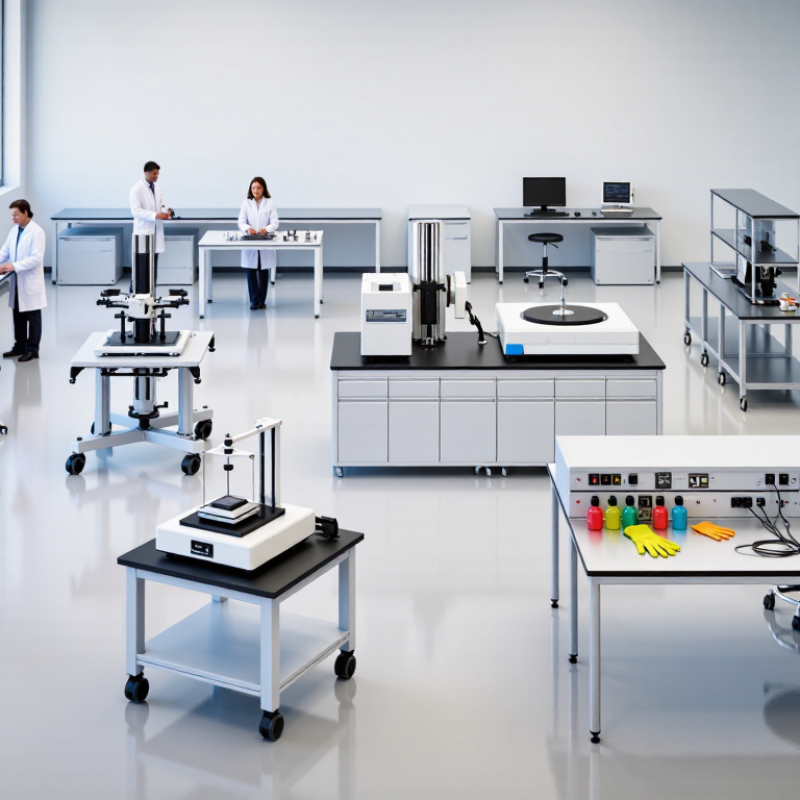
Top 10 Types of Lab Tables for Every Laboratory

What Laboratory Tables Are and How They Support Scientific Work

A laboratory table is a stable work surface for equipment, samples, and hands-on procedures. Its design can shape how safely and comfortably people work. A balance needs a level, vibration-resistant surface; a wet-work area may need a finish that tolerates routine spills and cleaning. Small details matter. The table’s height, edge shape, and available storage can affect posture and access during long tasks.

Different laboratories use tables built for different demands. A teaching lab may need open space for groups, while an instrument room may require a sturdy frame and carefully managed cables. Before choosing one, staff can check the expected load, cleaning routine, room layout, and nearby services. Materials should suit the work, not just look durable.

A surface that handles moisture may not be appropriate for every chemical or heat exposure, so consult its technical specifications. In practice, the “right” table is sometimes a compromise: a useful shelf can reduce legroom, and a rigid top may be harder to reposition. Those trade-offs deserve review as workflows change. A quick trial with the actual equipment can reveal awkward reach distances that a floor plan misses.

Materials, Construction, and Key Design Features

Laboratory tables differ in more than shape. Their materials determine how they handle spills, heat, vibration, and routine cleaning. Stainless steel suits wet areas because it resists corrosion and has smooth, cleanable surfaces. Epoxy-resin tops tolerate many chemicals and heat, while phenolic-resin surfaces offer a lighter option for general work. Compatibility still depends on the specific chemical. A surface described as “chemical-resistant” is not invulnerable.

Construction matters just as much. Welded steel frames provide rigidity for heavy instruments, while adjustable feet help level tables on uneven floors. Mobile tables add flexibility, but their casters need reliable locks. Anti-vibration designs can protect sensitive balances; even a nearby door slam may affect readings. The National Research Council’s 2011 Prudent Practices in the Laboratory emphasizes selecting surfaces with chemical compatibility and cleanability in mind. For accessible work areas, the U.S. Access Board’s 2010 ADA Standards specify a work-surface height of 28–34 inches. Small details matter. Drawer placement, rounded edges, and clear knee space can shape daily comfort. I would verify actual chemical exposure and equipment loads before choosing a top; catalog descriptions rarely capture every real-world use.

Ten Common Types of Laboratory Tables and Their Uses

Laboratory tables differ by task, load, and cleaning needs. A fixed bench suits routine preparation, while mobile tables help teams reconfigure shared rooms. Island tables provide access from several sides; wall benches conserve space in narrow labs. Height-adjustable tables support seated and standing work. Small details matter: castors need reliable locks, and adjustable frames should not wobble under load.

Anti-vibration tables help stabilize balances and microscopes. Chemical-resistant tables suit work involving frequent spills, but no surface resists every reagent. Sink tables support washing, while balance tables need a firm, level base. Instrument tables should match equipment weight and cable access.

The CDC and NIH’s Biosafety in Microbiological and Biomedical Laboratories, sixth edition, calls for laboratory work surfaces to be impervious to water and resistant to moderate heat and chemicals. That is useful guidance, not a substitute for checking a specific material’s compatibility.

The U.S. Department of Energy’s Better Buildings guidance notes that laboratories can use five to ten times more energy per square foot than office buildings.

Efficient room layouts can reduce wasted space, though the best table choice still depends on actual workflows. A common mistake: buying for today’s equipment alone.

How to Select a Table for Different Laboratory Needs

Selecting a laboratory table starts with the work, not the catalog. For wet chemistry, choose a chemical-resistant top and a sink placed close to the main task; for balances, prioritize a rigid, vibration-damping surface away from doors and centrifuges. Electronics work may need grounding and cable access, while cleanroom tasks call for smooth, easy-to-clean surfaces and minimal joints. Measure equipment footprints, aisle clearances, and seated or standing working heights before ordering.

Small details matter.

Ergonomics deserves equal attention.

The U.S. Bureau of Labor Statistics reported 2.6 million nonfatal workplace injuries and illnesses in private industry in 2023, at a rate of 2.4 cases per 100 full-time workers. That figure covers many industries, not laboratories alone, but it reinforces the value of reducing awkward reaches and repeated lifting.

Match table height to the task and users; add drawers only when they do not force workers to twist or reach beneath the work surface.

Fit matters. A sturdy table can still be a poor choice if service lines block legroom or the frame cannot support a heavy instrument. I have seen specifications overlook future equipment changes, so leave some capacity for loads and utilities that may grow.

Check the manufacturer’s load rating and material compatibility against the actual chemicals and instruments used.

Installation, Safety, and Routine Care for Laboratory Tables

Laboratory table safety begins before the first instrument is placed. Check the floor for levelness, confirm the table’s load rating, and secure heavy units as specified by the manufacturer. Keep power cords and service lines clear of walkways. A table that looks steady may still shift when a centrifuge runs. That detail is easy to overlook.

The U.S. Bureau of Labor Statistics reported 2.6 million nonfatal workplace injuries and illnesses in private industry in 2023. This broad figure is not specific to laboratories, but it underlines why routine hazard checks matter. Match worktop materials to the chemicals and heat used in each area. Inspect joints, casters, and edge seals for looseness, cracks, or corrosion.

Tips: Wipe spills promptly using your facility’s approved procedure. Keep a simple inspection log. Small shifts matter.

For routine care, use cleaning agents compatible with the tabletop, and avoid abrasive pads that can damage protective coatings. Recheck leveling after moving tables or changing equipment loads. Look beneath the surface, too: dampness around plumbing connections can go unnoticed. These checks cannot prevent every incident, and a checklist can become a habit rather than a real inspection. Pause when something feels unstable, then document and address it before work resumes.

FAQS

Which tabletop material suits wet laboratory areas?

Stainless steel resists corrosion and has smooth surfaces that are easy to clean. Check its compatibility with the chemicals used.

How do epoxy-resin and phenolic-resin surfaces differ?

Epoxy resin tolerates many chemicals and heat. Phenolic resin is lighter and suits general work. Neither is universally resistant.

What should I consider when choosing a laboratory table?

Compare chemical exposure, equipment weight, and expected vibration. Catalog descriptions may not reflect every real-world use.

How can I improve table stability?

Choose a rigid frame for heavy instruments, level adjustable feet, and lock casters on mobile tables. Recheck stability during operation.

Why does vibration matter for laboratory tables?

Sensitive balances may give affected readings when equipment runs or a nearby door slams. Small shifts matter.

What should I check before using a table?

Check floor level, load rating, and securement of heavy units. Keep cords and service lines clear of walkways. Look underneath, too.

How should I clean and maintain a laboratory table?

Use compatible cleaning agents and avoid abrasive pads. Wipe spills according to facility procedures, then inspect joints, casters, and edge seals.

What details can support accessible, comfortable work?

A work-surface height of 28–34 inches may support accessible work areas. Clear knee space, rounded edges, and well-placed drawers also help.

Is an inspection checklist enough to keep a table safe?

It helps track checks, but it can become a habit instead of a real inspection. Pause if the table feels unstable, document the issue, and address it before work resumes.

Conclusion

Lab Tables are essential work surfaces that support accurate, organized, and efficient scientific work. Their design can vary according to the tasks performed, the equipment they hold, and the conditions of the laboratory. Common construction features include sturdy frames, durable worktops, stable supports, and surfaces suited to different levels of heat, moisture, or chemical exposure. From general-purpose benches to specialized tables for instrument use, weighing, or wet work, each type serves a distinct practical need.

Choosing the right table involves considering available space, load capacity, work processes, storage needs, and compatibility with laboratory equipment. A suitable selection can improve workflow while helping maintain a safe, orderly environment. Careful installation is important to ensure stability and proper placement, and routine inspection and cleaning help preserve the table’s condition. With the right combination of materials, design, and upkeep, Lab Tables can provide dependable support for a wide range of laboratory activities.

Madeline

Madeline

Madeline is a dedicated marketing professional with a wealth of expertise in our company's core offerings. With a keen understanding of the industry, she brings a unique perspective to her role, consistently delivering high-quality content that highlights the superior aspects of our products. As......