
An Over The Toilet Medicine Cabinet is a wall-mounted storage unit positioned above a toilet. It combines everyday organization with valuable bathroom space. Instead of leaving bottles beside the sink, homeowners can store them behind a mirrored or framed door. The cabinet may include adjustable shelves, interior lighting, electrical outlets, or a shallow profile for narrow rooms.
Interior designer Kerrie Kelly, FASID, has emphasized a practical design principle: “The best rooms have a balance of form and function.” That idea explains why an Over The Toilet Medicine Cabinet deserves more attention than its small footprint suggests. It can hold toothpaste, skincare products, first-aid supplies, and spare toiletries. A well-planned model keeps these items visible, reachable, and less exposed to moisture.
Small details matter. A cabinet with rust-resistant hardware suits humid bathrooms better. Soft-close hinges reduce noise during early mornings. Adjustable shelves can fit a tall cleanser beside a short medicine bottle. However, this storage solution is not automatically perfect. Poor installation may damage tile or create an awkward reach above the toilet. Children also require thoughtful storage choices, especially when cabinets contain unsuitable products.
The best choice depends on wall structure, user height, bathroom ventilation, and daily habits. Measure carefully. Check clearance. Then compare materials, capacity, mirror quality, and installation requirements. This guide explains what an Over The Toilet Medicine Cabinet is, how it works, and which features deserve closer consideration before purchase.
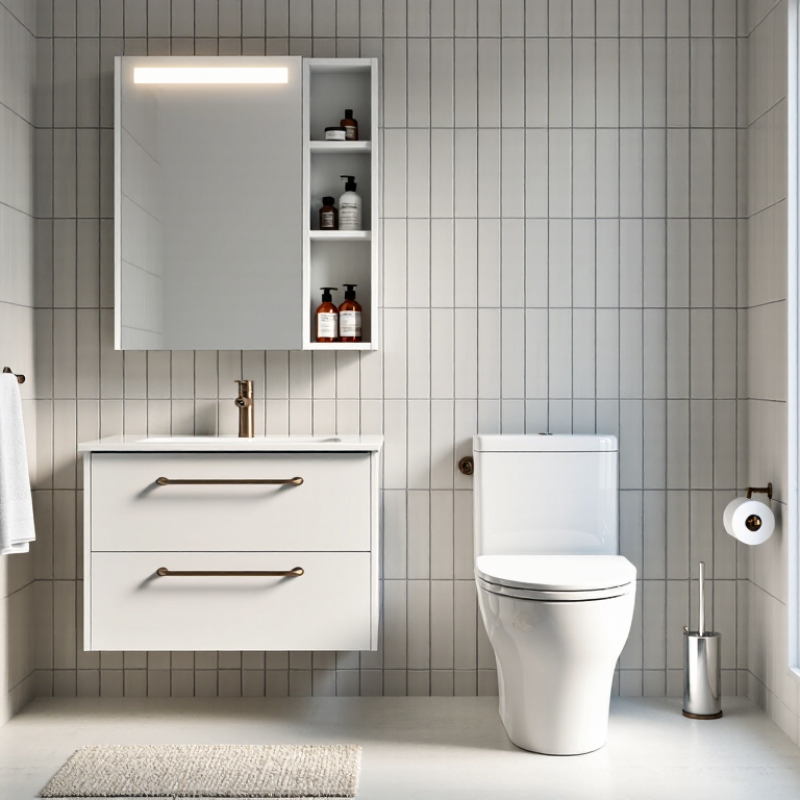
An over-the-toilet medicine cabinet is a wall-mounted storage unit designed to use the space above a toilet. It usually includes shelves, a mirrored door, or both. Its main function is simple: keep medicines, toiletries, and small bathroom items organized and accessible. This vertical design can help smaller bathrooms feel less crowded. It also keeps everyday items at a comfortable eye level.
In practical use, the cabinet can hold bandages, skincare products, toothpaste, and sealed personal-care supplies. However, it should not become a damp storage box. Bathroom steam may affect certain medicines, labels, and metal hardware. Check storage instructions carefully, especially for temperature-sensitive products. A secure latch is helpful when children or visitors can reach the cabinet. The wall must also support the cabinet’s weight, so proper anchors matter. It looks simple. Installation is not always simple.
Tips: Measure the toilet tank and ceiling before choosing a cabinet. Leave enough space for the lid to open comfortably. Store medicines in their original containers, away from direct steam. Wipe shelves regularly and inspect hinges for looseness. A qualified installer can check wall construction and mounting points. I once assumed any empty wall space was suitable, but pipes and uneven surfaces can create problems. A little planning prevents an awkward, unsafe fit.
An over-the-toilet medicine cabinet combines storage with an often-unused wall area. Its construction affects clearance, installation effort, and daily comfort. Recessed cabinets sit inside the wall cavity, so their doors remain nearly flush with the wall. They create a cleaner appearance, but the cavity must be deep enough. Check for studs, pipes, and wiring before cutting. A shallow cavity may require a surface-mount model instead.
Surface-mount cabinets attach directly to the wall and usually install faster. They work well in bathrooms with limited wall depth or crowded plumbing. However, they extend outward, so measure the toilet lid and walking space carefully. Mirrored models may use a mirror on the door, inside panel, or both. A mirrored interior helps with grooming, though it adds weight and needs strong hinges. Electrical models can include built-in lighting, outlets, or defogging features. Their wiring should be handled by a qualified electrician, especially near water. Choose components rated for damp bathroom conditions. Small details matter. I have seen doors collide with light fixtures after a rushed measurement. That mistake is avoidable, but measurements can still be imperfect. Leave room for door swing, ventilation, and future maintenance. A cabinet should hold bottles securely without forcing the user to bend awkwardly over the toilet. Insufficient shelf adjustment is another common disappointment. Adjustable, moisture-resistant shelves usually provide more practical storage than fixed glass panels.
What Is an Over the Toilet Medicine Cabinet?
An over-the-toilet medicine cabinet is a wall-mounted storage unit installed above the toilet tank. It keeps toiletries accessible while using vertical wall space. Its size depends on wall width, tank height, ceiling height, and door swing. Measure the toilet tank lid first. A cabinet that looks slim can still feel intrusive in a narrow bathroom.
Dimensions and Clearance: Applying NKBA’s 21-Inch Front-Clearance Guideline
The National Kitchen and Bath Association recommends about 21 inches of clear floor space in front of bathroom fixtures. For an over-the-toilet cabinet, this clearance helps users stand, sit, and move comfortably. Measure from the cabinet or toilet’s forward-most point to the opposite wall, vanity, or fixture. The 21-inch guideline is useful, not magical. A deep cabinet, open door, or crowded vanity may reduce practical space. Check the cabinet bottom against the tank lid, then confirm the door does not strike a mirror or wall. A neat drawing can still fail in the room.
Tips: Use painter’s tape to mark the cabinet’s width and depth. Stand beside the toilet and open the door. Does your shoulder touch it? If yes, adjust the layout. Leave enough height for cleaning and everyday reach. Store medicines securely, especially in homes with children. Local building rules may vary, so verify measurements with a qualified installer.
An over-the-toilet medicine cabinet uses vertical bathroom space above the toilet. Its position can save floor area, but height matters more than appearance. The 2010 ADA Standards, Section 308, specify a forward reach range from 15 to 48 inches above the finished floor. This range supports many wheelchair users and people with limited mobility. Measure from the bathroom floor, not the toilet seat or tank. Small errors matter.
Place frequently used items, such as daily medicines and first-aid supplies, between 15 and 48 inches. Keep handles, shelves, and latches within that zone. A cabinet may technically meet the measurement while remaining difficult to open beside a wall or grab bar. The U.S. Access Board identifies reach range as a core accessibility consideration, not merely a storage preference. The standard is not magic.
The CDC reports that about one in four U.S. adults has a disability. AARP’s 2021 Home and Community Preferences Survey also found that 77% of adults want to remain in their current homes. These findings make adaptable bathroom storage increasingly practical. Still, accessible placement should not ignore child safety or medication control. A lockable compartment may help, but it can also require fine finger movement. That assumption deserves review. Test the cabinet while seated, standing, and reaching sideways. The best location may be slightly different for every household.
What Is an Over the Toilet Medicine Cabinet?
An over-the-toilet medicine cabinet stores toiletries above the tank or wall line. Its position saves floor space, but bathroom moisture creates special installation risks. The U.S. Environmental Protection Agency recommends indoor relative humidity between 30% and 50% to reduce condensation and mold growth. Bathrooms can exceed that range after a hot shower.
Moisture resistance starts with sealed edges, corrosion-resistant fasteners, and a moisture-stable cabinet board. Look for protected hinges and a mirror backing designed for humid rooms. However, “water-resistant” does not mean waterproof. A cabinet exposed to dripping pipes may still swell or loosen. That detail is easy to overlook. Keep the cabinet away from direct spray, and use an exhaust fan that vents outdoors.
Load limits require equal attention. The published capacity should include shelves, bottles, and the cabinet itself. Secure heavy units into studs or approved wall anchors, not drywall alone. When the cabinet includes lighting, outlets, or other electrical parts, UL 962, Household and Commercial Furnishings, offers relevant construction and electrical safety guidance. It does not replace local electrical requirements or prove safe installation in every bathroom. Check the product’s actual listing and installation instructions. A practical weakness remains: many homeowners estimate weight by appearance. That is unreliable. A filled glass shelf can become surprisingly heavy, especially when one anchor carries most of the load.
It is a wall-mounted cabinet above the toilet tank. It uses vertical space for toiletries and medical supplies. A narrow room may still feel crowded.
Aim for about 21 inches of clear floor space. Measure from the cabinet’s front edge to the opposite wall or fixture. The guideline helps, but it is not magic.
Measure the tank lid, wall width, ceiling height, and cabinet depth. Check the distance from the tank lid to the cabinet bottom. A slim cabinet can still interfere with movement.
Use painter’s tape to mark its width and depth. Stand beside the toilet and open the door. Does your shoulder touch it? Adjust the layout if needed.
Keep common items between 15 and 48 inches above the finished floor. Measure from the bathroom floor, not the tank or toilet seat. Small errors matter.
No. A handle may fit the reach range but remain difficult beside a wall or grab bar. Test the cabinet while seated, standing, and reaching sideways.
Place daily supplies within an easy reach zone. Consider a lockable compartment when children are present. A lock may require precise finger movement. That trade-off deserves review.
Not always. Users differ in height, mobility, reach, and preferred hand. The best position may look slightly imperfect. Test it in real use before drilling.
An Over The Toilet Medicine Cabinet is a practical storage solution designed to use the wall space above a toilet. It can organize medicines, toiletries, first-aid supplies, and everyday bathroom essentials while helping reduce countertop clutter. Common styles include recessed cabinets installed inside the wall, surface-mount models attached directly to the wall, mirrored cabinets that combine storage with grooming functionality, and electrical models that may include features such as lighting or built-in outlets. Construction materials should be durable, moisture-resistant, and suitable for the humid bathroom environment.
Planning the cabinet’s size and position is essential for comfort and safety. The NKBA’s 21-inch front-clearance guideline can help maintain usable space in front of the cabinet and toilet area. For accessible placement, the ADA’s 15-to-48-inch reach-range standard provides a helpful reference for mounting frequently used items within comfortable reach. Installation should also consider wall support, cabinet load limits, secure fastening, moisture protection, and applicable UL 962 guidance for electrical household furnishings.
