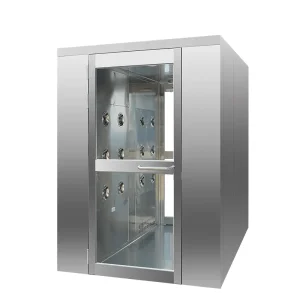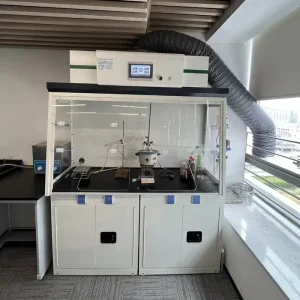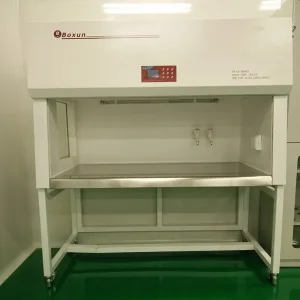
Explore our certified cleanroom furniture, safety storage units, and air filtration systems manufactured to strict international quality standards.

Established in 2004, Nantong Jinzonian Experimental Equipment Co., Ltd. is a premier high-tech enterprise dedicated to the research, development, production, and global supply of high-grade experimental equipment and critical safety machinery.
Headquartered in Nantong City, Jiangsu Province, our modern 10,000 square meter factory is fully equipped with advanced manufacturing infrastructure. We supply a diverse product range including laboratory furniture, safety containment systems, cleanroom components, and emergency station systems. Our solutions serve vital industries worldwide, including pharmaceuticals, petrochemicals, academic research, bioengineering, and industrial manufacturing plants.
Explore Full CapabilitiesIndustrial workplace safety regulations are tightening globally. Organizations such as OSHA (Occupational Safety and Health Administration) in the US, along with equivalent bodies in Europe and APAC, mandate immediate access to decontamination equipment wherever corrosive, toxic, or hazardous chemicals are handled. Among these, the portable eye wash station stands out as a critical defense mechanism.
Unlike plumbed systems, portable eye wash stations are self-contained fluid-delivery devices designed for rapid deployment in areas lacking a reliable clean water source. They enable continuous gravity-fed or pressurized flushing, supplying a steady stream of tepid water or physiological saline to a victim's eyes immediately following chemical contact.
Fixed plumbed stations require extensive piping networks, architectural modifications, and a constant potable water supply. This makes them impractical or cost-prohibitive in several critical industrial environments:
Finding a reliable portable eye wash station factory in China requires careful verification of engineering tolerances, material purity, and regulatory compliance. Low-cost alternatives often suffer from valve failures, chemical leaching from plastics, or inconsistent flow rates. A premium manufacturer like Nantong Jinzonian prevents these issues through systematic engineering practices:
Engineered containment, storage, and clean air environments designed to protect laboratory personnel and maintain specimen purity.
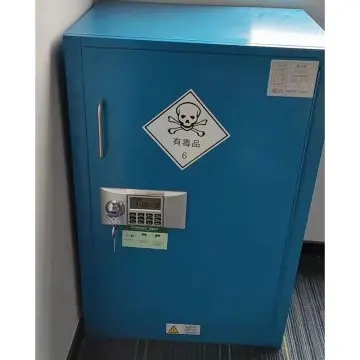
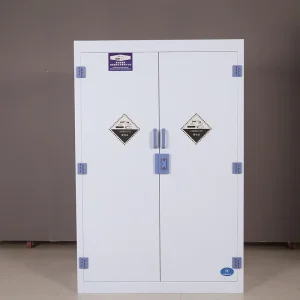
Product name: 45-gallon flammable liquid fire safety cabinet. Product model: AYT045Y. Material: High...
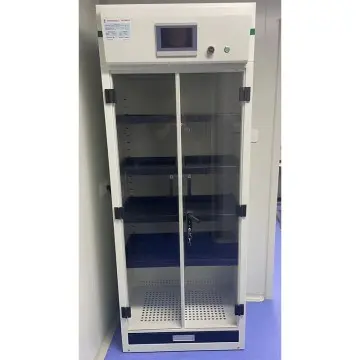
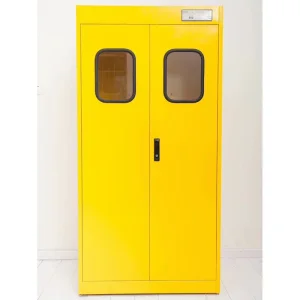
Product name: Gas purified medicine cabinet. Product model: JQXYPG. Size: 800*510*2080mm...
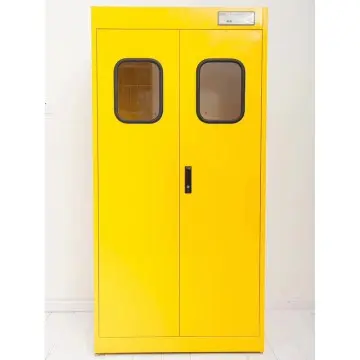
Color: white yellow; Specifications: 900*450*1900; Purpose: Used to improve local exhaust ventilation...
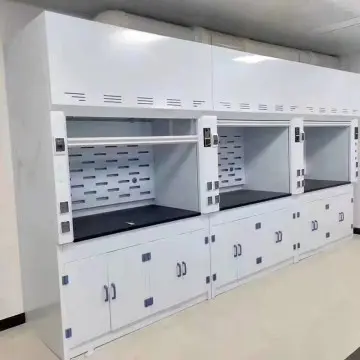
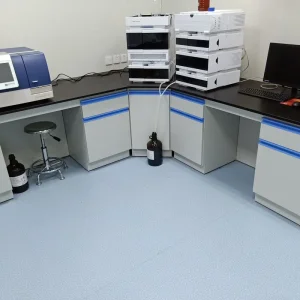
Color: white, blue, off-white. Specifications: 1500*850*2350mm. Material: All steel, stainless steel...
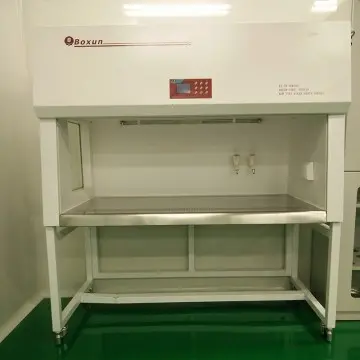
Product model: SW-CJ-1FD; Clean workbench: This equipment is widely used in biopharmaceutical, chemical...
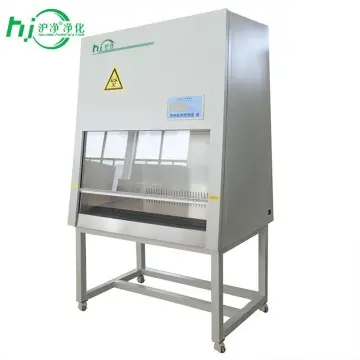
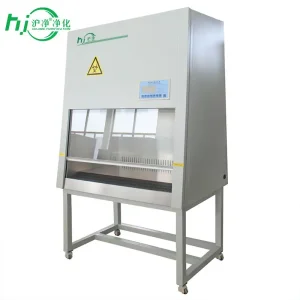
Product name: Biological safety cabinet. Product model: BSC-1000IIA2. Product standards: Comply with...
When engineering critical protective equipment, compliance with international standards is not negotiable. Specifically, the global reference standard is ANSI/ISEA Z358.1-2014, alongside the European standard EN 15154. Below is the technical matrix of a standard Jinzonian portable eye wash unit vs. industry compliance requirements:
| Design Feature | ANSI/ISEA Z358.1-2014 Requirement | Jinzonian Factory Specification | Safety Significance |
|---|---|---|---|
| Continuous Flow Time | Minimum 15 minutes | 16 - 18 minutes (based on model) | Allows thorough dilution and wash off of chemicals. |
| Flow Rate Volume | 0.4 GPM (1.5 Liters/min) | 0.45 GPM (1.7 Liters/min) | Consistent flow without causing eye damage. |
| Operational Volume | Capacity to maintain flow criteria | 35L (9 Gallon) / 60L (16 Gallon) tank | Ensures target volume is discharged at continuous pressure. |
| Water Temperature | Tepid (60°F - 100°F / 16°C - 38°C) | Thermal insulation jacket compatible | Prevents chemical absorption and thermal shock. |
| Actuation Method | One-step activation in <1 second | High-visibility pull-strap or push-bar | Ensures ease of use for visually impaired victims. |
Standard municipal water streams can be harsh. Our portable eyewash tanks utilize custom-engineered spray heads that mix air into the fluid streams. This creates a gentle, bubbling wash that thoroughly covers the eyes without causing further ocular trauma.
Under emergency conditions, stress impairs cognitive function and vision. For this reason, eyewash stations are molded in high-visibility safety green or safety yellow, compliant with international color code requirements. Reflective tape and graphic instruction plaques are placed on the front panel so they remain visible under low-light or smoke-filled conditions.
To maximize deployment options, our factory produces both wall-mounted bracket assemblies and heavy-duty, corrosion-resistant mobile carts. This allows the system to function as a temporary safety checkpoint that moves along with production line expansions.
Why industrial distributors and lab builders worldwide partner with Nantong Jinzonian.

We partner with top-tier universities to co-develop safety equipment, laboratory ventilation technologies, and environmental control products, securing independent intellectual property and multiple invention patents.

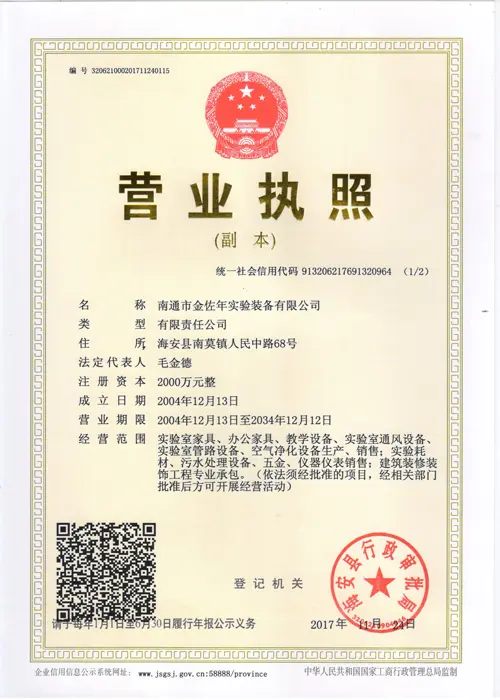
Jinzonian holds comprehensive ISO registrations. We execute multi-tier quality inspection procedures, ensuring consistent craftsmanship and long-term durability across every production batch.

Through our core principles of honesty, transparency, and professional design, we build trust with global safety procurement directors. We offer responsive local support and comprehensive warranty terms.
For safety equipment distributors and industrial brand managers, purchasing direct from a Chinese factory offers excellent return on investment (ROI). However, ensuring consistent quality requires careful verification of capabilities. Below is our blueprint for successful direct sourcing:
A legitimate industrial manufacturer should operate a clean production plant, dedicated molding zones, automated assembly systems, and testing laboratories. Nantong Jinzonian's 10,000 square meter facility features specialized machinery for cleanroom fabrications, air purification testing, and structural safety evaluations.
Ensure the facility holds a valid ISO 9001 registration. Additionally, verify their raw material sheets for toxic residue, food-contact approval (for water tanks), and certifications from bodies like SGS or TÜV Rheinland.
As a seasoned supplier, we provide extensive customization options for our global business partners, including:
Under ANSI Z358.1 requirements, portable emergency eyewashes must be located in specific configurations to maximize user protection:
Our commitment to compliance, intellectual property protection, and high-quality safety engineering.
We have built a strong reputation for reliability over the years, backed by continuous capital investment and quality certifications:
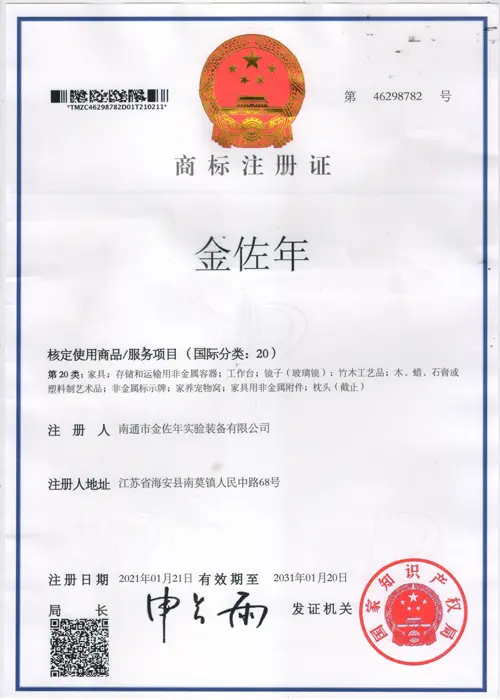
Stay updated with the latest industry news, installation tips, and technical whitepapers from Jinzonian experts.
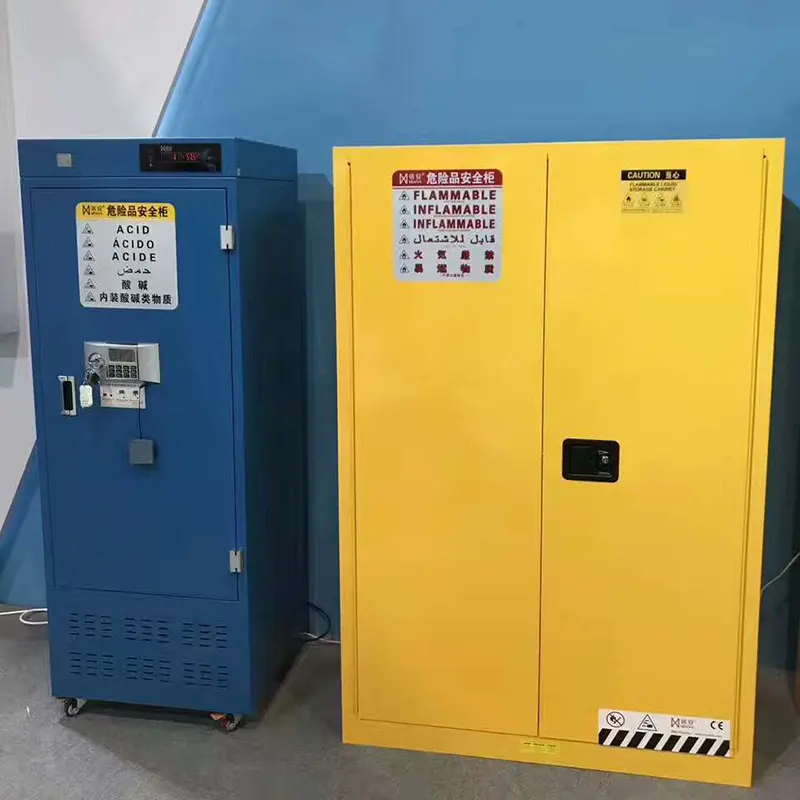
Explore the latest design innovations in containment control systems and how chemical safety cabinets protect workers from hazardous vapors...
Read More →
An update on our facility expansion, new precision testing equipment installations, and automated cleanroom furniture manufacturing lines...
Read More →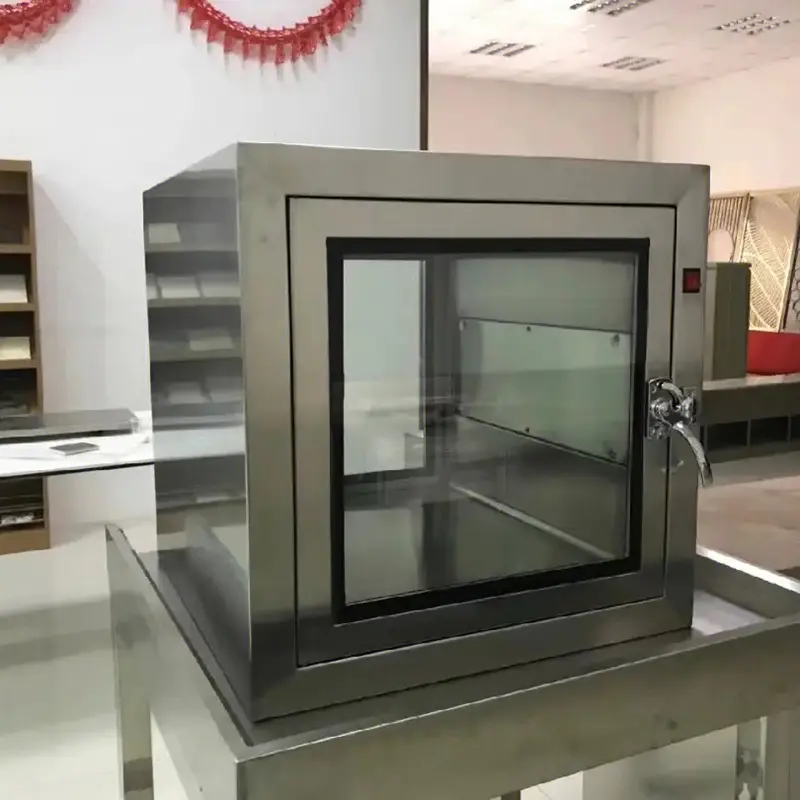
How transfer windows, clean benches, and biological safety cabinets maintain the sterile conditions required in biopharmaceutical research...
Read More →Answers to common regulatory, manufacturing, and operational questions from global safety coordinators.
Explore our full line of clean air systems, transfer chambers, and protective furniture designed for demanding modern industrial labs.