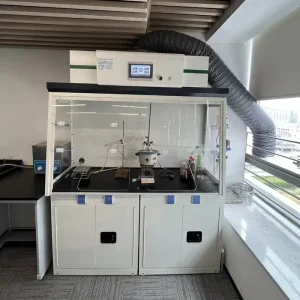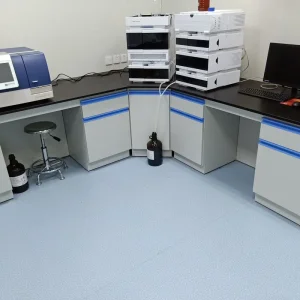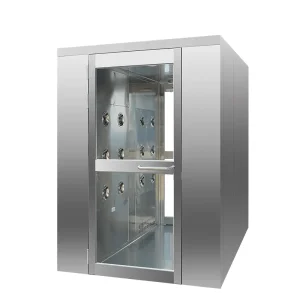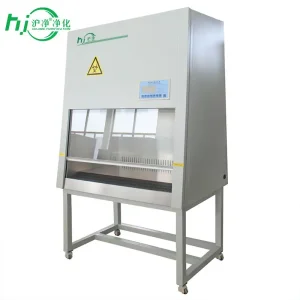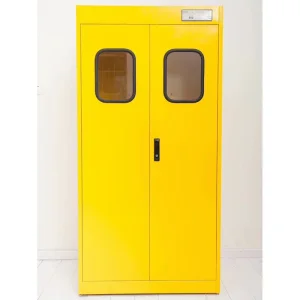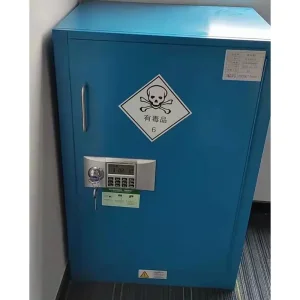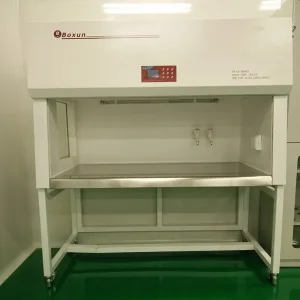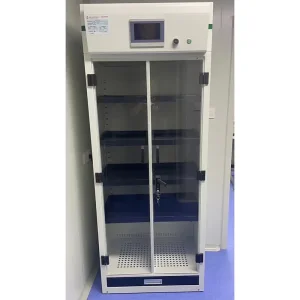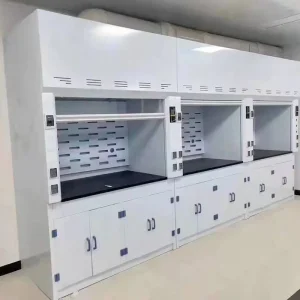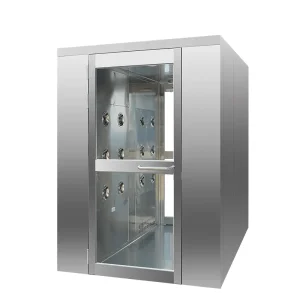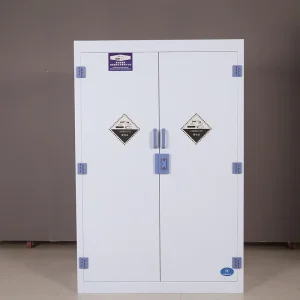
In the rapidly advancing landscape of semiconductor manufacturing, telecommunications, and aerospace engineering, the Anti-Static Workbench has transitioned from simple utility furniture to a critical component of the production ecosystem. As components become smaller and more sensitive to Electrostatic Discharge (ESD), the demand for high-performance ESD-safe workstations has reached an all-time high. This white paper explores the technical nuances, market trends, and procurement strategies for global enterprises looking to buy anti-static workbenches from top-tier factories and suppliers.
The global ESD protection market is projected to witness significant growth, driven by the proliferation of 5G technology, IoT devices, and electric vehicle (EV) electronics. Procurement directors in Europe, North America, and Southeast Asia are increasingly seeking direct-from-factory partnerships to ensure compliance with ANSI/ESD S20.20-2021 and IEC 61340-5-1 standards.
Years Experience
Production Base
High-Tech Enterprise
Nantong Jinzonian Experimental Equipment Co., Ltd. collaborates with top universities to develop independent intellectual property, focusing on advanced dissipative materials.
Our ISO-certified manufacturing process ensures every Anti-Static Workbench meets rigorous global safety standards, from medical to chemical industries.
Established in 2004, we have enhanced our core capabilities to deliver superior lab furniture and ESD solutions to a global clientele.
Strategic procurement requires understanding where the technology is heading. We categorize the development roadmap into three key phases:
The core of any anti-static workbench is the ESD laminate. Current trends favor Volume-Dissipative Laminates over surface-treated ones. Surface treatments can wear off, while volume dissipation ensures the table remains ESD-safe for its entire lifespan, regardless of scratches or wear.
Global procurement teams now prioritize "Human-Centric Design." Adjustable height (Electric Sit-Stand) ESD workbenches reduce worker fatigue and increase throughput by 15-20%. Modular accessories (overhead lighting, bin rails, power strips) allow for rapid reconfiguration of assembly lines.
Integrating AI-driven sensors into the workbench to monitor humidity, temperature, and grounding resistance. If the ground wire is disconnected, the station automatically alerts the operator and logs the incident in a cloud-based ERP system.
We provide full documentation for local compliance, including CE certifications and SGS material test reports, ensuring smooth customs clearance and factory audits.
With a 10,000sqm facility, we maintain a robust inventory of raw materials to buffer against global logistics fluctuations, ensuring 4-6 week lead times.
From cleanroom-certified workbenches (Class 100) to heavy-duty industrial ESD tables (1000kg capacity), we tailor solutions for every vertical.

Founded in 2004, we are a high-tech enterprise specializing in the R&D, production, and sales of experimental equipment. Headquartered in Nantong, Jiangsu, our facility spans 10,000 square meters, equipped with advanced automation for precision manufacturing.
Our products are widely utilized in medicine, chemical industry, bioengineering, and environmental protection sectors worldwide.
[Factory Video Presentation: Advanced ESD Production Line]
According to international standards, an effective ESD surface should have a resistance to ground (Rtg) of 1 x 10^6 to 1 x 10^9 ohms. This ensures the charge is dissipated safely—neither too fast (which could cause a spark) nor too slow.
Factories should perform daily visual checks of grounding wires and quarterly or semi-annual formal testing using a surface resistance meter to ensure the laminate hasn't degraded due to chemical cleaners or physical wear.
Yes. Cleanroom-compatible ESD workbenches use stainless steel or specialized powder coatings that do not off-gas or shed particles, meeting ISO 14644-1 standards while maintaining anti-static properties.
Direct-from-factory procurement offers significant cost savings (30-50%), access to custom engineering (OEM/ODM), and direct communication with the technical team for large-scale facility deployments.
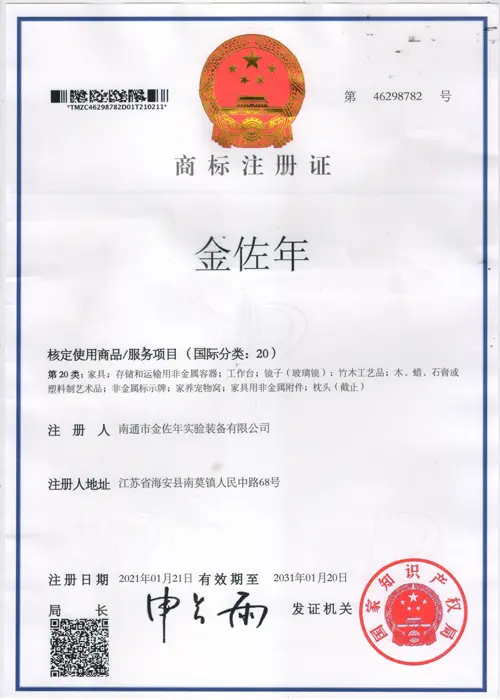
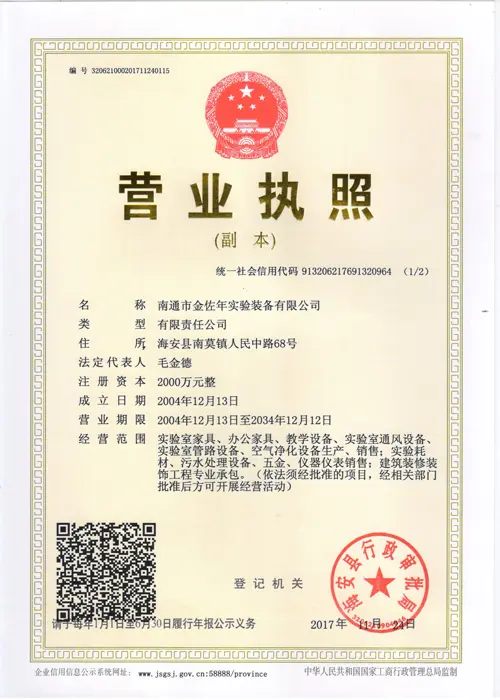
2004: Company Registration | 2021: Global Trademark Registration & Intellectual Property Development