In the modern industrial landscape, the Backward Curved Centrifugal Fan stands as the pinnacle of aerodynamic efficiency. Unlike their forward-curved counterparts, these fans are designed with blades that curve away from the direction of rotation, allowing for higher pressure capabilities and significantly lower noise profiles. For procurement officers and engineers, selecting the right factory isn't just about price—it's about understanding the synergy between airflow physics and structural integrity.
With the implementation of the ERP 2024 directives, global demand has shifted toward fans that offer "Self-Limiting" power characteristics. This means the motor will not overload even if the static pressure drops to zero, a critical safety feature for large-scale industrial deployments.
The transition to "China Industry 4.0" has enabled factories like Nantong Jinzonian to integrate automated balancing and precision laser cutting, ensuring that every centrifugal fan meets stringent vibration thresholds (G2.5 or higher).
From high-tech laboratory fume hoods to massive data center cooling arrays, backward curved fans are favored for their ability to handle clean air and mildly contaminated air streams without excessive maintenance or energy waste.
Established in 2004, Nantong Jinzonian has evolved from a local laboratory furniture manufacturer into a high-tech enterprise at the forefront of experimental equipment R&D. Our facility in Nantong, Jiangsu Province, is equipped with Industry 4.0 standard machinery, allowing us to produce not only high-end laboratory furniture but also the critical air-handling components—like backward curved centrifugal fans—that power modern cleanrooms and safety cabinets.
Our commitment to Experience, Expertise, Authoritativeness, and Trustworthiness (E-E-A-T) is reflected in our multiple invention patents and long-term collaborations with top-tier universities. We don't just supply products; we provide engineered solutions for medicine, chemical industry, and bioengineering.

Procuring industrial fans in a post-pandemic economy requires more than just looking at the BOM (Bill of Materials). Professional buyers are now focused on Total Cost of Ownership (TCO) and Information Gain regarding the performance curves. Here is what the current global market dictates:
Modern factories are increasingly integrating EC motors directly into backward curved impellers. This "Plug and Play" approach reduces the footprint and allows for seamless integration into Building Management Systems (BMS). The efficiency gain over traditional AC motors can be as high as 30%, especially in laboratory environments where airflow must be modulated constantly.
Leading factories are moving beyond galvanized steel. We are seeing a surge in the use of high-performance glass-fiber reinforced plastics (GRP) and aluminum alloys. These materials allow for complex 3D blade geometries that are impossible to achieve with traditional metal stamping, leading to a significant reduction in turbulence and broadband noise.
As AI and High-Performance Computing (HPC) demand more cooling, the centrifugal fan market has expanded. Backward curved fans are the preferred choice for CRAC (Computer Room Air Conditioning) units due to their ability to provide high static pressure while maintaining a stable airflow even as filters become clogged with dust.
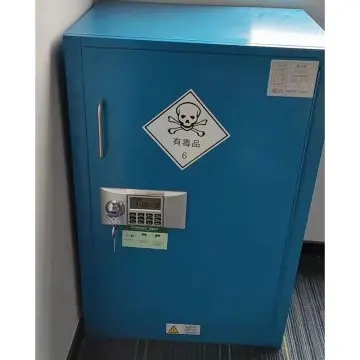
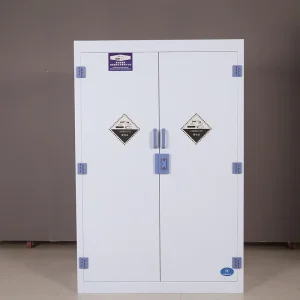
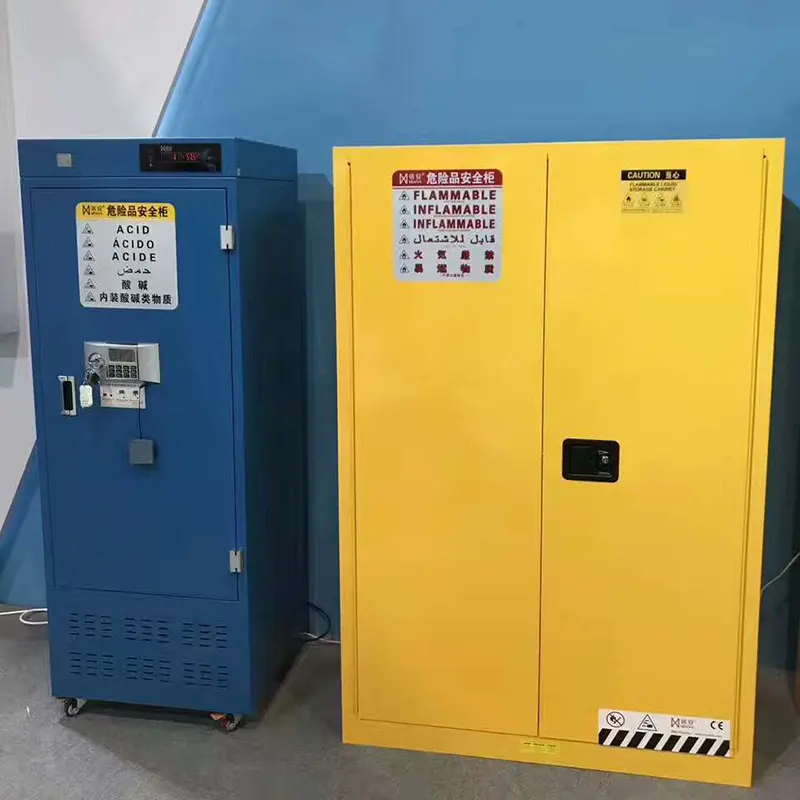
45-gallon flammable liquid fire safety cabinet. Model: AYT045Y. Material: High-strength steel.
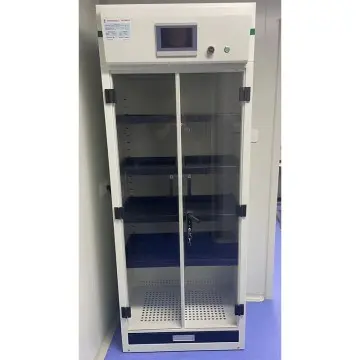
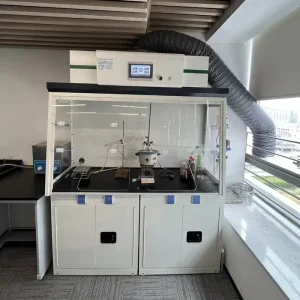
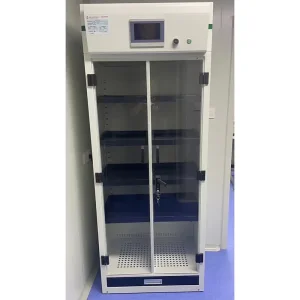
Model: JQXYPG. Size: 800*510*2080mm. Integrated purification technology.
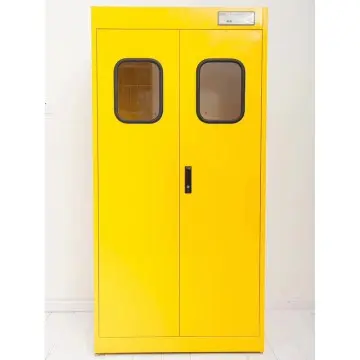
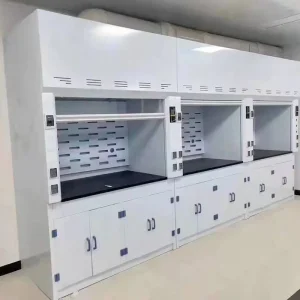
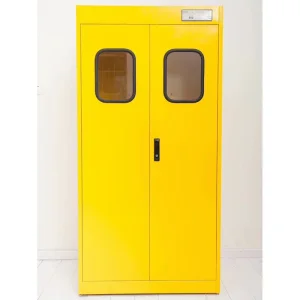
Size: 900*450*1900. Essential for local exhaust ventilation and hazardous gas storage.
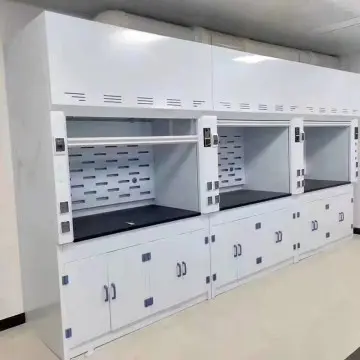
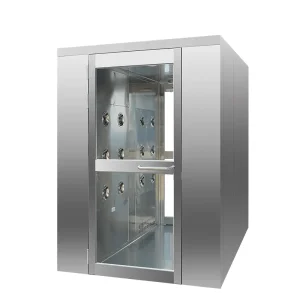
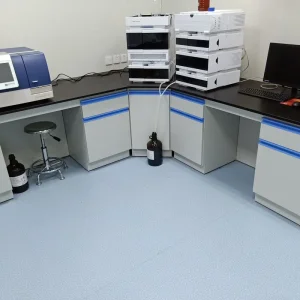
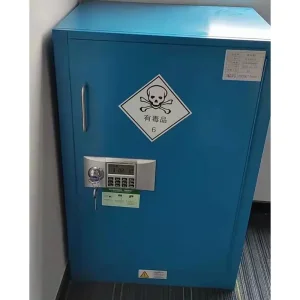
Material: Stainless steel. Customizable specifications for chemical and bio-laboratories.
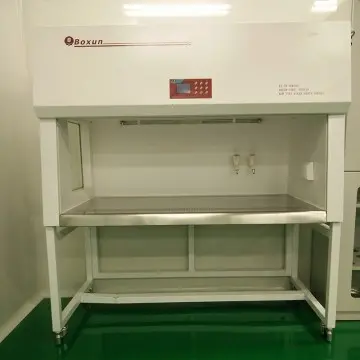
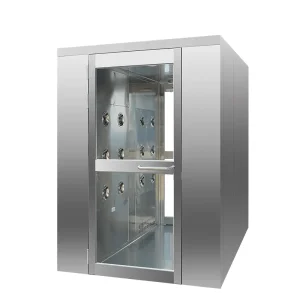
Model: SW-CJ-1FD. Providing ISO Class 5 air quality for pharmaceutical R&D.
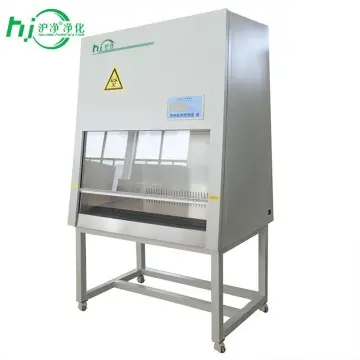
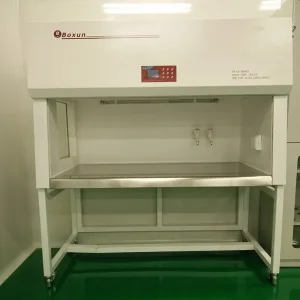
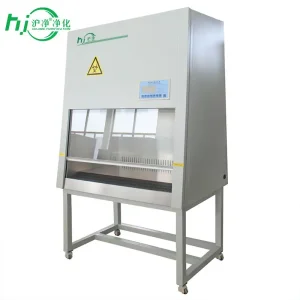
Model: BSC-1000IIA2. Compliance with global safety standards for bio-risk management.
Exploring the latest in fume hoods and safety cabinets for 2026...
Read More
A deep dive into our Nantong facility and technological breakthroughs...
Read More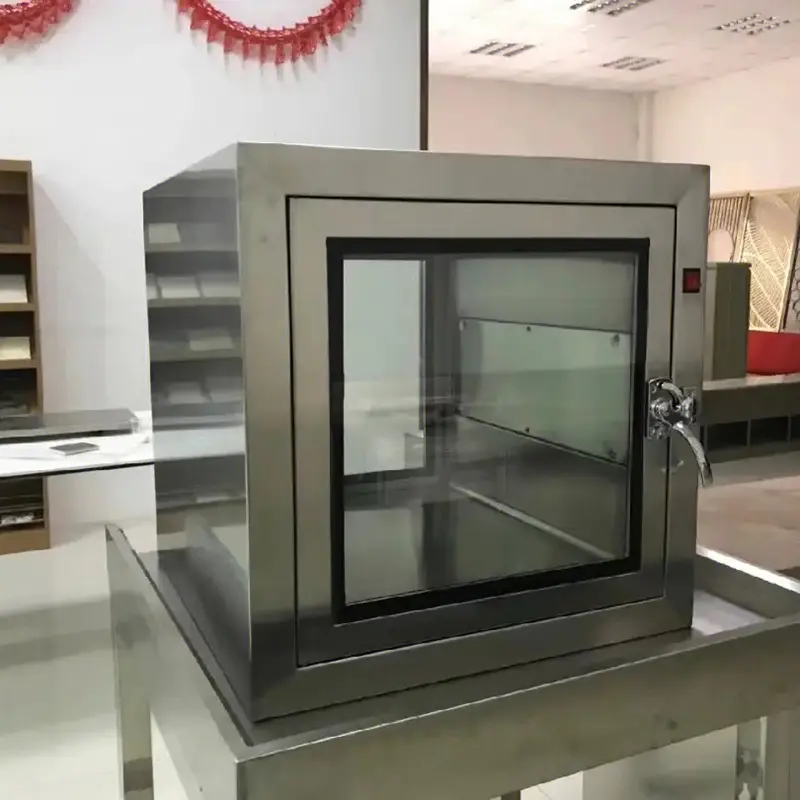
Why transfer windows and clean air systems are the backbone of biotech...
Read More