In the modern era of scientific advancement, the laboratory chair is no longer just a piece of furniture; it is a critical component of the researcher's infrastructure. As biotechnology, pharmaceutical R&D, and semiconductor manufacturing reach new heights, the demand for specialized seating has evolved from simple stools to highly engineered ergonomic systems. Manufacturers and factories today are facing a paradigm shift where EEAT principles (Experience, Expertise, Authoritativeness, and Trustworthiness) are applied not just to digital content, but to physical product engineering.
The global laboratory furniture market is projected to reach several billion dollars by 2030, driven by the surge in "smart labs" and stringent health and safety regulations. We are seeing a move away from generic "one-size-fits-all" seating toward application-specific designs. For instance, a chair used in a Class 100 Cleanroom requires vastly different material properties than one used in a high-corrosion chemical lab. This Information Gain highlights the necessity for buyers to look beyond the price tag and evaluate the Technical Roadmap of their suppliers.
Modern lab chairs integrate gas-lift mechanisms with fine-tuned pneumatic controls, allowing scientists to maintain precision during micro-manipulation tasks without physical fatigue.
Factory-grade laboratory seating now features non-porous, antimicrobial surfaces and seamless upholstery to prevent the accumulation of pathogens or hazardous chemicals.
For electronics and sensitive instrumentation labs, Electrostatic Discharge (ESD) safe chairs are mandatory to protect multi-million dollar equipment from static interference.

Established in 2004, Nantong Jinzonian Experimental Equipment Co., Ltd. is a high-tech enterprise at the forefront of laboratory innovation. Headquartered in Nantong, Jiangsu, our 10,000 square meter modern factory is equipped with advanced production lines dedicated to the research, development, and sale of experimental equipment.
Our commitment to Innovation R&D Collaboration with top-tier universities has allowed us to secure multiple invention patents, ensuring that our products—ranging from laboratory furniture to sophisticated safety cabinets—meet the highest global standards.
The next decade of laboratory seating will focus on "active sitting." Manufacturers are developing chairs that respond to the micro-movements of the user, reducing the risk of musculoskeletal disorders (MSDs) which are prevalent in sedentary lab work. This involves weight-sensitive tilt mechanisms and multi-dimensional armrests.
We are transitioning from standard PU (Polyurethane) to hybrid materials that offer the comfort of fabric with the chemical resistance of hard plastic. These materials are tested against over 50 common lab reagents, including concentrated acids and alcohols, ensuring longevity in harsh environments.
Forward-thinking factories are adopting 100% recyclable aluminum bases and recycled polymer shells. The "Right to Repair" movement is also influencing design, with modular components that can be easily replaced, extending the product lifecycle from 5 years to over 15 years.
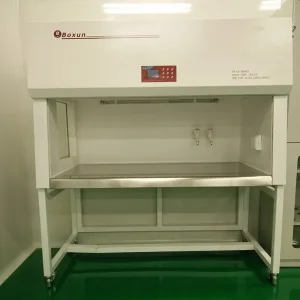
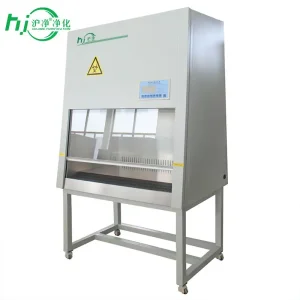
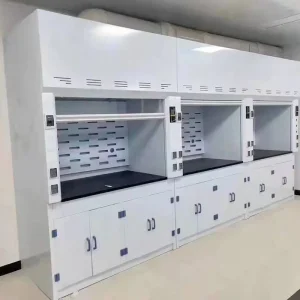
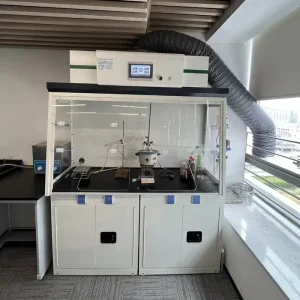
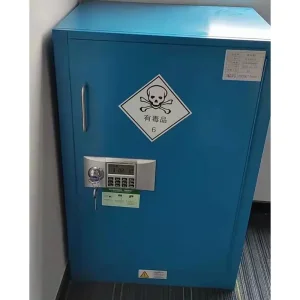
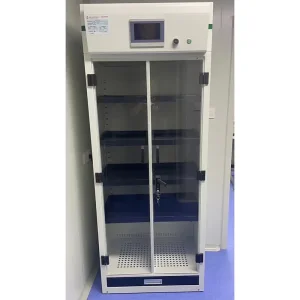
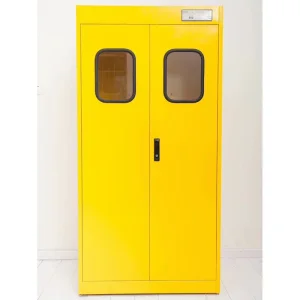
We provide more than just chairs; we offer integrated environmental solutions. By combining ergonomic seating with our Fume Hoods and Biological Safety Cabinets, we create a synchronized workflow that optimizes both safety and productivity.
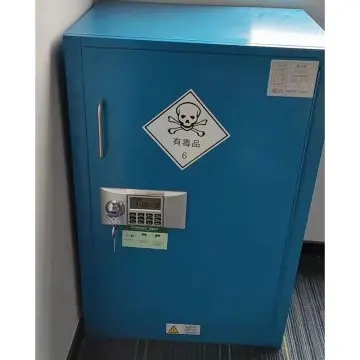
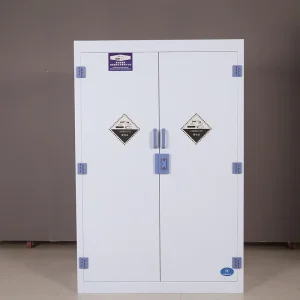
45-gallon flammable liquid fire safety cabinet. High-grade protection.
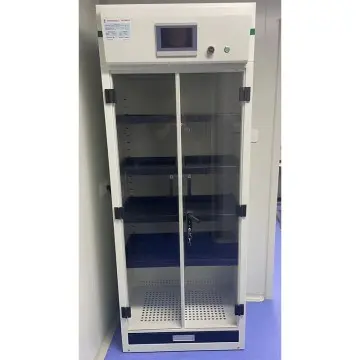
Model: JQXYPG. Advanced air filtration for chemical storage.
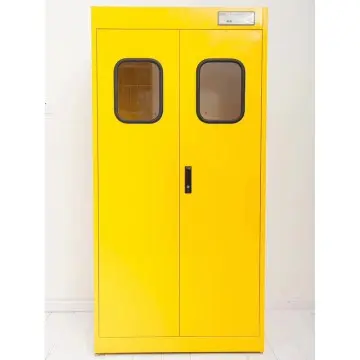
900*450*1900 specifications. Safety-first ventilation.
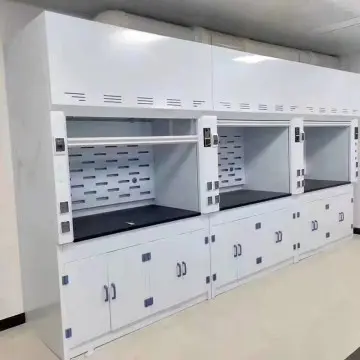
All-steel and stainless steel options for superior exhaust.
Laboratory grade chairs are constructed with materials that resist chemical spills, fulfill fire retardant standards (like CAL 117), and are designed without crevices to prevent the buildup of contaminants. They often include specialized casters for different flooring types.
PU (Polyurethane) is highly durable, puncture-resistant, and can be cleaned with harsh chemicals, making it ideal for heavy industrial use. Vinyl is softer and more comfortable for long hours but may be more susceptible to tears in high-activity areas.
Yes, our ESD laboratory chairs are tested to meet ANSI/ESD S20.20 standards, ensuring a continuous path to ground to protect sensitive electronic components.
Absolutely. For cleanroom environments, we provide seating that is ISO Class 3 to Class 8 compatible, featuring enclosed gas cylinders and non-outgassing materials.