In the modern industrial era, the demand for Emergency Eye Wash Stations has transcended mere regulatory compliance. According to the International Labour Organization (ILO), work-related accidents cost the global economy nearly 4% of its annual GDP. Within chemical-intensive industries—ranging from pharmaceutical R&D to semiconductor manufacturing—the first 15 seconds after exposure to a hazardous substance are critical. This "Golden Window" of decontamination defines the necessity for high-performance safety infrastructure.
Global standards, particularly ANSI/ISEA Z358.1-2014 in the United States and EN 15154 in Europe, have set rigorous benchmarks for flow rates (minimum 1.5 liters/minute), water temperature (tepid: 16-38°C), and hands-free operation. As a premier emergency eye wash station supplier, we recognize that our products are not just laboratory furniture; they are life-saving medical devices integrated into the workspace architecture.
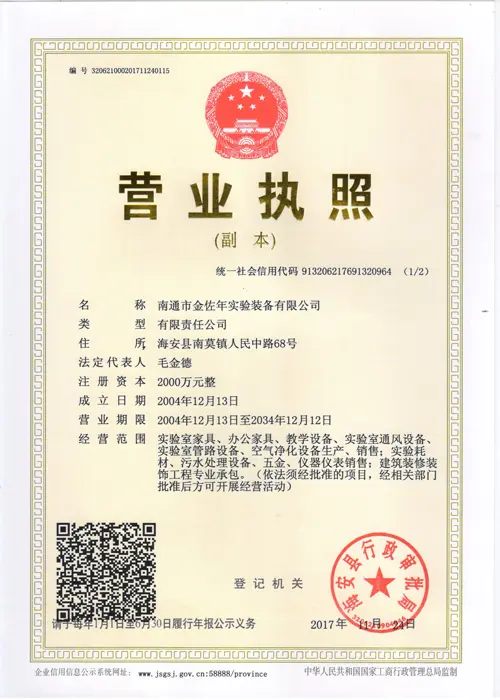
Based in Nantong, Jiangsu, Nantong Jinzonian Experimental Equipment Co., Ltd. leverages China's unparalleled industrial supply chain to offer "Efficiency-as-a-Service." Since our establishment in 2004, we have optimized the transition from raw 304/316 stainless steel to finished, powder-coated safety stations through vertical integration.
Innovation, Integrity, and Life-Safety Excellence since 2004.
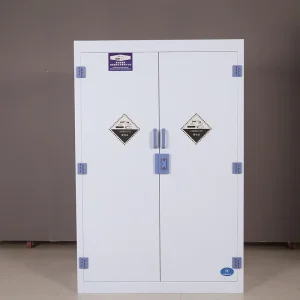
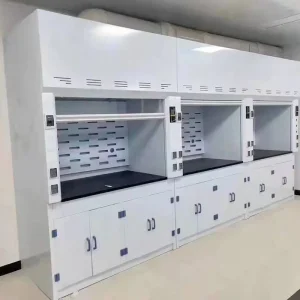
Compact, wall-mounted units designed for tight spaces, often integrated with acid-base storage areas to provide immediate relief during small-scale spills.
Heavy-duty, floor-standing units with integrated drench showers. Features include corrosion-resistant ABS coating to withstand aggressive atmospheres.
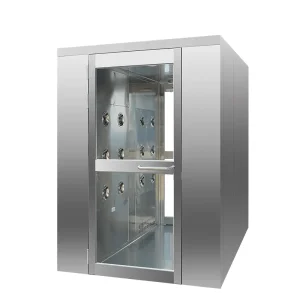
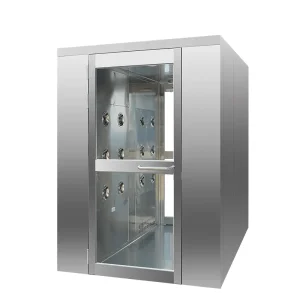
High-purity eyewash stations with advanced filtration to prevent particulate contamination in cleanroom environments.
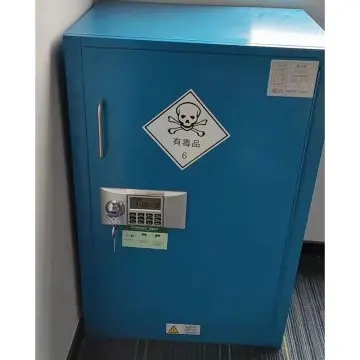
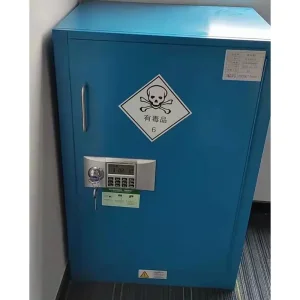
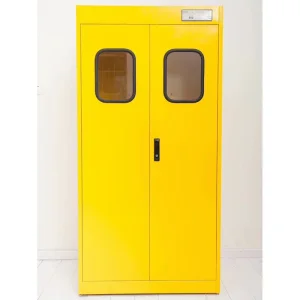
45-gallon flammable liquid fire safety cabinet. Material: High-quality cold-rolled steel.
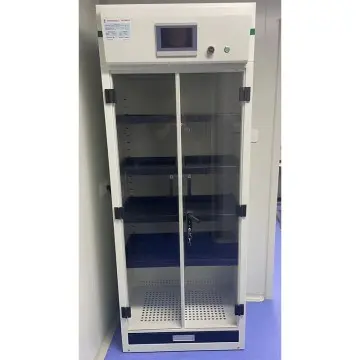
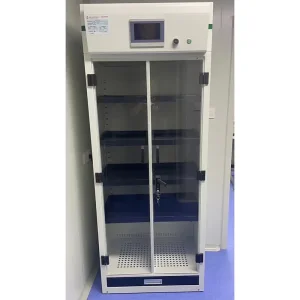
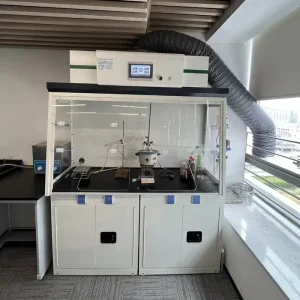
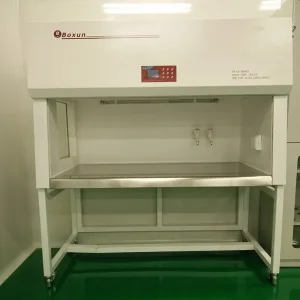
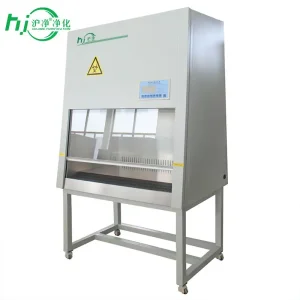
Model: JQXYPG. Features advanced gas purification for laboratory safety.
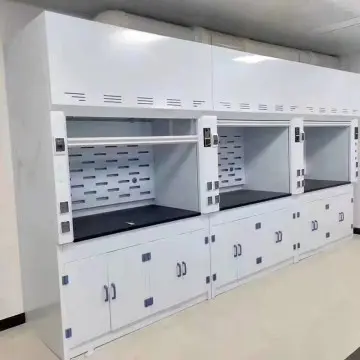
Customizable sizes: 1500*850*2350mm. All-steel or stainless options.
The industry is moving towards "Smart Safety Stations." As an innovative factory, Jinzonian is exploring the integration of IoT sensors that alert safety officers via mobile apps the moment a station is activated. Furthermore, the trend toward Sustainability has led to the development of low-water-consumption nozzles that still meet the high-flow requirements of ANSI standards through air-injection technology.
Nantong Jinzonian Experimental Equipment Co., Ltd. is a high-tech enterprise dedicated to the R&D, production, and sales of laboratory equipment. Headquartered in Nantong, we specialize in high-stakes environments like medicine, chemical engineering, and environmental protection. Our collaboration with top-tier universities ensures that our patents translate into real-world protection for your workforce.
According to ANSI Z358.1, a plumbed eye wash station must deliver a minimum of 0.4 gallons (1.5 liters) per minute for at least 15 minutes. For combination eye/face washes, the requirement increases to 3.0 gpm (11.4 lpm).
Plumbed stations must be activated weekly to flush the line and ensure the fluid is available. An annual comprehensive inspection is required to verify full compliance with flow, spray pattern, and temperature standards.
304 is the industrial standard for most lab furniture. 316 contains molybdenum, which provides superior resistance to chlorides and salt, making it the preferred choice for marine or high-acidity environments.