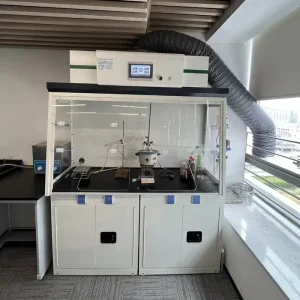

The global Industrial Blower Fans market is currently undergoing a paradigm shift driven by the "Industry 4.0" initiative. As manufacturing hubs in Southeast Asia, North America, and Europe demand higher energy efficiency, the role of centrifugal and axial fans has evolved from simple air movers to data-integrated ventilation nodes. As a leading manufacturer, Jinzonian aligns with global IE4 and IE5 energy standards to reduce carbon footprints in pharmaceutical and chemical plants.

Three core trends define the modern industrial fan sector: Decarbonization, Acoustic Management, and Smart Integration. Factories are no longer just buying "blowers"; they are investing in low-noise, variable-frequency drive (VFD) systems that adapt in real-time to the pressure changes within laboratory fume hoods and clean rooms, ensuring safety while minimizing power consumption.
 Technical Roadmap & Future Outlook (2025-2030)
Our R&D department, in collaboration with top-tier universities, is currently mapping out the transition from mechanical control to AI-driven Predictive Maintenance (PdM). Future industrial blower fans will feature embedded vibration sensors and thermal imaging to predict bearing failure before it occurs, ensuring zero-downtime for critical medical research environments. We are also pioneering the use of composite materials for impeller blades to enhance corrosion resistance in high-acid gas environments.
Nantong Jinzonian Experimental Equipment Co., Ltd. was established in 2004. It is a high-tech enterprise specializing in the research, development, production and sales of experimental equipment. The company is headquartered in Nantong City, Jiangsu Province, covering an area of about 10,000 square meters, with modern production workshops and advanced production equipment.
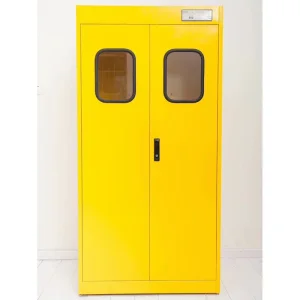
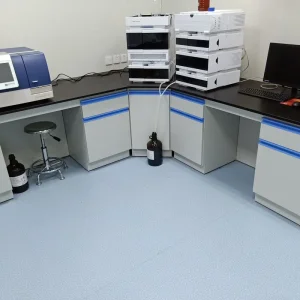
Jinzonian Company mainly produces laboratory equipment, laboratory furniture, laboratory consumables and other products, which are widely used in medicine, chemical industry, bioengineering, environmental protection and other fields.

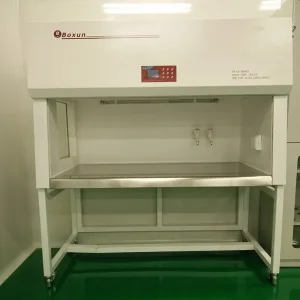
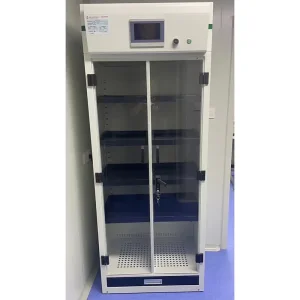
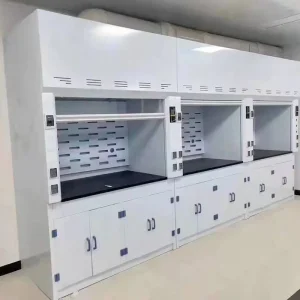
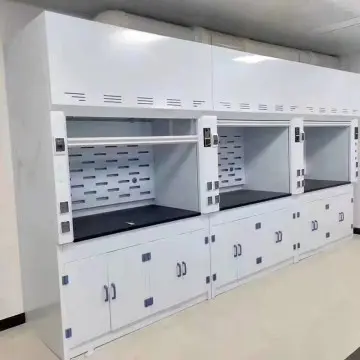
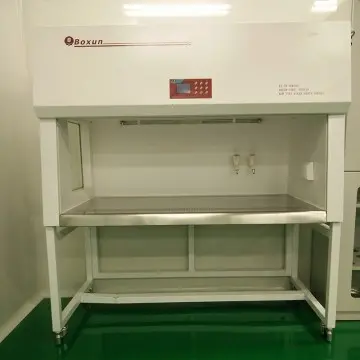
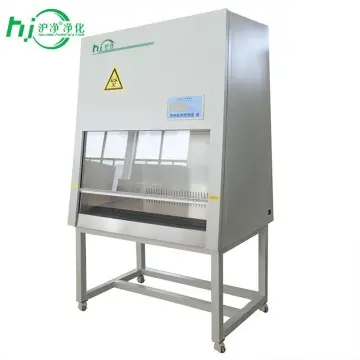
Industrial blower fans are the "heart" of laboratory and factory air management. A high-quality fan doesn't just exhaust air; it stabilizes pressure differentials that keep hazardous fumes inside Fume Hoods and prevent contaminants from entering Clean Workbenches.
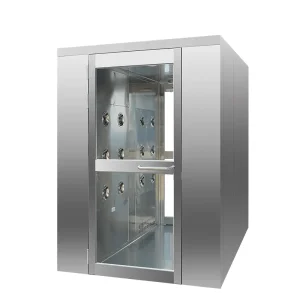
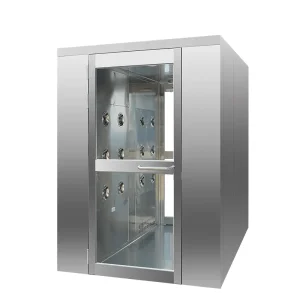
Localized applications in cleanrooms require HEPA-filtered laminar flow systems where blowers must maintain constant velocity despite filter loading.
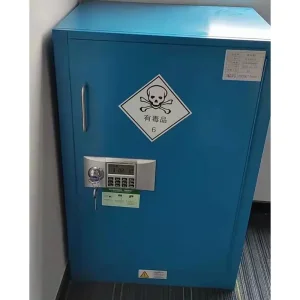
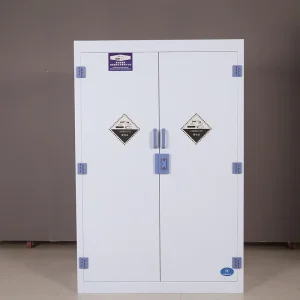
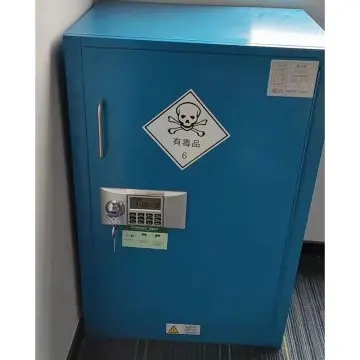
Heavy-duty polypropylene (PP) or stainless steel fans are integrated with Acid-Base Cabinets to handle volatile and corrosive vapors.
Static-free environments demand fans with specialized motor coatings and precision balanced impellers to eliminate micro-vibrations.

Partnerships with top universities to develop independent intellectual property and cutting-edge lab ventilation tech.

ISO certifications ensure that every industrial fan and safety cabinet meets rigorous global benchmarks.

A commitment to core values that enhances our capability to deliver superior products and after-sales support.
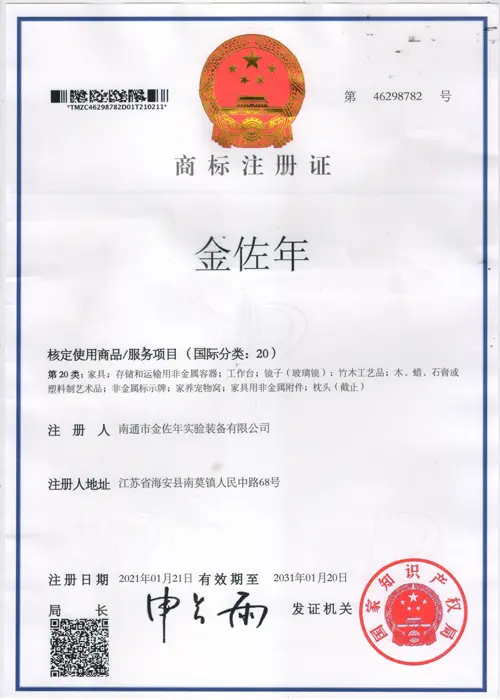
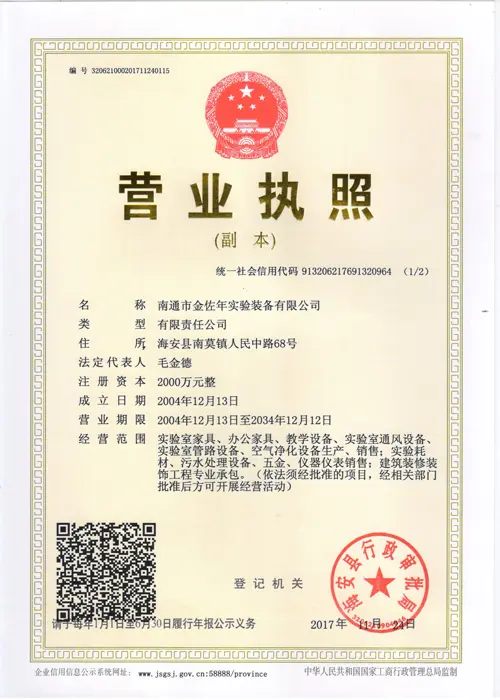
Registered: 2004
Trademark: 2021
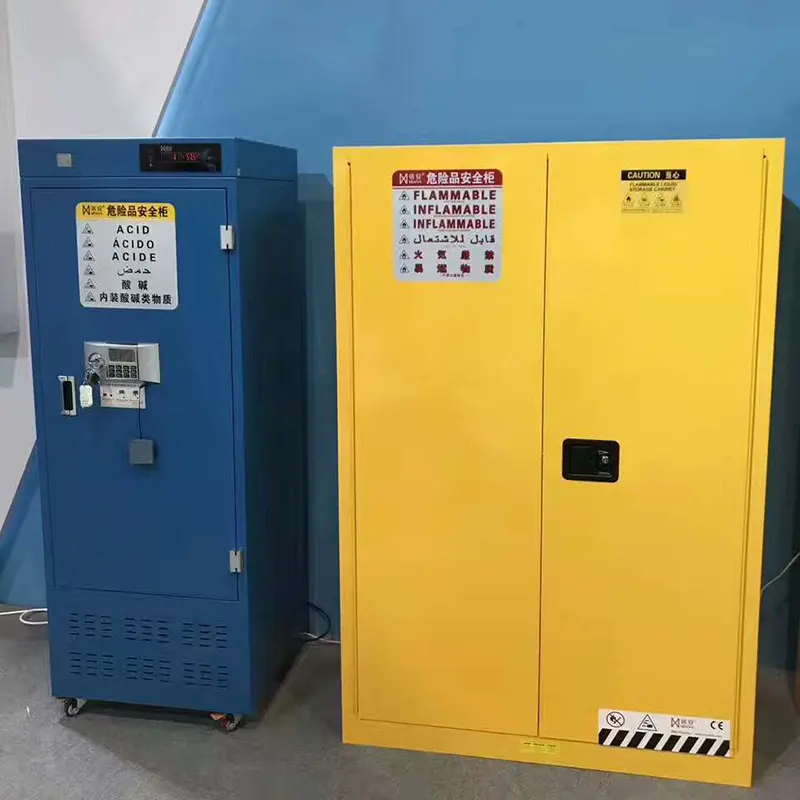
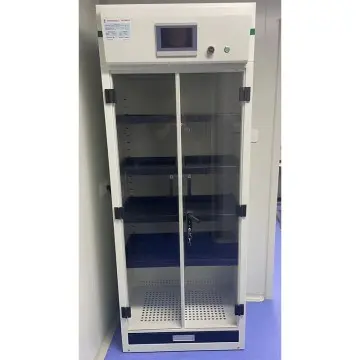
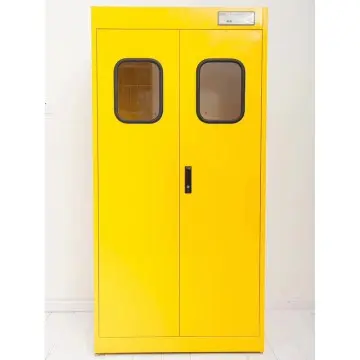
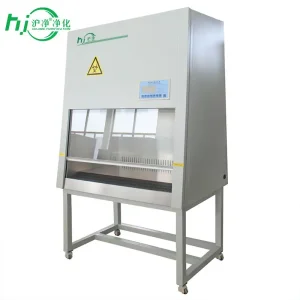
Fume Hoods and Safety Cabinets: Essential Tools for Labs

Expansion of Nantong Jinzongnian Experimental Equipment Factory
The Reliable Foundation for Modern Laboratories
A: Beyond CFM (Cubic Feet per Minute) and Static Pressure, you must evaluate the Airflow Efficiency Grade, the material compatibility with your exhaust gases (e.g., PP vs. Stainless Steel), and the noise output (dB levels). Reputable factories should provide fan curve charts and motor efficiency certifications.
A: Our fans are designed to support VAV (Variable Air Volume) systems. When the fume hood sash is lowered, the fan speed reduces automatically via a frequency converter, maintaining a constant face velocity of 0.5m/s, which is the gold standard for operator safety.
A: Yes. For chemical and pharmaceutical laboratories, we offer fans with anti-corrosive coatings and explosion-proof motors (ATEX/Ex-rated) to ensure durability and safety when handling flammable or acidic vapors.
A: Depending on the customization (size, motor specs, material), standard industrial units take 2-4 weeks. Large-scale laboratory furniture projects involving integrated ventilation systems are scheduled based on the project roadmap.