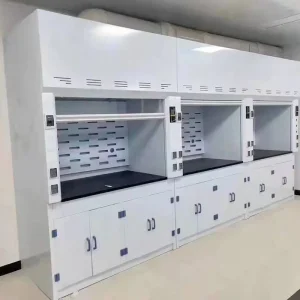
Explore our primary range of heavy-duty safety enclosures engineered to minimize exposure to toxic fumes, hazardous particulates, and bio-chemical threats.
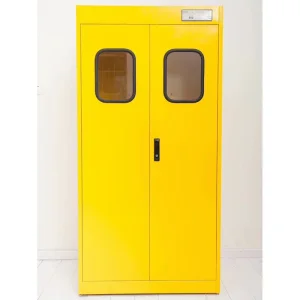
Industrial-grade gas storage enclosures built with automatic alarm links and robust steel structures to ensure safe pressurized gas management.
View Details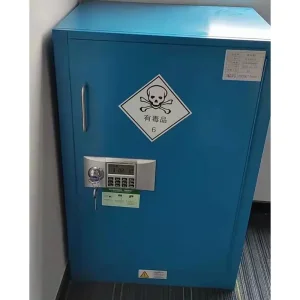
Designed for double-walled compliance, storing combustible reagents, highly flammable fluids, and chemical agents under strict safety guidelines.
View Details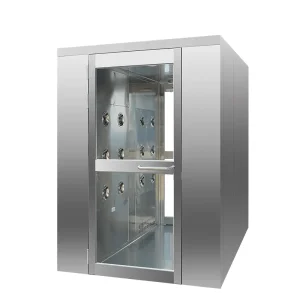
Pass-through chambers featuring electronic interlocking controls and premium grade SUS304 to maintain partition integrity between clean zones.
View Details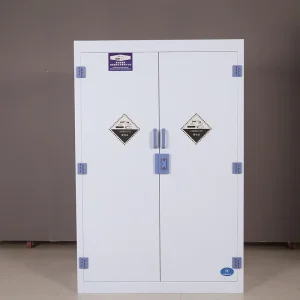
Highly corrosion-proof polymer linings specifically optimized for long-term handling and containment of volatile mineral acids and bases.
View Details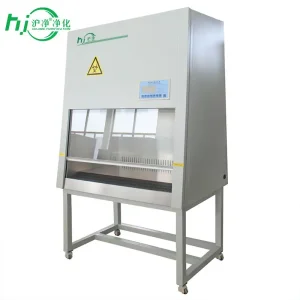
Advanced Class II A2 safety chambers designed with dual HEPA filtration systems to isolate pathogenic samples and protect operators.
View Details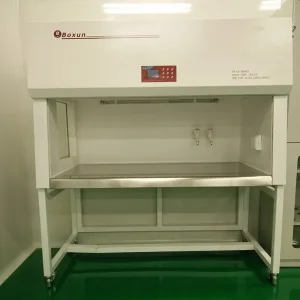
Generates high-purity horizontal or vertical laminar airflow paths to provide sterile localized workspaces for biological culture handling.
View Details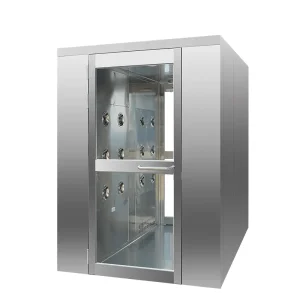
Personnel decontamination tunnels fitted with high-velocity air jet nozzles to sweep away fine dust, ensuring absolute cleanroom entrance hygiene.
View Details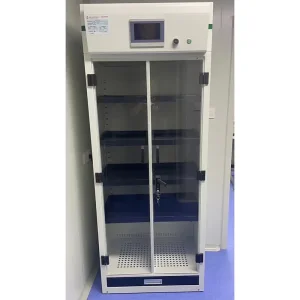
Incorporates an active molecular filtration block designed to trap reagent odor and keep local indoor workspace air quality clean.
View DetailsIn modern industrial research and pharmaceutical synthesis, laboratory safety infrastructure is not merely a utility; it is the cornerstone of regulatory compliance and life protection. A Laboratory Fume Cupboard represents the primary physical barrier designed to control, contain, and exhaust dangerous chemical vapors, toxic aerosol particulates, and volatile organic compounds (VOCs). Selecting the correct manufacturer and configuring the structural components to fit your HVAC layout dictates the efficiency of your containment strategy.
A fume hood’s performance is determined by its ability to prevent air turbulence and reverse flows from escaping the inner workspace. Globally recognized standards like ASHRAE 110 (USA) and EN 14175 (Europe) define the testing protocol for face velocity and containment index. The standard operating face velocity must be maintained between 0.3 m/s to 0.5 m/s (60 to 100 FPM). Drop below this threshold, and drafts from the room can siphon fumes outward; rise too far above, and internal vortexes will form, spitting contaminants back through the sash opening.
Depending on the chemicals handled, the structural composition of a fume cupboard must be carefully engineered:
Modern laboratories optimize power consumption using smart flow control interfaces. In Constant Air Volume (CAV) systems, the exhaust rate remains static, demanding bypass paths to regulate intake as the sash moves. In Variable Air Volume (VAV) setups, motorized dampers interface with localized face velocity sensors to scale fan power consumption dynamically based on the sash height. Choosing the right configuration from a qualified Chinese factory can save up to 40% in annual HVAC energy costs.

Established in 2004, Nantong Jinzonian Experimental Equipment Co., Ltd. is a recognized high-tech enterprise dedicated to the research, development, and high-volume manufacture of state-of-the-art laboratory safety containment systems.
Based in Nantong City, Jiangsu Province, our 10,000-square-meter facility utilizes CNC sheet metal lines, robotic laser cutting systems, and high-precision polymer extrusion technology. We specialize in producing fume cupboards, safety cabinets, clean benches, air showers, and modular laboratory steel systems that satisfy demanding chemical and microbiological isolation requirements.
By working with elite universities and industrial designers, we ensure that every unit delivered to medicine, biotechnology, petrochemical engineering, and academic centers satisfies crucial international quality protocols.
Procuring laboratory infrastructure from a reliable Chinese manufacturer like Jinzonian presents critical business and engineering advantages for global developers, EPC contractors, and procurement departments:
Our raw materials, electronic dampers, motor blowers, and sheet metals are sourced locally in Jiangsu, resulting in swift production run times and decreased turnaround delays.
Tailor your units with customized sash structures, local voltage adaptations (110V/220V/380V), chemically resistant epoxy countertops, and dedicated utility taps.
Enjoy direct commercial pricing by bypassing distributors, enabling developers to budget and configure full-scale laboratory buildouts efficiently.
We provide comprehensive solutions across multiple high-tech verticals:
Select from our highly requested catalog of containment chambers and chemical safety enclosures designed for immediate deployment.
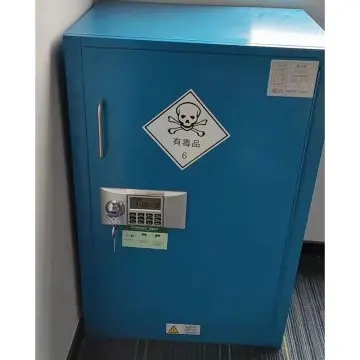
Model: AYT045Y
Double-walled steel structural containment designed with leak-proof sumps to store combustible raw reagents safely.
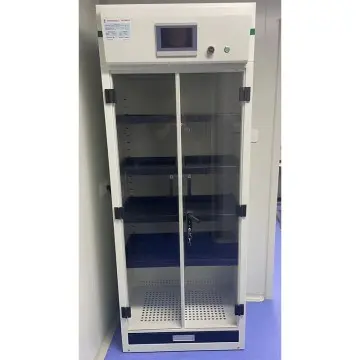
Model: JQXYPG
Dual filter molecular absorption cabinet to neutralize noxious volatile odors and maintain healthy ambient workspace air.
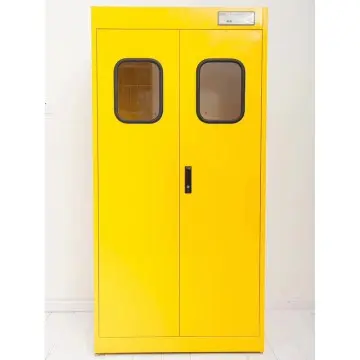
Size: 900*450*1900mm
Exhaust-equipped heavy-duty cabinet featuring gas cylinder brackets, safety chains, and automatic leakage alarm triggers.
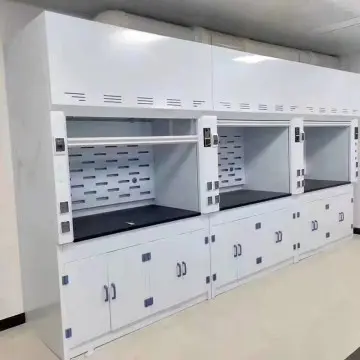
Size: 1500*850*2350mm
Configured in steel or stainless-steel options with a counterbalanced glass sash, water inlets, and built-in exhaust baffles.
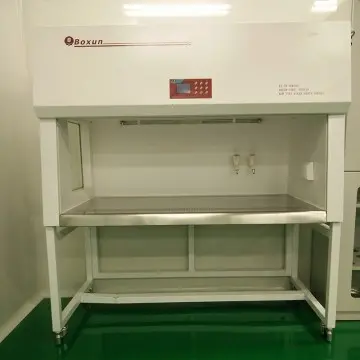
Model: SW-CJ-1FD
Equipped with a high-efficiency particulate filter system, providing localized ultra-clean air for sensitive analysis.
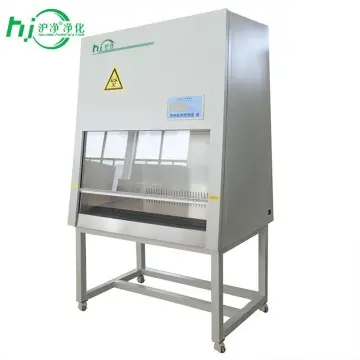
Model: BSC-1000IIA2
Meets Class II Type A2 containment specifications, securing negative pressure zones for medical research projects.
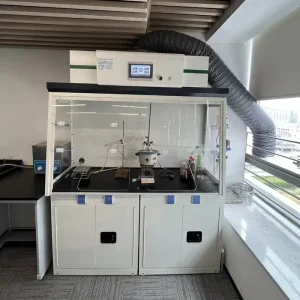
Mobile laboratory air filter hood featuring carbon and HEPA composite media to capture toxic vapor bypass paths directly.
Explore Model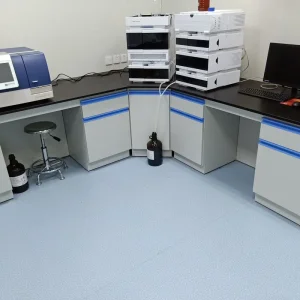
Modular storage cabinetry, industrial workbenches, and utility racks built to coordinate with standard fume cupboard configurations.
Explore ModelWe manufacture and test our products to comply with high safety and operational standards.
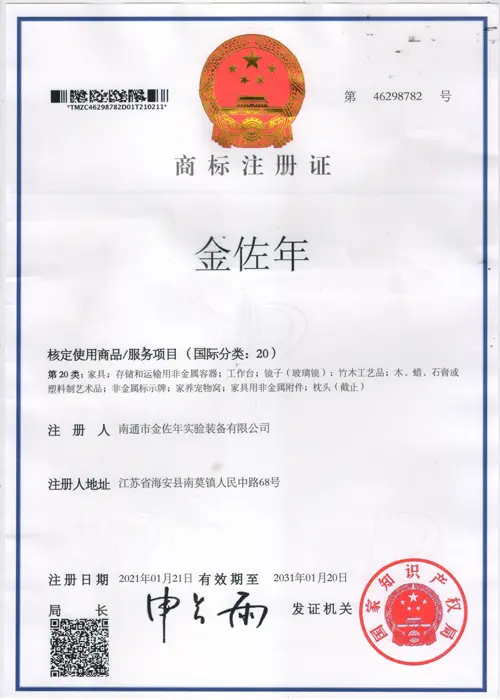
Production Audit Certificate
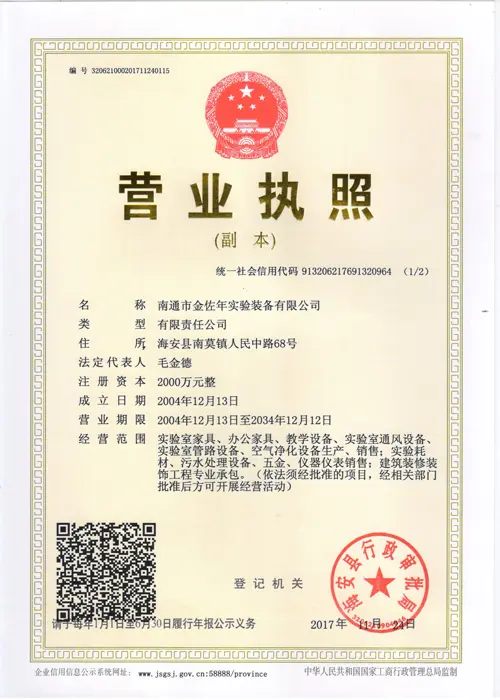
Compliance Verification Standard
Stay informed on advanced ventilation guidelines and safety tips.
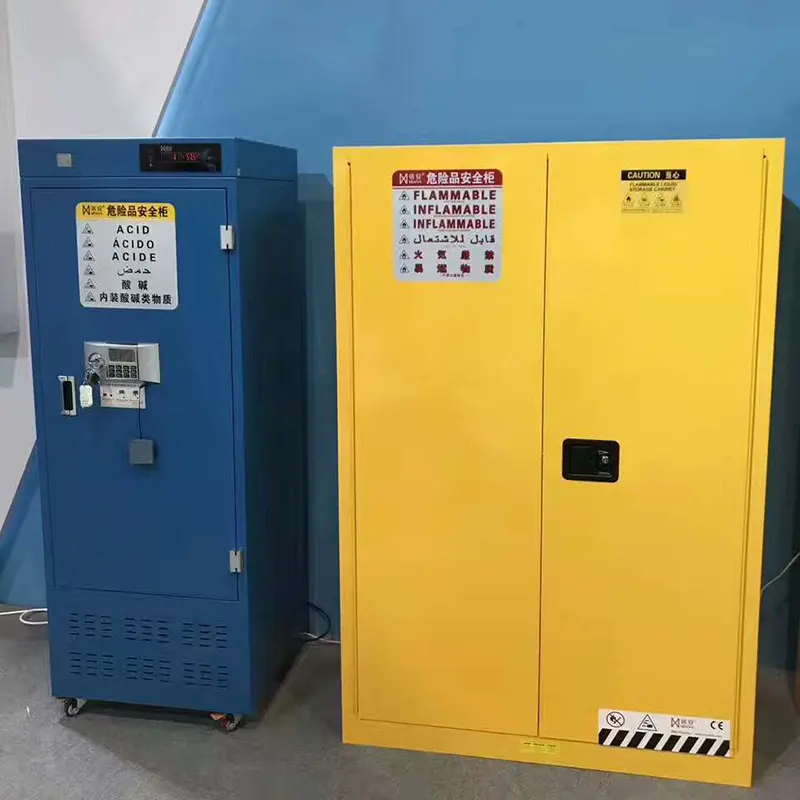
How proper placement of chemical containment units and gas cylinders prevents turbulent airflow backdrafts and protects operators.
Read Article →
Reviewing the industrial development milestones at our Jiangsu manufacturing plant, from standard cabinetry to smart VAV enclosures.
Read Article →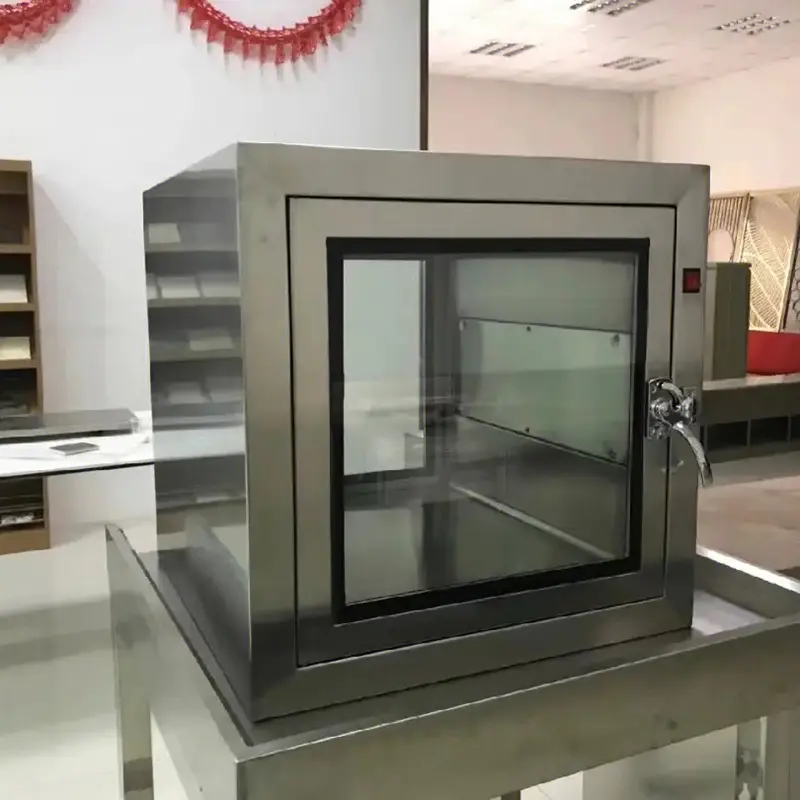
A comprehensive study of pass-through windows and electronic interlocking units in high-containment biomedical test cleanrooms.
Read Article →Technical and regulatory guidance for laboratory managers, architects, and direct procurement officers searching for industrial isolation systems.