In the high-stakes world of scientific research, the laboratory fume hood stands as the primary line of defense. As we navigate through the 2020s, the laboratory equipment industry is witnessing a paradigm shift from basic ventilation to "Smart Containment." Modern fume hoods are no longer just metal boxes with fans; they are integrated digital assets that ensure researcher safety while minimizing environmental footprints.
Variable Air Volume (VAV) technology is revolutionizing lab economics. By reducing airflow when sashes are closed, labs can save up to 60% on HVAC costs, meeting new "Green Lab" sustainability benchmarks.
IoT-enabled sensors now provide real-time face velocity monitoring, logging every second of performance data to ensure compliance with ASHRAE 110 and EN 14175 standards.
The move toward chemical-resistant phenolic resins and ceramic work surfaces ensures longevity against even the most corrosive perchloric or hydrofluoric acids.
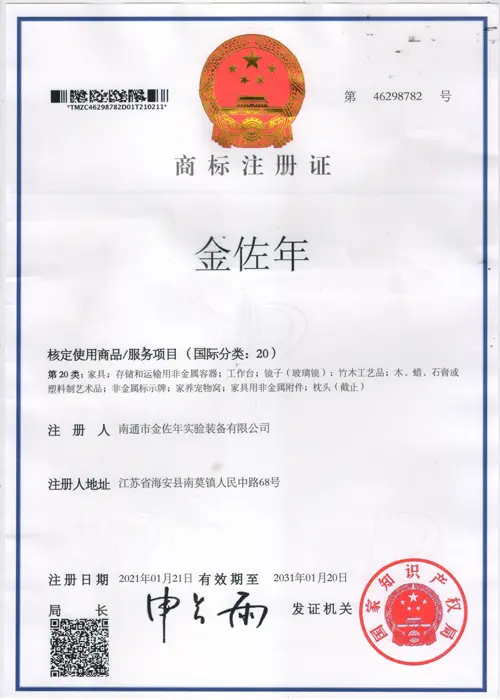
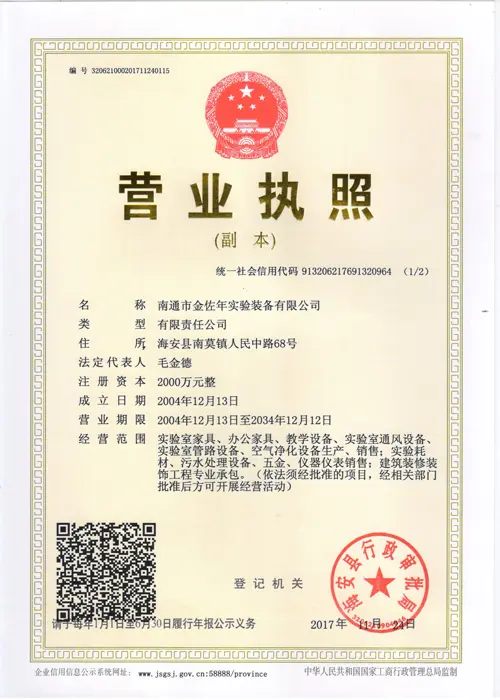
Established in 2004, Nantong Jinzonian Experimental Equipment Co., Ltd. is a high-tech enterprise specializing in the R&D, production, and sales of laboratory equipment. Our 10,000 square meter modern production facility in Jiangsu Province houses advanced manufacturing technologies designed to deliver high-quality laboratory furniture and fume hoods.
Our commitment to excellence is backed by ISO certifications and a philosophy of "Integrity and Innovation," ensuring that every piece of equipment leaving our factory exceeds global safety expectations.
Years Experience
M² Factory Area
Invention Patents
Procuring laboratory fume hoods for multinational enterprises requires a balance between capital expenditure (CAPEX) and long-term operational efficiency. Procurement officers are now looking beyond the initial price tag, focusing on:
Expert Tip: When sourcing fume hoods, always request the Containment Testing Report. A manufacturer's ability to provide ASHRAE 110-2016 as-manufactured (AM) and as-installed (AI) data is the hallmark of a reliable supplier.
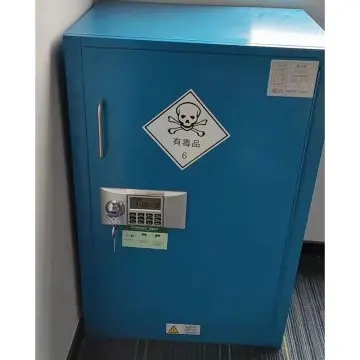
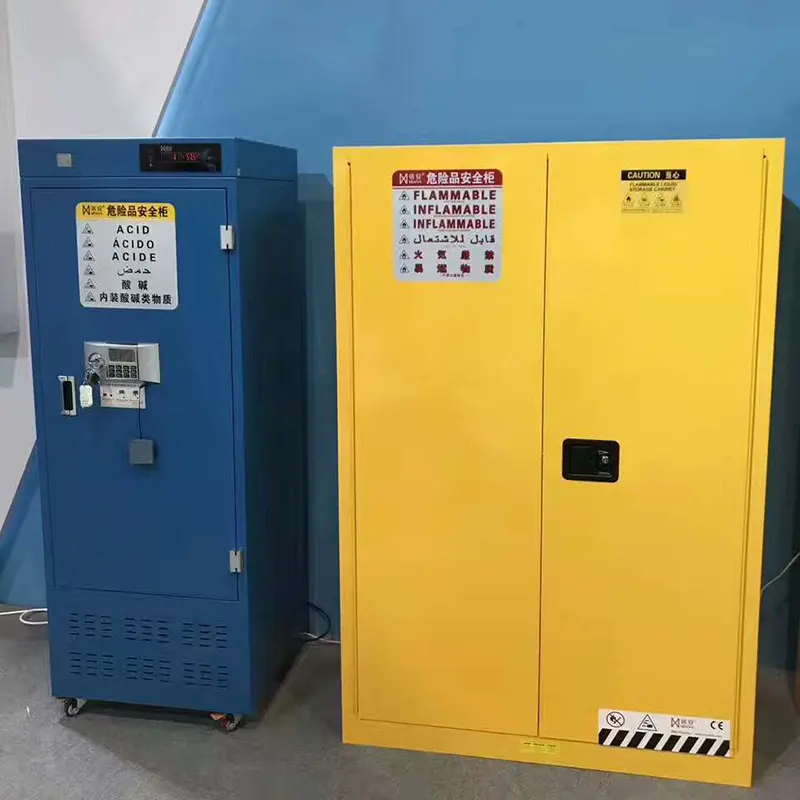
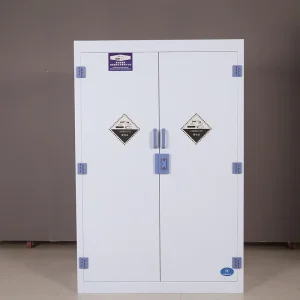
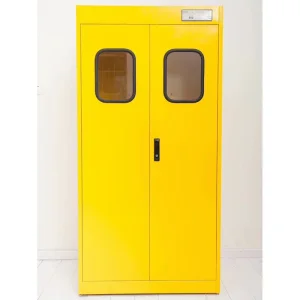
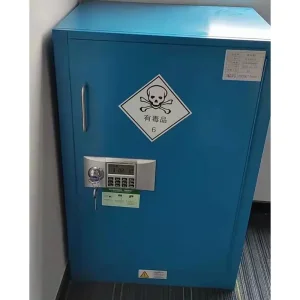
45-gallon flammable liquid fire safety cabinet. Model: AYT045Y. High-durability material.
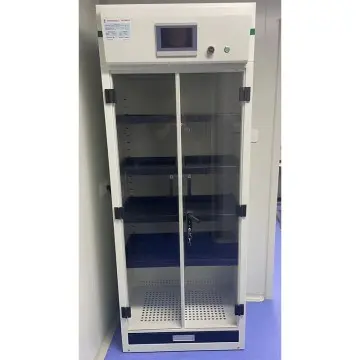
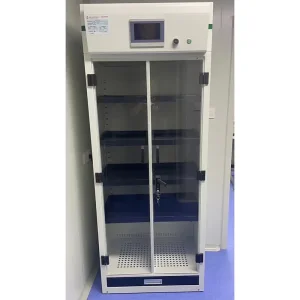
Smart filtration systems for medicinal storage. Model: JQXYPG. Multiple sizes available.
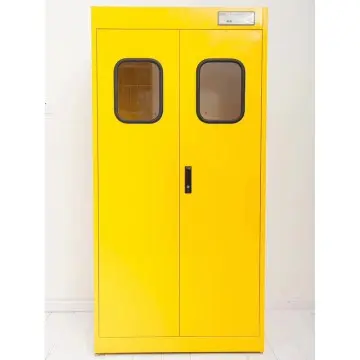
Improve local exhaust ventilation and secure hazardous gas storage. Specs: 900*450*1900.
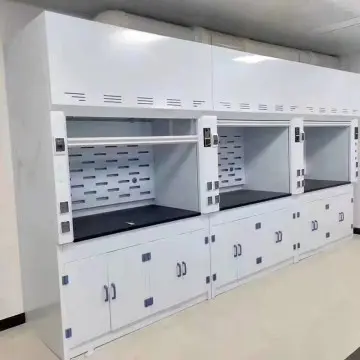
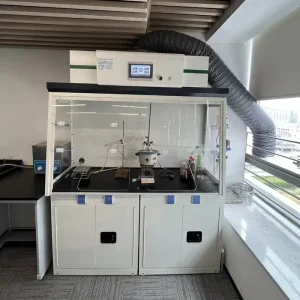
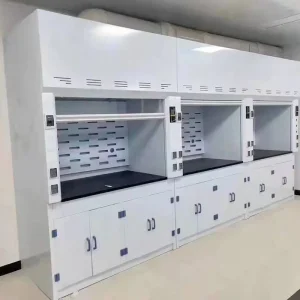
Available in all-steel or stainless steel. Size: 1500*850*2350mm. Global safety standard compliant.
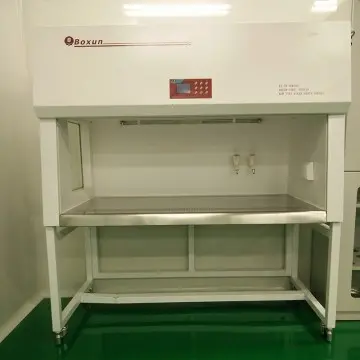
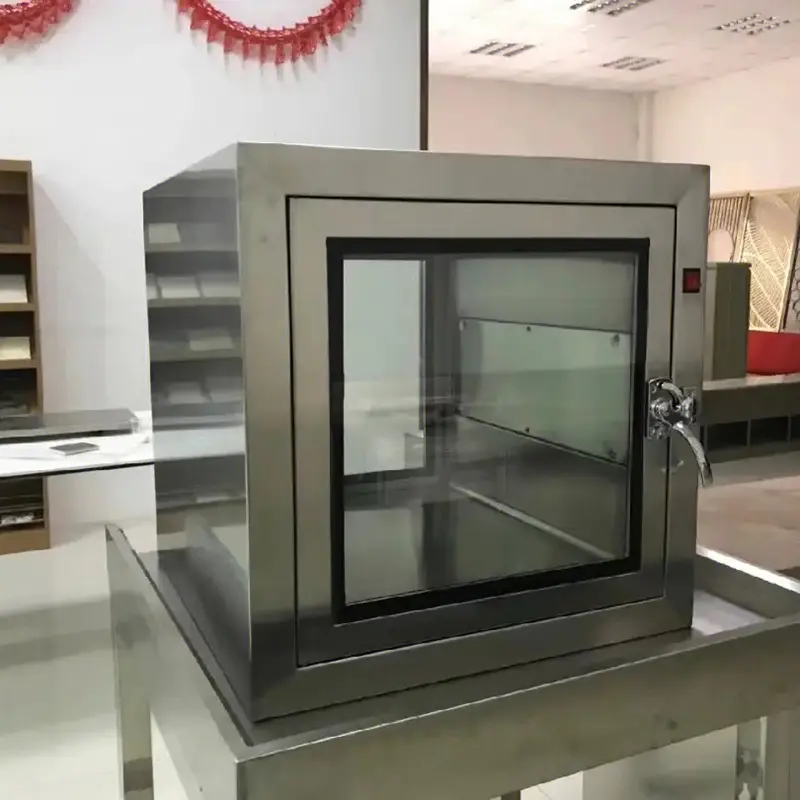
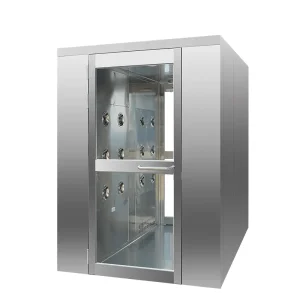
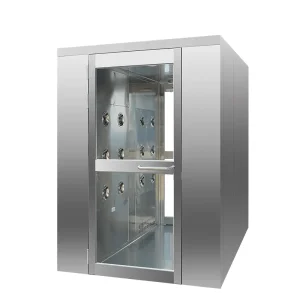
Model: SW-CJ-1FD. Widely used in biopharmaceutical and chemical research.
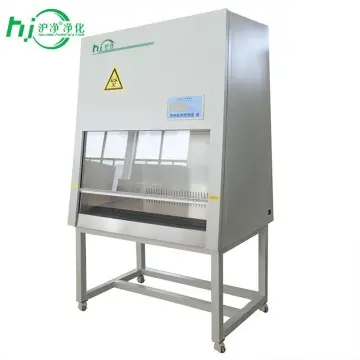
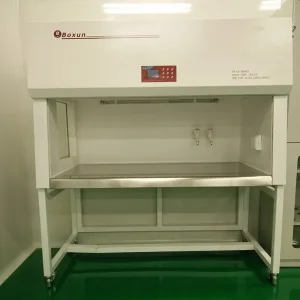
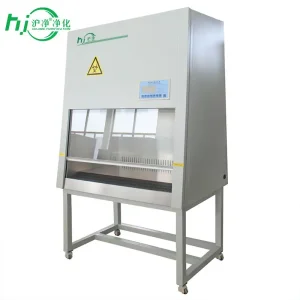
Model: BSC-1000IIA2. Complying with international biosafety level standards.
Future fume hoods will utilize machine learning to predict air turbulence based on researcher movement patterns, adjusting face velocity before leaks can even occur. This "proactive containment" will define the next generation of Nantong Jinzonian products.
AR displays on the fume hood sash will provide researchers with real-time chemical data, experiment timers, and safety warnings without them having to look away from their work, significantly reducing human error.

Partnerships with top-tier universities for independent IP development.

Global customer satisfaction through rigorous quality control audits.

Enhancing capabilities to deliver superior services and global shipping.