In the contemporary landscape of clinical research and industrial chemistry, the term "Small Medicine Cabinet" has evolved far beyond residential fixtures. Today, it represents a critical component of hazardous material management and biosafety protocols. As global health standards tighten, manufacturers like Nantong Jinzonian Experimental Equipment Co., Ltd. are at the forefront of engineering storage solutions that balance spatial efficiency with rigorous safety compliance.
The global laboratory furniture market is projected to grow significantly, driven by the expansion of biopharmaceutical hubs in North America, Europe, and Asia-Pacific.
Compliance with OSHA, NFPA 30, and EN 14470-1 standards is no longer optional but a prerequisite for any industrial-grade safety cabinet manufacturer.
Modern cabinets now integrate HEPA filtration and gas purification systems to protect both the user and the integrity of stored biological samples.
The rise of precision medicine and localized clinical trials has created a massive surge in demand for compact, high-security storage units. Unlike large-scale industrial warehouses, a small medicine cabinet designed for clinical settings must offer modularity. Factories are now transitioning from traditional cold-rolled steel fabrication to incorporating smart-lock technologies, RFID tracking, and IoT sensors that monitor internal temperature and VOC (Volatile Organic Compound) levels in real-time.
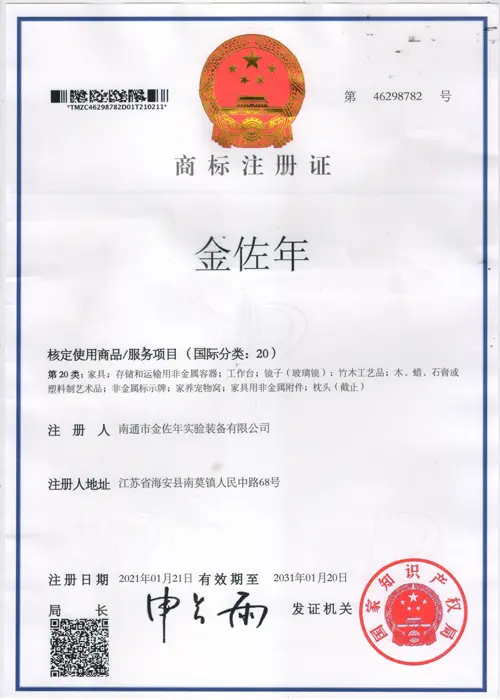
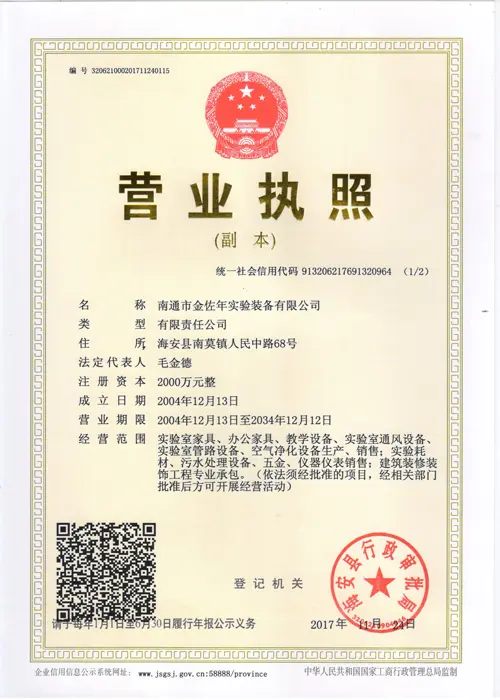
Established in 2004, Nantong Jinzonian Experimental Equipment Co., Ltd. is a high-tech enterprise dedicated to the R&D, production, and sales of high-end experimental equipment. Based in Nantong, Jiangsu Province, our 10,000-square-meter facility is equipped with state-of-the-art production lines that serve medicine, chemical engineering, and environmental protection sectors worldwide.
Years Experience
Square Meters
Established

As a leading Small Medicine Cabinet Manufacturer, we don't just build boxes; we build safety ecosystems. Our technical roadmap for 2024-2030 focuses on three core pillars of innovation:
Moving beyond passive storage, our future cabinets feature active carbon filtration systems that neutralize toxic fumes before they exit the cabinet, reducing the need for expensive HVAC external ducting.
Utilizing epoxy resin powder coatings enhanced with antimicrobial nano-particles, ensuring that the cabinet surface remains sterile and resistant to highly corrosive acids (Acid-Base Cabinets).
The "Smart Lab" integration allows facility managers to monitor the status of every safety cabinet across multiple locations via a single dashboard, providing alerts for door-ajar states or filter saturation.

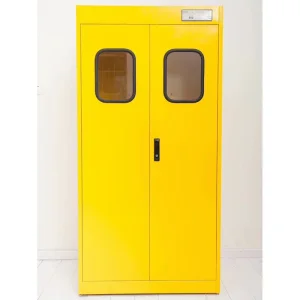
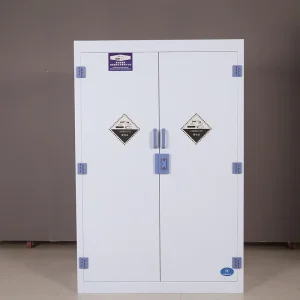
45-gallon flammable liquid fire safety cabinet. Model: AYT045Y. High-grade protection.

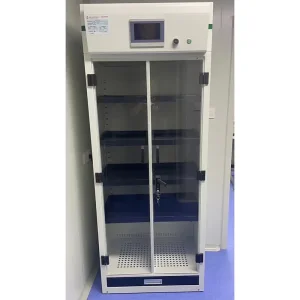
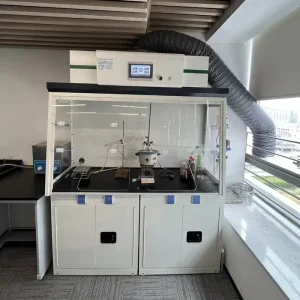
Model: JQXYPG. Dimensions up to 1600*510*2080mm. Integrated filtration.

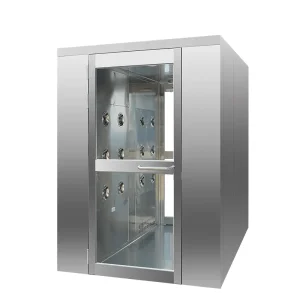
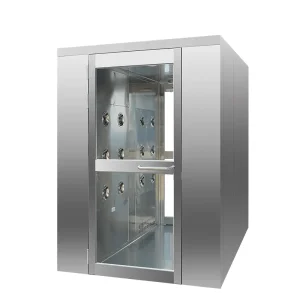
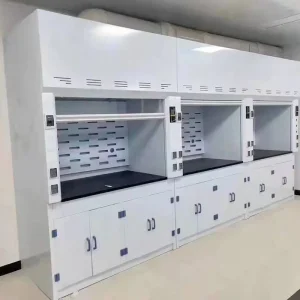
All-steel and stainless steel variants. 1500*850*2350mm. Essential lab safety.

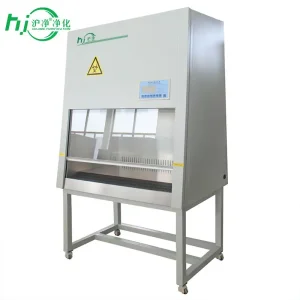
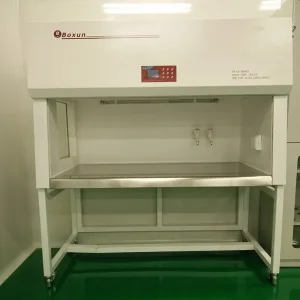
Model: BSC-1000IIA2. Complying with global biological safety standards.
When sourcing from Small Medicine Cabinet Factories, professional buyers must look at the macro solution. Jinzonian offers turnkey lab furniture planning. This includes airflow modeling for fume hoods, seismic anchoring for tall cabinets, and hazardous material zoning advice.
Q: What materials are best for storing corrosive chemicals?
A: For acid and base storage, we recommend high-density polypropylene (PP) or steel cabinets with a specialized epoxy powder coating to prevent oxidation and structural failure.
Q: How do small medicine cabinets improve lab efficiency?
A: By enabling "point-of-use" storage, researchers spend less time traversing the lab to fetch reagents, which also reduces the risk of spills during transport.
Q: Can these cabinets be customized for specific dimensions?
A: Yes, as a direct manufacturer, Nantong Jinzonian offers OEM/ODM services to fit unique architectural constraints without compromising safety standards.