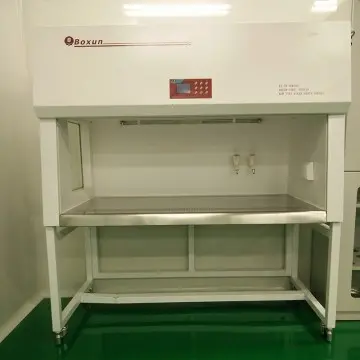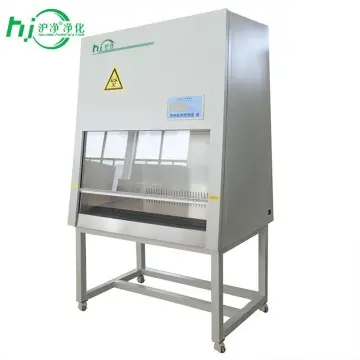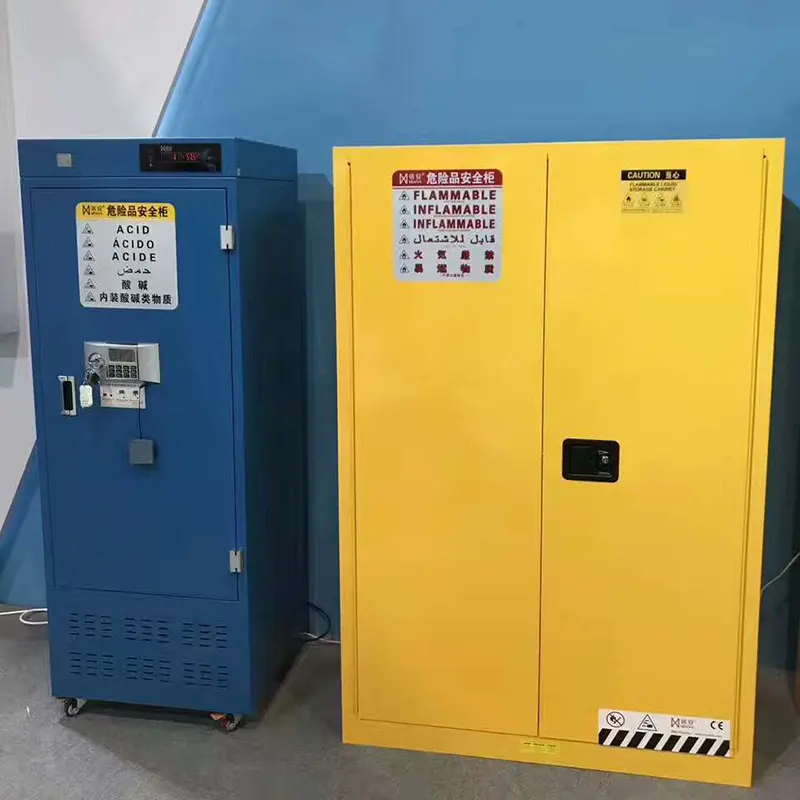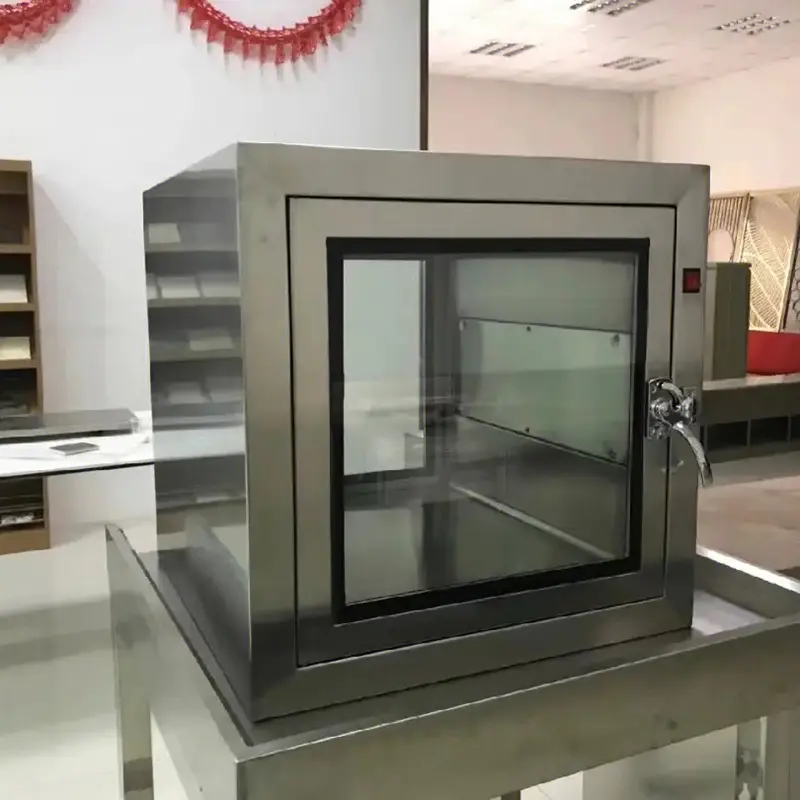
Explore our engineering portfolio of high-performance containment systems built to withstand the most aggressive chemical applications.
A Technical Whitepaper on Chemistry Fume Hood Integration, Global Safety Compliance, and Lab HVAC Architecture.
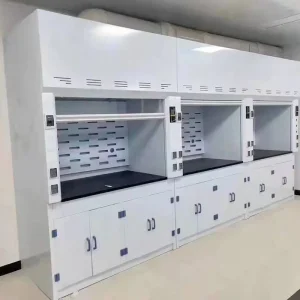
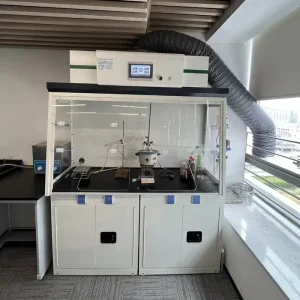
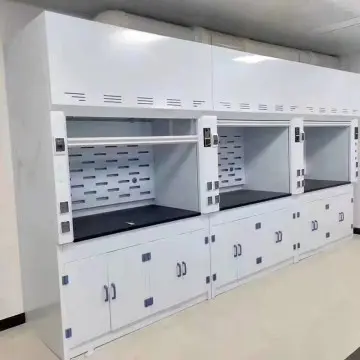
Modern research, analytical, and manufacturing facilities demand robust laboratory infrastructure capable of managing hazardous vapors, toxic chemicals, and radioactive materials. As safety protocols tighten globally, selecting the right chemistry fume hood becomes an essential component of architectural and operational design. This whitepaper evaluates the critical design standards, testing criteria, safety benchmarks, and material sciences that define next-generation lab containment systems, drawing upon decades of engineering practice at Nantong Jinzonian Experimental Equipment Co., Ltd.
Fume containment performance is dictated by international regulatory bodies. Procurement decisions in the North American market generally rely on the ASHRAE 110-2016 test protocol, which measures the containment capability of a hood under three distinct phases: As Manufactured (AM), As Installed (AI), and As Used (AU). This test uses molecular sulfur hexafluoride (SF6) tracer gas released inside the hood to verify that the concentration of gas leaking back to the user's breathing zone remains below 0.05 parts per million (ppm).
In contrast, European markets require validation through the EN 14175 standard. This standard focuses not only on simple face velocity but also evaluates containment performance, robust air exchange efficiency, and sash disruption resistance. To satisfy both European and American protocols, global manufacturers must utilize advanced fluid dynamics analysis to minimize internal turbulence, eliminate low-velocity pockets, and maintain a consistent aerodynamic sash entry profile.
Developing heavy-duty chemistry fume hoods requires selection of specialized, highly-resistant materials. The interior lining of a fume hood must withstand extreme chemical exposures, thermal fluctuations, and abrasive vapors. The industry standard materials include:
Fume hoods consume significant quantities of energy because they exhaust large volumes of conditioned laboratory air. Architectural HVAC engineers must choose between Constant Air Volume (CAV) systems, which extract a static volume of air regardless of sash height, and Variable Air Volume (VAV) systems, which modulate air volume dynamically based on sash position. VAV systems integrate with building automation networks via high-speed actuators and sash positioning sensors, dramatically reducing overall laboratory energy usage while maintaining a constant face velocity (typically 80-100 fpm/feet per minute).

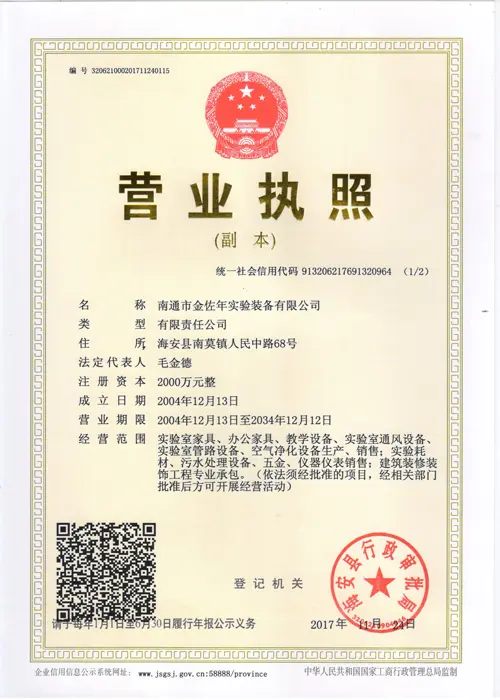
Established in 2004, Nantong Jinzonian Experimental Equipment Co., Ltd. is a leading high-tech enterprise specializing in the research, development, production, and sales of high-performance experimental equipment and laboratory furniture.
Headquartered in Nantong City, Jiangsu Province, our modern production facility spans approximately 10,000 square meters, utilizing advanced manufacturing machinery, automated welding arms, and laser CNC fabrication centers.
Jinzonian products are widely integrated across global medicine, chemical synthesis, bioengineering, and environmental testing sectors, ensuring safety, reliability, and precision for laboratory personnel worldwide.
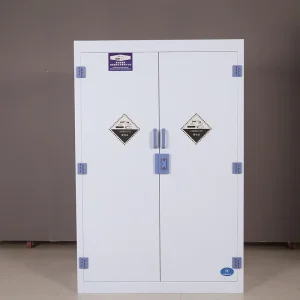
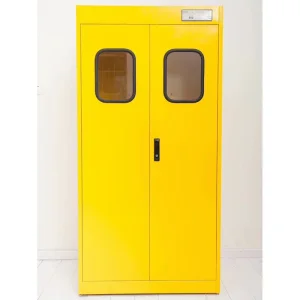
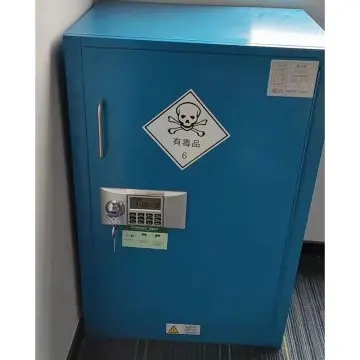
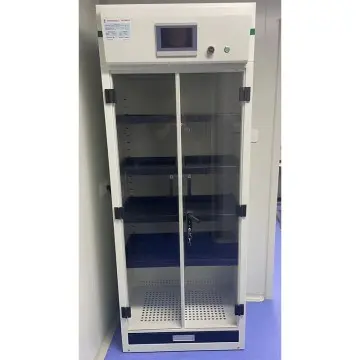
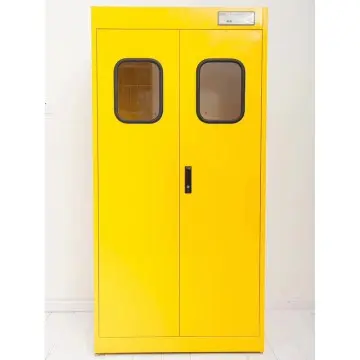
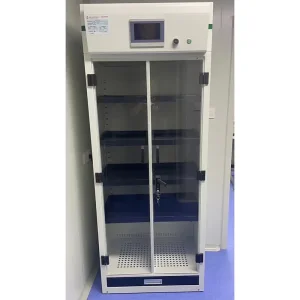
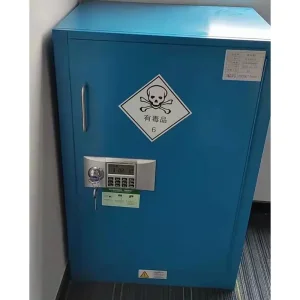
High-demand security and laboratory cabinet systems manufactured to strict technical tolerances.
Building intelligence and eco-efficiency into critical containment infrastructure.
Laboratory facilities serve unique industrial functions, requiring distinct engineering specifications:
The laboratory industry is undergoing a digital transition. Future chemical safety equipment is evolving to incorporate smart features:
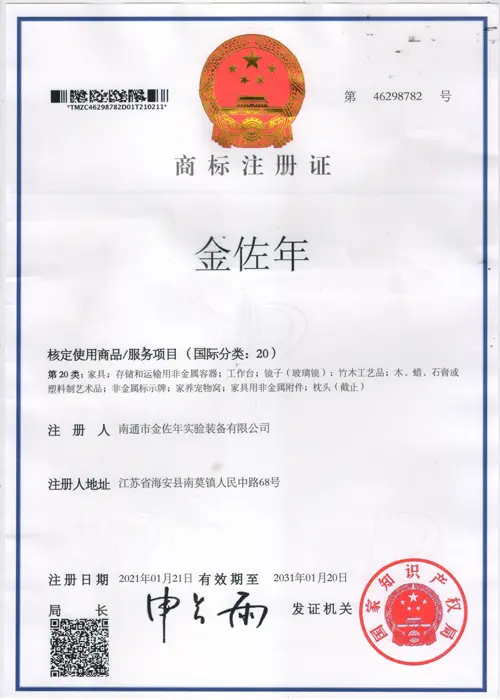
Jinzonian ensures production transparency, strict quality management, and verified manufacturing standards.

Jinzonian partners with top domestic and international universities to develop laboratory products with independent intellectual property rights.

Our facilities achieve strict ISO certifications, ensuring that every batch of furniture and fume hoods meets global standards.

Jinzonian continuously improves its design capabilities to deliver reliable products and complete post-sale support to global buyers.
Stay informed with technical bulletins and laboratory safety updates from Jinzonian.
Direct technical answers to common engineering, procurement, and ventilation design questions.
Complete your facility planning with our range of storage and safety products.