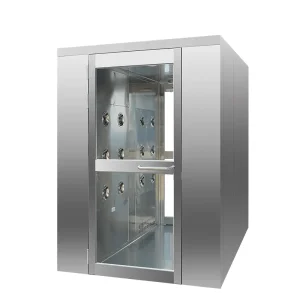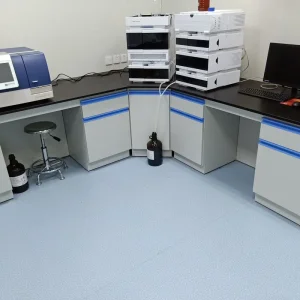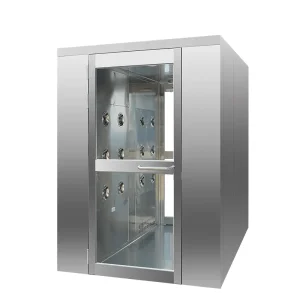
The global demand for China Fire Protection Cabinets has evolved from basic storage needs into a sophisticated requirement for integrated safety ecosystems. As international regulatory bodies such as OSHA (Occupational Safety and Health Administration) and NFPA (National Fire Protection Association) tighten their grip on chemical handling, the role of specialized factories in China has become pivotal. Leading manufacturers like Nantong Jinzonian Experimental Equipment Co., Ltd. are no longer just suppliers; they are strategic partners in risk mitigation.
Macro-economically, the shift towards high-tech manufacturing, pharmaceuticals, and renewable energy (specifically Lithium-ion battery storage) has catalyzed a 150% increase in the requirement for FM-approved and UL-listed safety cabinets. Modern fire protection cabinets are now required to withstand extreme thermal duress while providing intelligent venting solutions to prevent volatile organic compound (VOC) accumulation.
Enterprises in the EU and North America are increasingly sourcing from China to leverage the "Scale-to-Value" ratio, ensuring high-grade 18-gauge double-walled steel construction at competitive price points.
Factories are now integrating European EN 14470-1 standards with American NFPA 30 codes, creating a "Universal Compliance" model for global chemical storage.
Focus has shifted to "Smart Cabinets" equipped with IoT sensors that monitor internal temperature, humidity, and leakage, providing real-time alerts to facility managers.

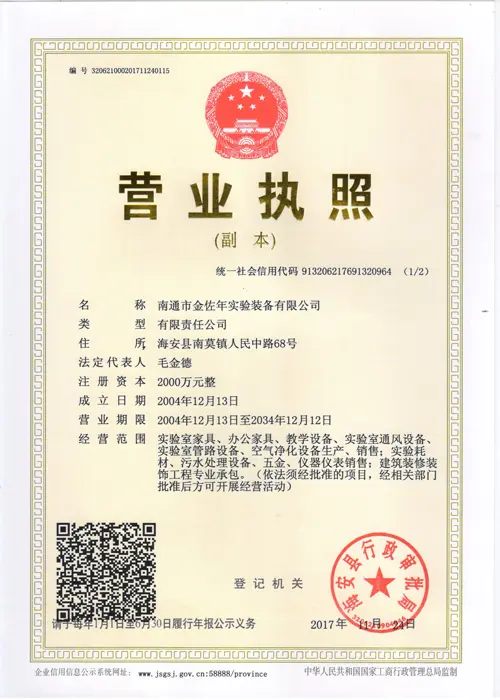
Established in 2004, Nantong Jinzonian Experimental Equipment Co., Ltd. is a high-tech enterprise specializing in the research, development, production, and sales of experimental equipment. Our headquarters in Nantong City, Jiangsu Province, spans 10,000 square meters of modernized production space.
We mainly produce laboratory equipment, laboratory furniture, and consumables widely used in medicine, chemical industries, bioengineering, and environmental protection. Our commitment to E-E-A-T (Experience, Expertise, Authoritativeness, and Trustworthiness) ensures that every cabinet leaving our factory meets rigorous international safety benchmarks.
Years of Experience
Square Meters Factory
Global Projects
Certified Quality
The trajectory of fire protection cabinet technology is moving toward "Passive-Active Integration." While traditional cabinets rely on physical barriers, the next generation involves active suppression systems built directly into the cabinet chassis.
Utilization of high-density mineral wool insulation and intumescent door seals that expand at 160°C to hermetically seal the unit during a fire event.
RFID tracking for every chemical container stored, automated inventory logging, and integration with Building Management Systems (BMS).
Transitioning to lead-free, low-VOC powder coatings and 100% recyclable steel components to meet global ESG (Environmental, Social, and Governance) goals.
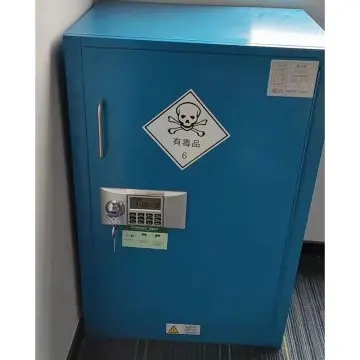
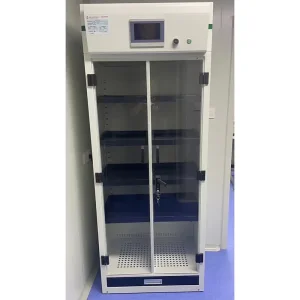
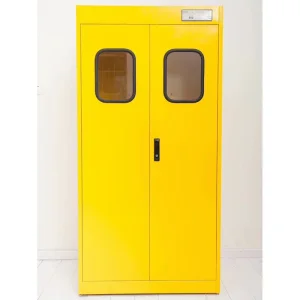
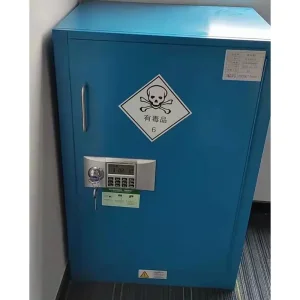
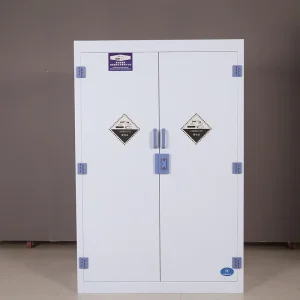
Model: AYT045Y. High-quality 18-gauge steel, double-walled construction with 38mm insulating air space for flammable liquid protection.
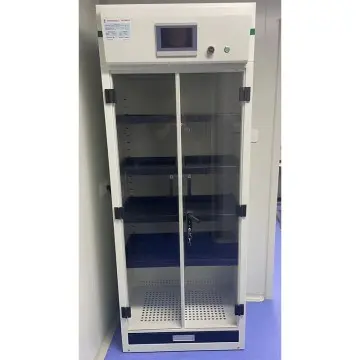
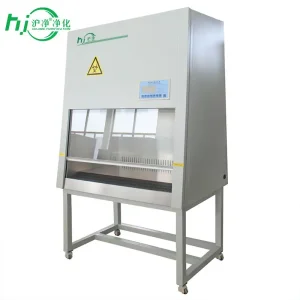
Model: JQXYPG. Features advanced filtration systems to remove hazardous vapors, ensuring laboratory air quality is maintained.
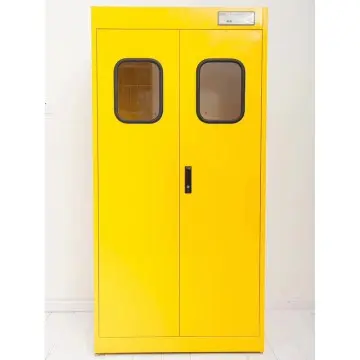
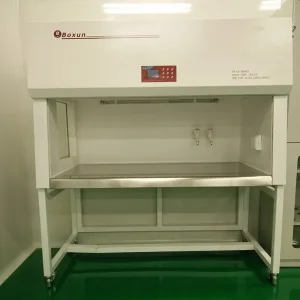
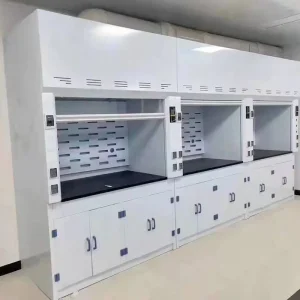
Designed for local exhaust ventilation improvement, preventing the buildup of explosive gases in industrial settings.
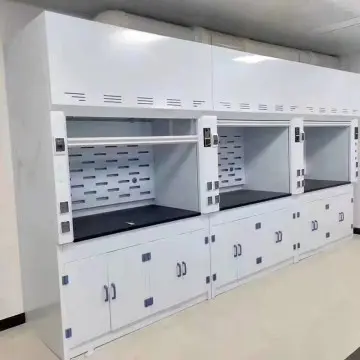
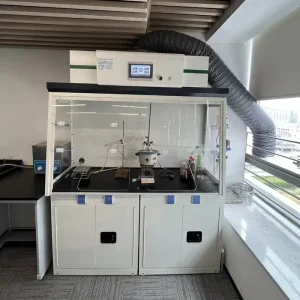
Available in various sizes (1500*850*2350mm). Essential for protecting personnel from toxic fumes during chemical reactions.
Navigating the complex landscape of international fire codes requires deep technical expertise. As a leading China Fire Protection Cabinets Factory, we provide localized support for:
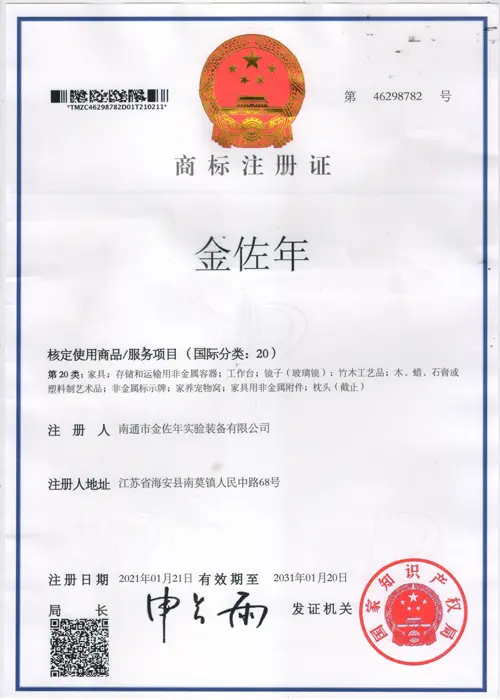
Compliance is achieved through the use of 18-gauge cold-rolled steel, double-walled construction with a 1.5-inch air gap, leak-proof sills, and three-point self-latching doors. Our factory specifically manufactures to these dimensions and material specs.
Standard fire cabinets are designed for liquids. However, our specialized high-heat units are adapted for battery storage, featuring thermal runoff mitigation and pressure relief vents.
Leveraging our 10,000 sqm facility, standard units ship within 15-20 days. Custom configurations for large-scale industrial plants typically range from 30 to 45 days.
Yes, we provide detailed technical drawings and remote video supervision for international installations, ensuring all ductwork and airflow sensors are calibrated correctly.