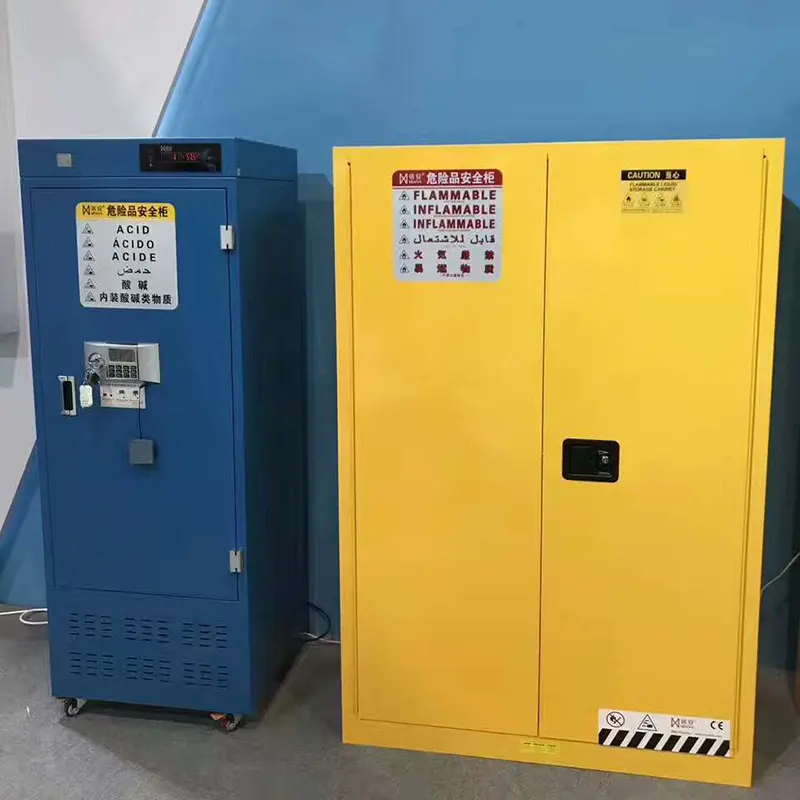
Explore our elite range of laboratory extraction and safety cabinetry, certified to international ISO and safety metrics.
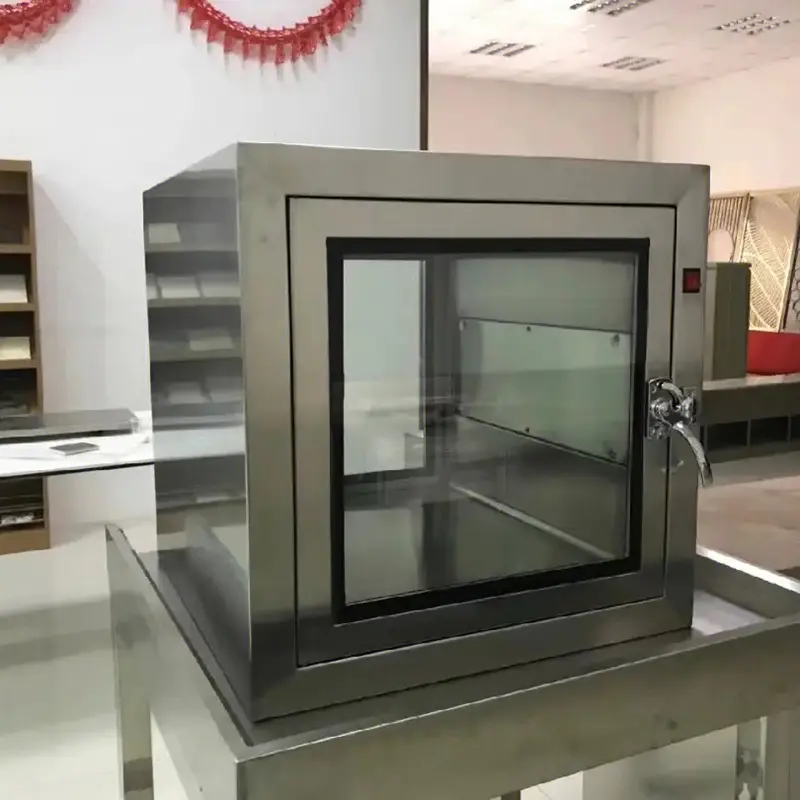
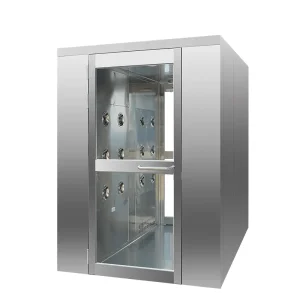
Heavy-duty containment clearance chambers designed to eliminate particulate contamination before cleanroom entrance.
Active carbon filtration medicine cabinets ensuring internal air purity and neutralizing dangerous chemical odors.
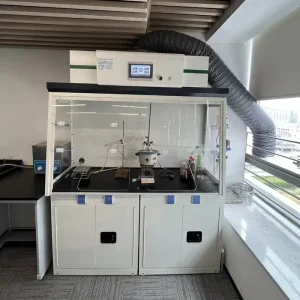
Integrated multi-stage filtration air-purifying fume cupboards for versatile, localized chemical containment.
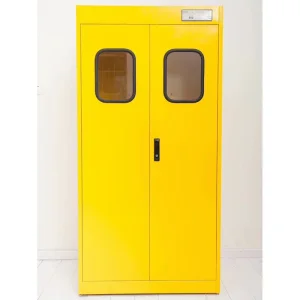
Explosion-resistant gas storage configurations equipped with leak detection sensors and continuous ventilation ports.
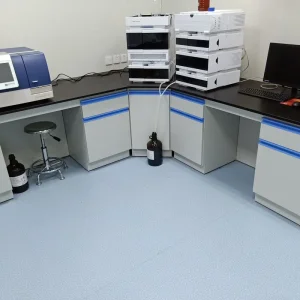
Modular, heavy-duty workstations, worktops, and casework manufactured with chemical-resistant materials.
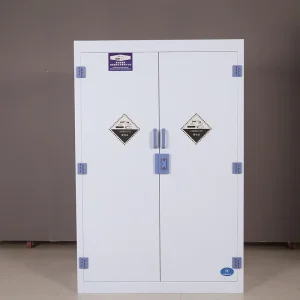
Polypropylene and specialty steel cabinets featuring maximum corrosion resistance for hazardous chemical acids.
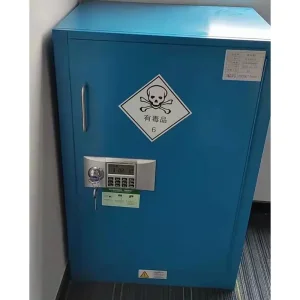
Industrial-grade fire safety and chemical hazard protection cabinets conforming to OSHA and NFPA requirements.
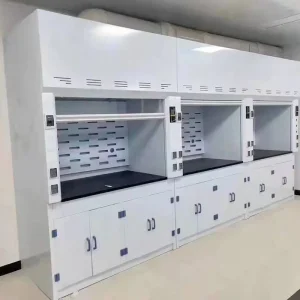
Optimized aerodynamic flow fume extraction systems for robust user shielding and continuous vapor exhaustion.
Nantong Jinzonian Experimental Equipment Co., Ltd. was established in 2004. It is a high-tech enterprise specializing in the research, development, production and sales of experimental equipment. The company is headquartered in Nantong City, Jiangsu Province, covering an area of about 10,000 square meters, with modern production workshops and advanced production equipment.
Jinzonian Company mainly produces laboratory equipment, laboratory furniture, laboratory consumables and other products, which are widely used in medicine, chemical industry, bioengineering, environmental protection and other fields. Our decades of manufacturing experience and refined products provide you with better protection, complying with standard methodologies and safety protocols worldwide.
Explore Our Factory Direct Catalog
Why premier laboratory networks and chemical production facilities choose Jinzonian as their primary manufacturer.

The company partners with top universities to develop high-quality products with independent intellectual property, adapting to shifting biochemical hazard standards.

Jinzonian Company achieves rigorous ISO certifications, ensuring high product durability, reliable ventilation metrics, and global customer satisfaction.

Jinzuonian Company enhances manufacturing capabilities to deliver superior products and services through our core corporate values and engineering integrity.
The laboratory fume cupboard (often referred to as a laboratory fume hood) has evolved from simple wooden enclosures with external chimneys to highly engineered containment units. Originally, the main goal was simply to exhaust air from the workspace. Today, modern fume cupboards act as critical safety barriers, utilizing advanced aerodynamic designs to protect operators while minimizing energy consumption.
Key trends driving current R&D include intelligent airflow containment and the integration of Variable Air Volume (VAV) systems. Unlike constant air volume (CAV) hoods that exhaust the same volume of air regardless of sash height, VAV hoods adjust exhaust volume dynamically. This transition reduces HVAC thermal conditioning costs—historically the largest expense in laboratory facility operations.
Optoelectronic sensors track sash height in real-time, matching motor speeds and air exhaust volumes automatically to maintain containment velocity.
Adhering to LEED and BREEAM certifications by minimizing the volumetric air rate (CFM) without compromising user safety margins.
Procurement teams representing pharmaceutical firms, chemical plants, and research facilities require customized configurations. In highly regulated sectors, equipment must meet strict regional standards to ensure legal compliance and workplace safety.
North American buyers prioritize ASHRAE 110 containment validation and SEFA 8 chemical compatibility testing. European procurement teams depend on the EN 14175 standard series, which measures containment performance under active sash movement. In the Asia-Pacific region, rising laboratory investments require robust, cost-effective equipment that conforms to local safety standards.
At Nantong Jinzonian, we address these localized needs through modular customization. This allows clients to select lining materials (such as phenolic resin, fiber-reinforced plastics, or polypropylene) and electrical options (like explosion-proof controls or digital airflow monitors) that match their specific operational requirements.
A high-performance fume cupboard is only as effective as the laboratory HVAC infrastructure supporting it. Macro-level engineering requires a comprehensive layout that integrates laboratory furniture, fume extraction units, and make-up air systems.
Maintaining the correct air balance is essential. Laboratories operate under negative pressure relative to adjacent corridors to prevent airborne chemical migration. If fume cupboard exhaust rates change without corresponding adjustments in the make-up air volume, the room's negative pressure can exceed safe limits. This imbalance can cause door-opening issues and compromise the aerodynamic containment of the fume hoods.
By designing the ventilation hoods, storage systems, and air balance equipment in parallel, Jinzonian provides integrated containment solutions. This approach simplifies installation and helps ensure that the final setup operates safely and efficiently.
Selecting a fume cupboard supplier requires evaluating both their engineering capabilities and their compliance and logistical support networks.
Nantong Jinzonian supports global projects with detailed technical documentation, AutoCAD layouts, and engineering drawings. We use standard packaging configurations to ensure our products arrive safely and ready for assembly. Additionally, we collaborate with local installation and maintenance services to provide ongoing support and verify compliance with regional safety guidelines.
The future of laboratory design is centered on smart connectivity and environmental sustainability. Over the next decade, fume cupboards will transition into interactive safety devices equipped with advanced diagnostics.
Real-time sensor arrays will detect volatile organic compound (VOC) levels, humidity, and temperature inside the workspace. They will adjust airflow dynamically to optimize containment and energy use. Incorporating recycled materials, such as bio-based resins and eco-friendly steel, will also help lab facilities reduce their carbon footprint.
Continuous monitoring of internal chemical saturation to alert operators when carbon filtration levels drop below safe thresholds.
Built-in calibration routines that simplify the certification process during annual safety inspections.
Discover our most demanded containment and purification systems, designed for performance, longevity, and operator security.
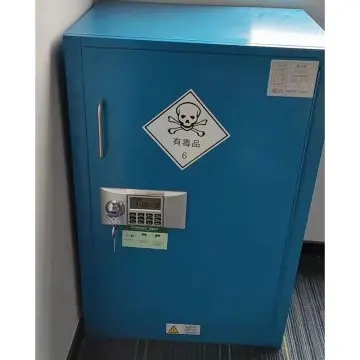
Product model: AYT045Y. Material: High-grade electro-galvanized steel with double-walled construction. Intended for safe flammable liquid storage.
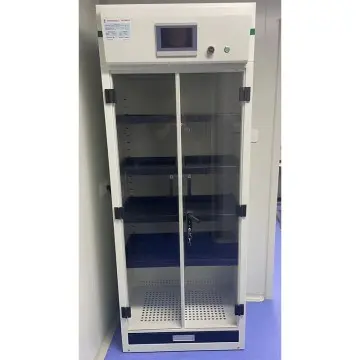
Product model: JQXYPG. Size: 800*510*2080mm / 1600*510*2080mm. Includes integrated purification filtration systems.
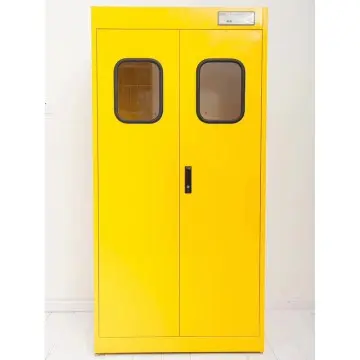
Specifications: 900*450*1900. Purpose: Used to improve local exhaust ventilation safety and protect cylinders from external heat sources.
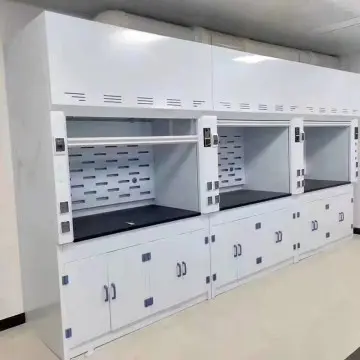
Specifications: 1500*850*2350mm. Material: Heavy-duty steel structural elements, stainless steel internal detailing, high acid tolerance.
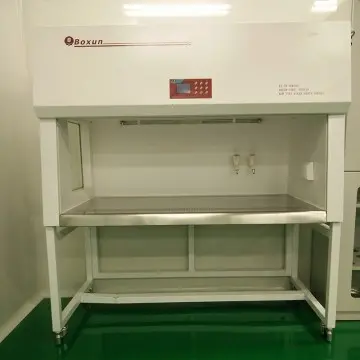
Product model: SW-CJ-1FD. This laminar flow worktop configuration is widely applied in biopharmaceuticals, clean chemistry, and electronics testing.
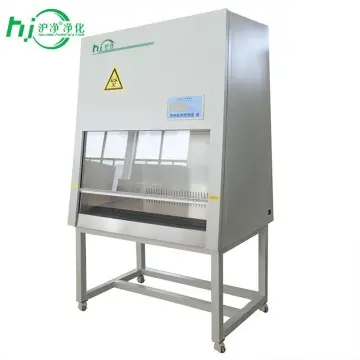
Product model: BSC-1000IIA2. Compliance: Designed to meet rigorous biosafety containment standards, ensuring protection for personnel, environment, and product.
Our quality management systems and technical products are verified through third-party audits and certifications, ensuring they meet chemical resistance and containment standards.
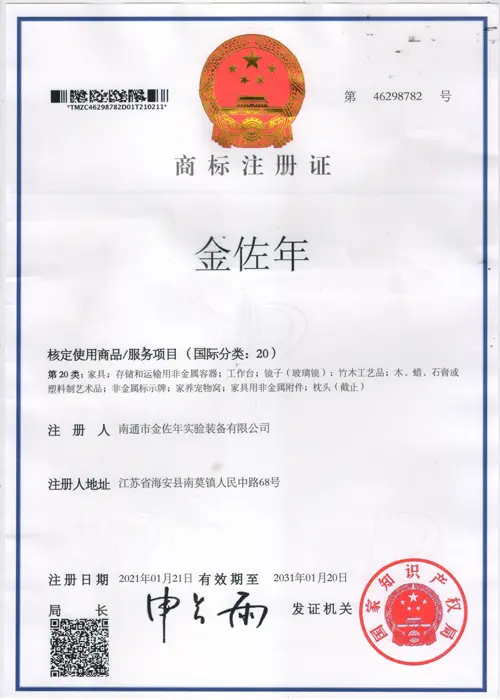
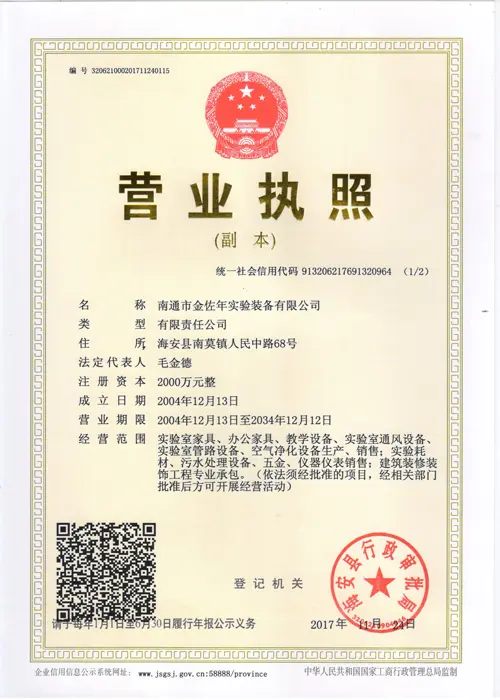
Stay updated with research trends, technological developments, and updates from Nantong Jinzonian.
Detailed answers to technical questions about fume cupboards and laboratory ventilation systems.
Explore our specialized laboratory units designed for sterile research, safety containment, and cleanroom material transfer.
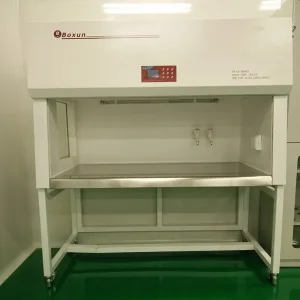
Laminar flow cabinets designed to protect samples from airborne contamination in biotech and micro-electronics labs.
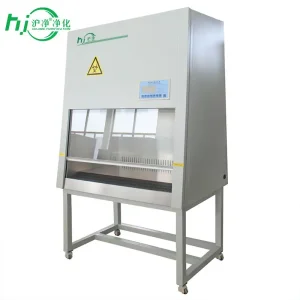
Class II biosafety containment systems designed to protect the user, environment, and biological samples.
Mechanical and electronic interlocking pass boxes designed to transfer materials safely between cleanrooms.
Aerodynamic fume extraction hoods designed to protect operators from chemical fumes and vapors.
Heavy-duty safety storage systems designed to house volatile and hazardous chemical compounds.
Highly resistant polypropylene storage solutions designed for aggressive acids and bases.
Ventilated storage enclosures designed to house compressed gas cylinders safely.
High-velocity air showers designed to blow particulates off personnel before cleanroom entry.