The global demand for Biological Safety Cabinets (BSC) has seen an unprecedented surge, driven by the expansion of biopharmaceutical R&D and the rigorous protocols of infectious disease research. As laboratories worldwide align with ISO and EN standards, the role of a wholesale supplier has shifted from a mere vendor to a strategic partner in biosafety compliance.
BSCs are critical in high-containment labs (BSL-2, BSL-3, and BSL-4). From clinical diagnostics and oncology research to the production of viral vectors and vaccines, these cabinets provide the primary barrier that protects the operator, the product, and the surrounding environment from hazardous particulates.
The industry is moving toward "Smart Containment"—integrating IoT for real-time airflow monitoring, UV lamp lifecycle tracking, and remote diagnostics. Energy efficiency is also a major driver, with ECM motors reducing operational costs by up to 60% compared to traditional AC motors.
Designed for personnel and environmental protection when using low to moderate risk agents. It does not protect the product within the cabinet from contamination, making it ideal for equipment enclosures or powder weighing.
The global industry standard. Type A2 recirculates air within the lab, while Type B2 is 100% total exhaust, essential for working with volatile toxic chemicals and radionuclides in addition to microbiological agents.
The "Glove Box" design. A gas-tight enclosure providing the highest level of protection for BSL-4 agents. All operations are performed through heavy-duty rubber gloves, ensuring zero exposure for the scientist.
Nantong Jinzonian and other top Chinese manufacturers have optimized the Supply Chain Vertical Integration. By housing R&D, sheet metal fabrication, HEPA filter assembly, and software programming under one roof, we reduce lead times by 40%. The efficiency advantage isn't just about cost—it's about the speed of innovation. Our modern workshops utilize precision CNC laser cutting and robotic welding to ensure airtight integrity, a non-negotiable factor in biological containment.

Nantong Jinzonian Experimental Equipment Co., Ltd., established in 2004, is a high-tech enterprise specializing in the research, development, and production of experimental equipment. With a 10,000 square meter facility in Jiangsu Province, we leverage two decades of experience to deliver high-quality laboratory furniture and safety cabinets to global markets including medicine, chemical engineering, and biotechnology.
Our commitment to innovation is reflected in our multiple invention patents and strategic partnerships with leading universities, ensuring our biological safety cabinets remain at the forefront of laboratory technology.
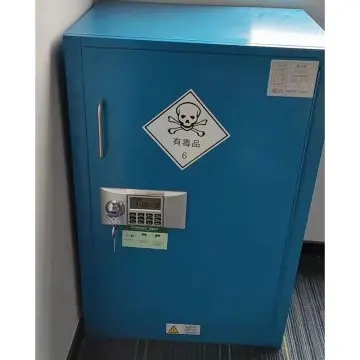
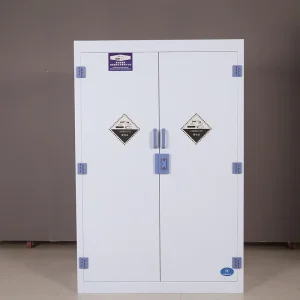
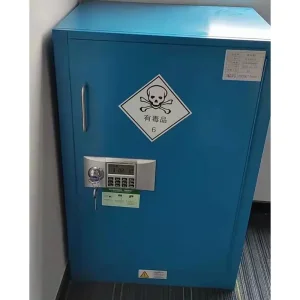
45-gallon flammable liquid safety cabinet. High-grade protection.
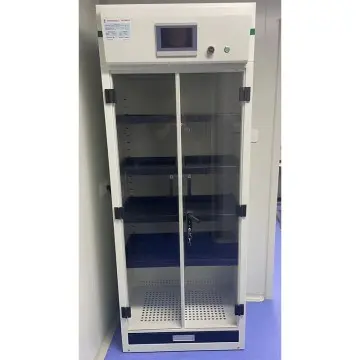
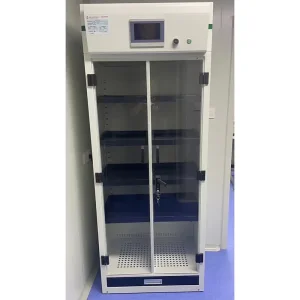
Advanced filtration for laboratory medicine storage.
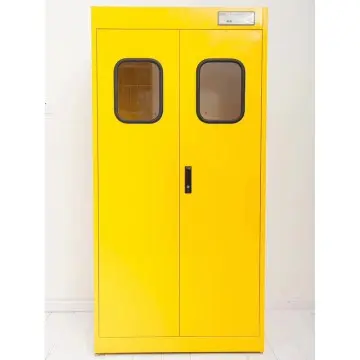
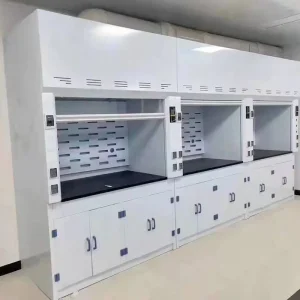
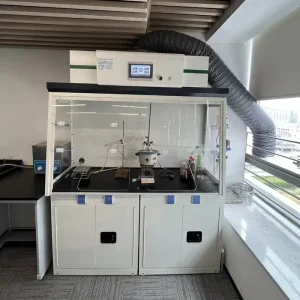
900*450*1900 specifications for local exhaust ventilation.
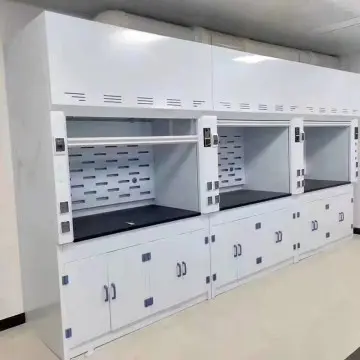
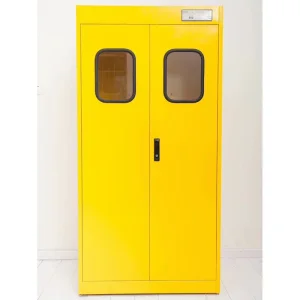
Stainless steel/All-steel material for chemical resistance.
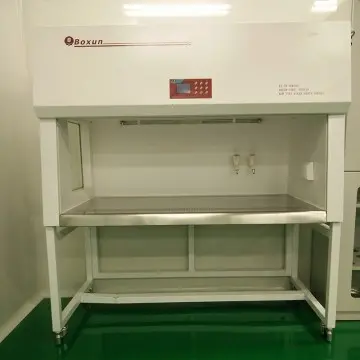
SW-CJ-1FD Model for biopharmaceutical applications.
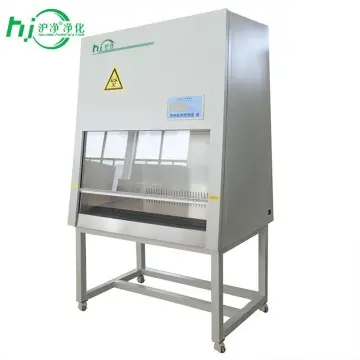
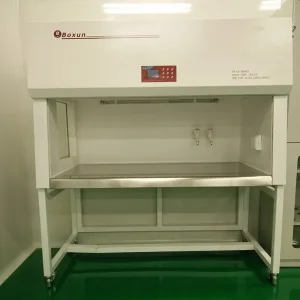
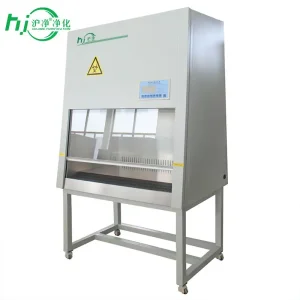
BSC-1000IIA2: Complies with international safety standards.

Collaboration with top academic institutions ensures our patents stay ahead of biosafety threats.

Rigorous ISO audits and CE compliance guarantee global reliability and site acceptance testing (SAT) success.

Comprehensive after-sales support and localized procurement guidance for international distributors.
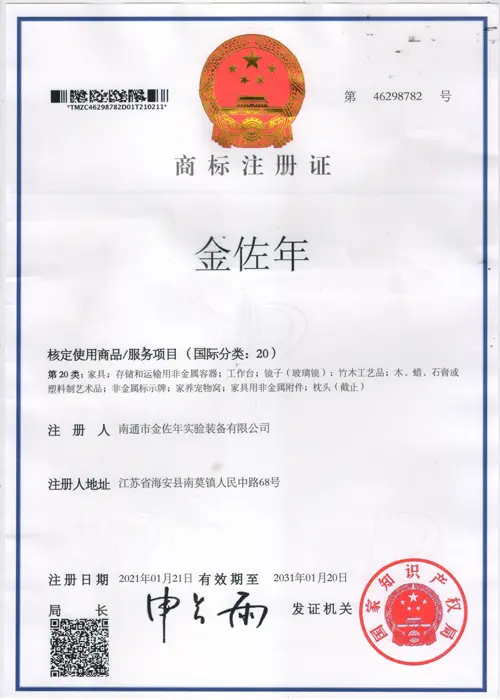
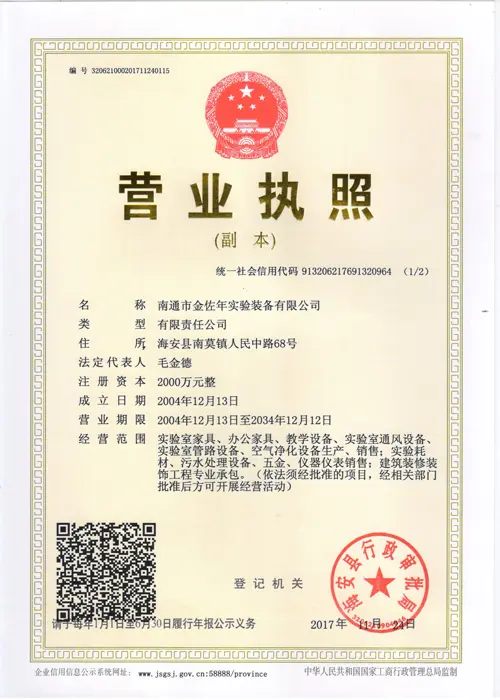
A Clean Workbench protects only the product by blowing filtered air across the work surface toward the operator. A Biosafety Cabinet protects the operator, the product, and the environment through complex airflow patterns and HEPA filtration.
BSL-3 labs typically require a Class II Type B2 (100% exhaust) or a Class III cabinet, depending on the volatility of the agents being handled and the risk assessment of the procedures.
HEPA filters generally last 3-5 years depending on the laboratory environment's cleanliness. However, annual certification and airflow velocity testing are mandatory to ensure containment integrity.
China-based factories like Jinzonian offer a unique combination of high-precision manufacturing, faster lead times due to established supply chains, and highly competitive pricing without compromising on international safety certifications.
Yes, we offer OEM and ODM services. Our engineering team can customize dimensions, materials (e.g., 316L stainless steel), and integration features (like built-in centrifuges or microscopes).
We use export-standard vacuum packaging and reinforced wooden crates to prevent any structural shift or contamination during sea or air freight, ensuring the cabinet arrives factory-calibrated.