In the modern industrial landscape, the Backward Curved Centrifugal Fan stands as the pinnacle of aerodynamic engineering. Unlike forward-curved counterparts, these impellers are designed with blades that curve away from the direction of rotation. This geometry allows them to handle high static pressures with remarkable efficiency, often exceeding 85%—a critical metric for global enterprises aiming for Carbon Neutrality.
The global ventilation market is undergoing a seismic shift toward "Smart Air Management." The integration of EC (Electronically Commutated) motors within backward curved fans is no longer a luxury but a requirement for ERP 2015/2020 compliance. We are observing a 12.4% CAGR in demand for fans that offer variable speed control without losing efficiency. This is particularly prevalent in the data center cooling and biopharmaceutical sectors, where precise airflow is non-negotiable.
For B2B procurement officers in Europe and North America, the total cost of ownership (TCO) has replaced initial purchase price as the primary KPI. A high-quality backward curved fan reduces energy consumption by up to 30% over its lifecycle. International buyers are now seeking suppliers who can provide comprehensive data sheets, including acoustic power levels (LwA) and static pressure vs. airflow curves verified by independent labs.
Nantong Jinzonian leverages "Factory 4.0" principles, integrating IoT monitoring and automated precision welding. This ensures that every backward curved impeller is perfectly balanced, reducing vibration and extending bearing life. Our supply chain resilience is built on localized sourcing of premium grade steel and proprietary motor technology, ensuring zero-delay delivery even during global logistics fluctuations.
Our R&D team utilizes Computational Fluid Dynamics (CFD) to optimize blade pitch and shroud angles. This "Information Gain" in design allows our fans to operate at lower RPMs while maintaining superior airflow, directly translating to quieter laboratory environments and lower energy bills for the end-user.
From high-pressure fume hoods in New York laboratories to massive HVAC systems in Singapore’s commercial hubs, our fans are engineered for diversity. We specialize in corrosion-resistant coatings for chemical processing plants and ATEX-certified fans for explosive environments.
Established in 2004, Nantong Jinzonian Experimental Equipment Co., Ltd. is a high-tech enterprise at the forefront of laboratory innovation. Headquartered in Jiangsu Province, we operate a 10,000sqm state-of-the-art facility. Our core mission is the research, development, and production of specialized equipment that safeguards scientific discovery.
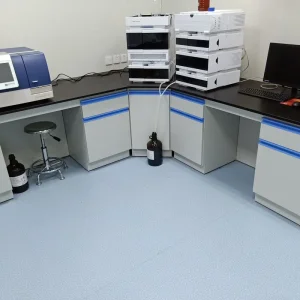
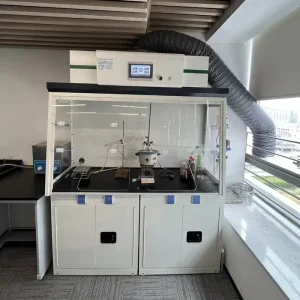
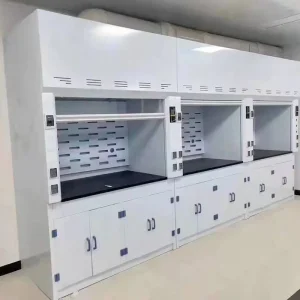
Our product portfolio extends beyond centrifugal fans to include full-scale laboratory furniture, fume hoods, and biological safety cabinets, serving industries from biopharmaceutical to environmental protection.
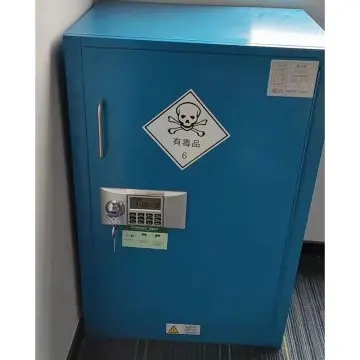
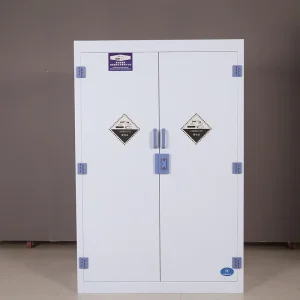
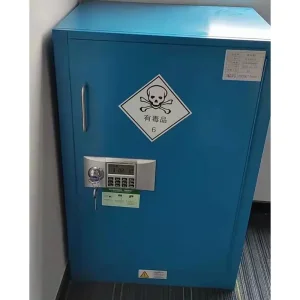
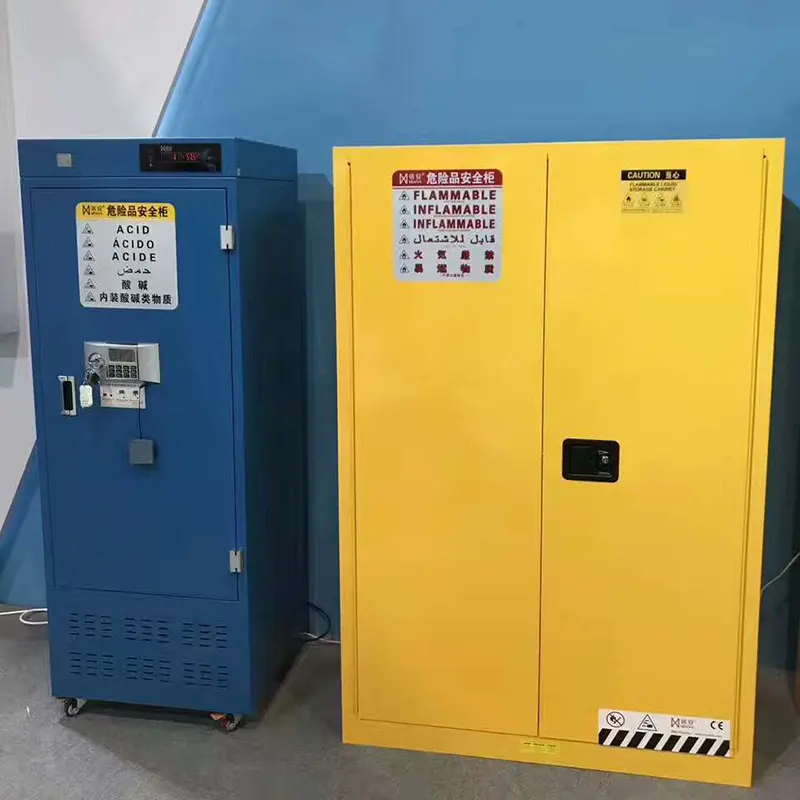
45-gallon flammable liquid fire safety cabinet. High-grade construction for chemical security.
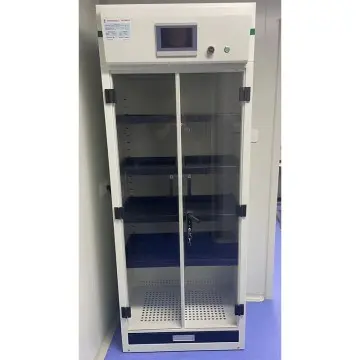
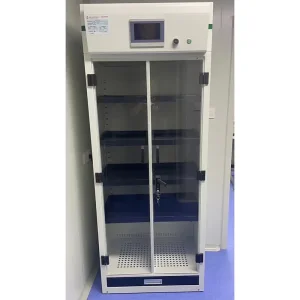
Model: JQXYPG. Precision filtration for volatile pharmaceutical storage.
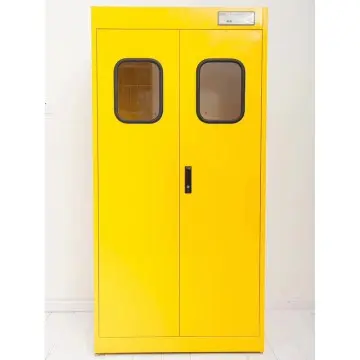
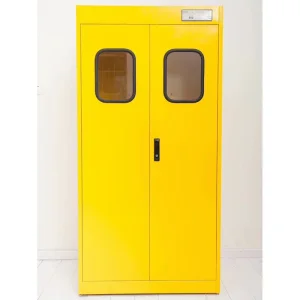
Specifications: 900*450*1900. Enhances local exhaust and cylinder safety.
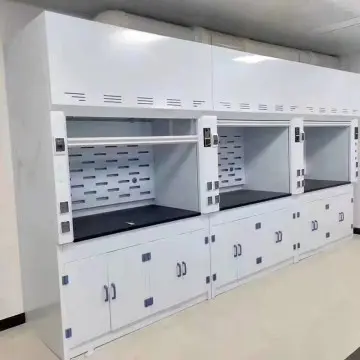
High-velocity containment. Available in All-steel or Stainless Steel configurations.
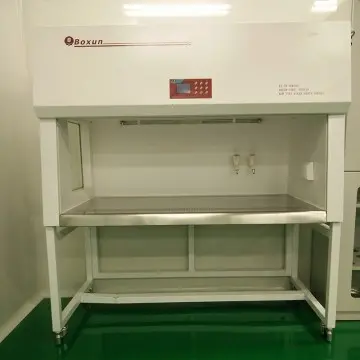
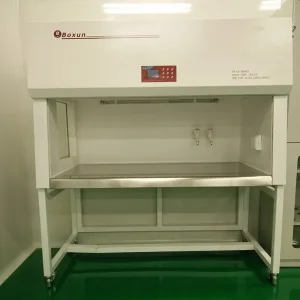
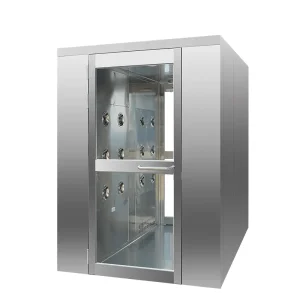
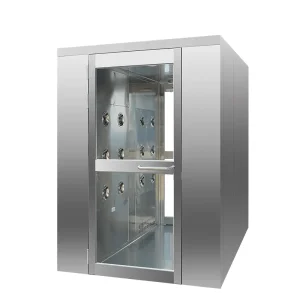
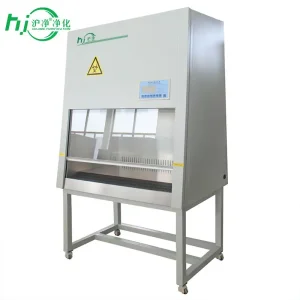
Model: SW-CJ-1FD. Essential for biopharmaceutical aseptic processes.
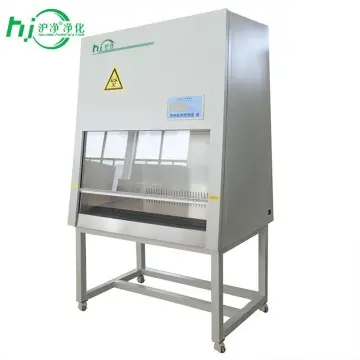
Complying with BSC-1000IIA2 standards for operator and product protection.

Partnerships with top-tier universities to pioneer air dynamics and material science.

Rigorous ISO-certified quality control protocols at every stage of production.

A 20-year reputation built on transparency, reliability, and global service support.
Exploring the integration of smart sensors in modern laboratory ventilation systems...

New investment in automated robotics for fan impeller production announced...
A deep dive into why modular furniture is the future of adaptable research spaces...