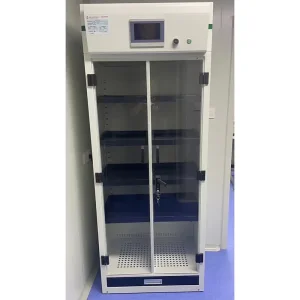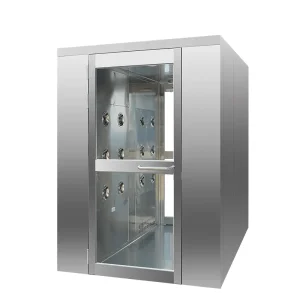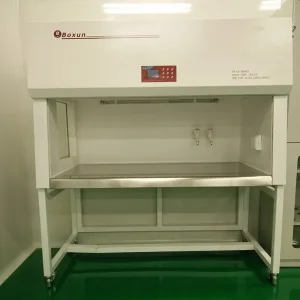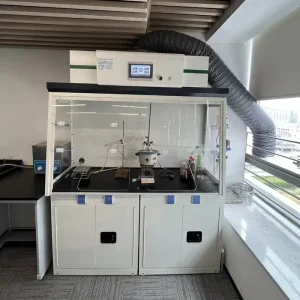
In the modern era of industrial HVAC and laboratory safety, the Inline Centrifugal Fan has emerged as the cornerstone of efficient air management. Unlike traditional axial fans, centrifugal inline systems leverage the power of centrifugal force to generate higher pressure at lower noise levels, making them indispensable for complex ducting systems. As a leading wholesale centrifugal fan inline supplier, Nantong Jinzonian is at the forefront of this technological shift.
Global Market Status: The demand for high-performance ventilation is surging, driven by stricter environmental regulations and the rapid expansion of semiconductor cleanrooms and pharmaceutical labs. Today's global enterprises are not just looking for fans; they are seeking Energy Recovery Ventilators (ERV) and Smart Airflow Control Systems that integrate seamlessly into IoT-managed buildings.
The "China Manufacturing" Advantage: China has transitioned from a high-volume producer to a high-quality innovator. At our 10,000 M² facility, we combine lean manufacturing with 20+ years of R&D expertise. By sourcing from a China-based factory, global buyers gain 30-40% cost efficiency without compromising on ISO-certified quality or patent-backed engineering.
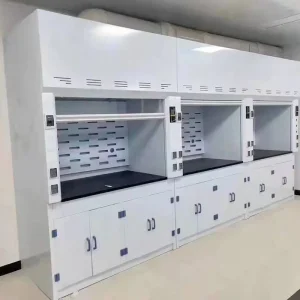
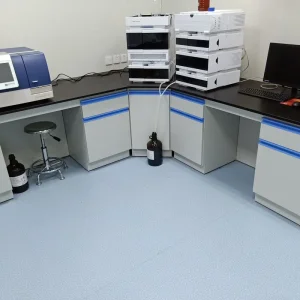
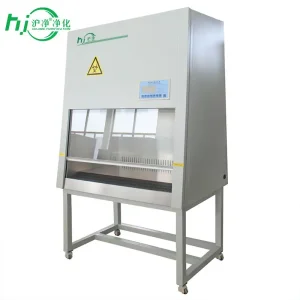
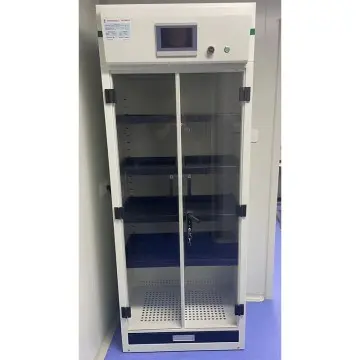
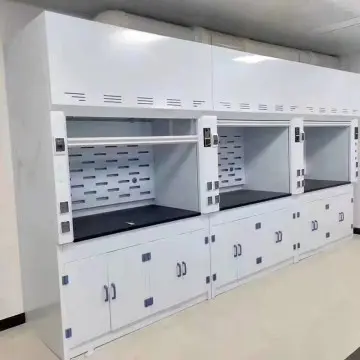
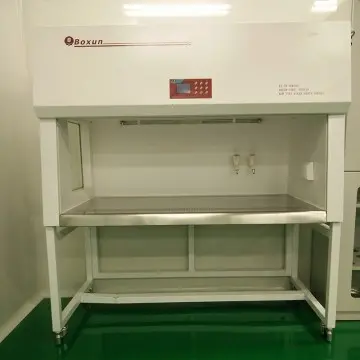
Essential for fume hoods and biological safety cabinets where maintaining negative pressure is critical for toxic gas extraction and personnel safety.
Optimized for chemical vapor extraction and industrial cooling, ensuring a consistent airflow even through long, resistance-heavy duct runs.
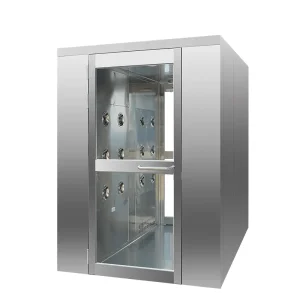
Integrated into cleanroom environments and air shower rooms to ensure HEPA filters receive the required static pressure for 99.99% particulate filtration.
Quiet operation for office buildings and hotels, where "Inline" space-saving designs allow for installation in ceiling voids without structural disruption.
Supporting battery manufacturing plants by managing heat dissipation and hazardous gas removal in a 24/7 operating cycle.
Our fans utilize EC (Electronically Commutated) motor technology, reducing electricity consumption by up to 35% compared to standard AC motors.
Nantong Jinzonian Experimental Equipment Co., Ltd. was established in 2004. It is a high-tech enterprise specializing in the research, development, production and sales of experimental equipment. Headquartered in Nantong City, Jiangsu Province, our facility covers approximately 10,000 square meters with modern production workshops and advanced production equipment.
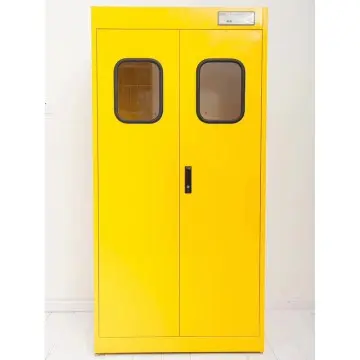
Jinzonian mainly produces laboratory equipment, laboratory furniture, and consumables widely used in medicine, chemical industry, bioengineering, and environmental protection.
Explore Our TechnologyAs we look toward 2030, the centrifugal fan inline industry is undergoing a "Smart Revolution." Global procurement officers are increasingly prioritizing three factors: Acoustic performance, Intelligent control, and Modular maintenance.
At Jinzonian, we are integrating pressure sensors and variable frequency drives (VFD) into our fan units. This allows the fan to adjust its speed automatically based on the real-time load of a fume hood or cleanroom, dramatically increasing the lifespan of the bearings and motor.
Sustainability is no longer optional. Global buyers in Europe and North America now require Life Cycle Assessments (LCA) for their ventilation equipment. Our factory is committed to using recyclable materials and high-efficiency impellers that reduce the carbon footprint of industrial facilities.
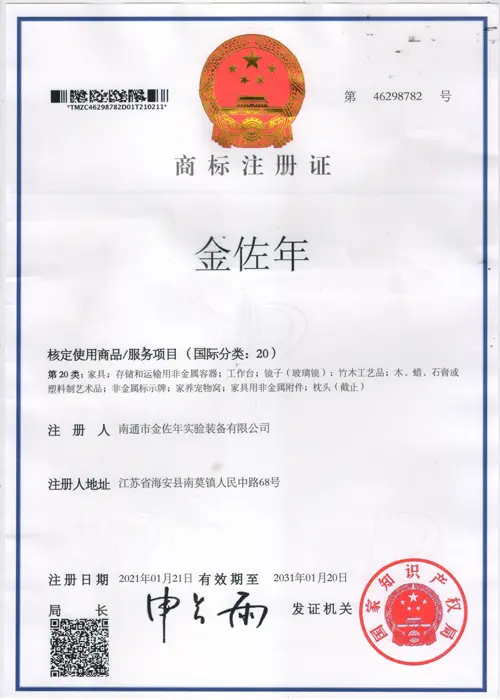
ISO Quality Management Certification
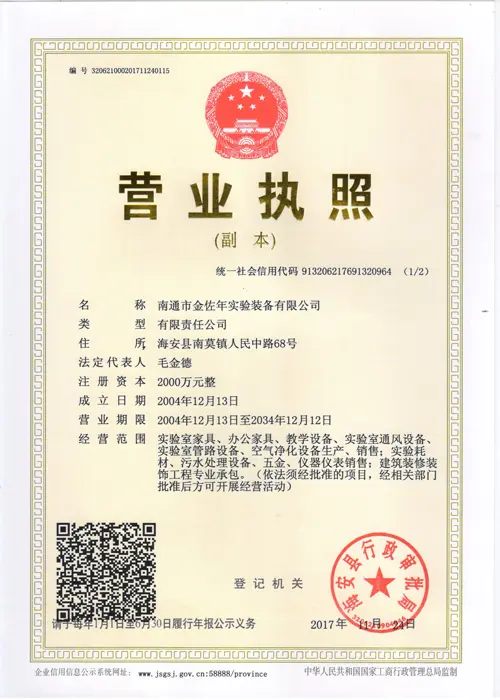
Industry Trademark Registration
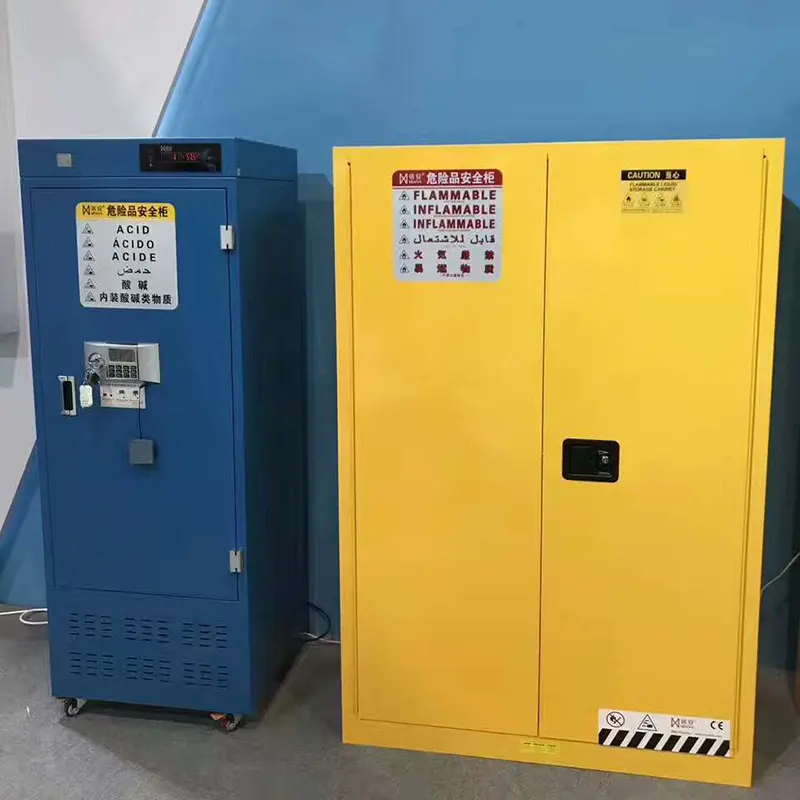
Essential Tools for Modern Labs
Recent advancements in laboratory safety have highlighted the need for more robust fume extraction systems. Our latest white paper on "The Reliable Foundation for Modern Laboratories" discusses the integration of Centrifugal Fans within the context of total air management. (Published: 01/26/2026)