In the high-stakes environment of chemical, pharmaceutical, and biological research, safety is not merely a checkbox—it is a foundational pillar. Nantong Jinzonian Experimental Equipment Co., Ltd., established in 2004, has spent two decades mastering the art of lab safety. Our commitment to the E-E-A-T principles (Experience, Expertise, Authoritativeness, and Trustworthiness) ensures that every eye wash station lab manufacturers produce under our brand meets the highest global standards.
As a leading wholesale eye wash station lab manufacturer, we recognize that the first 15 seconds after exposure to a hazardous substance are critical. Our engineering focus revolves around instantaneous activation, optimized flow rates, and ergonomic accessibility, adhering strictly to ANSI/ISEA Z358.1-2014 guidelines.
The global eye wash station market is expanding rapidly, driven by stringent occupational health regulations in Europe, North America, and Asia-Pacific. As a factory headquartered in Nantong, Jiangsu, we bridge the gap between high-volume manufacturing and precision engineering.
With the rise of "Industry 4.0," lab facilities are seeking smart safety solutions. The demand for integrated emergency stations—combining eye washes with safety showers and real-time monitoring—is at an all-time high.
Transitioning from standard stainless steel to specialized antimicrobial coatings and chemical-resistant plastics to prevent bio-film buildup in water lines.
Developing self-regulating flow valves that ensure a steady 1.5 L/min (0.4 GPM) flow regardless of pressure fluctuations in the facility's plumbing.
The future of lab safety includes smart sensors that alert facility managers the moment an eye wash station is activated, ensuring immediate medical response and logging for OSHA compliance.
We don't just sell equipment; we provide comprehensive safety ecosystems. Our macro solutions include laboratory layout consultation, ensuring that no worker is more than 10 seconds (roughly 55 feet) away from a functioning eye wash station. This localized application strategy is vital for high-risk zones such as:
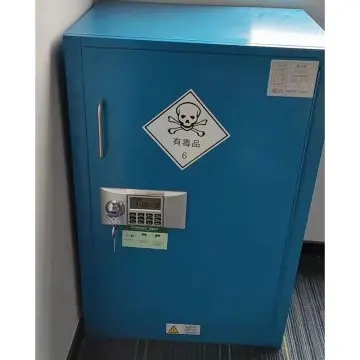
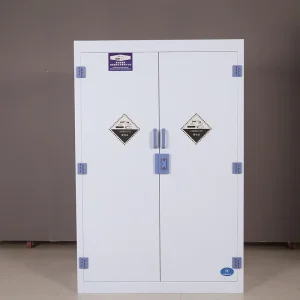
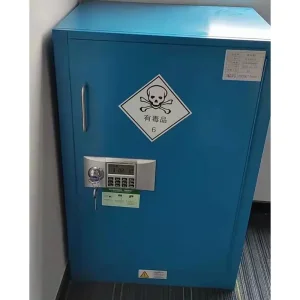
45-gallon flammable liquid fire safety cabinet. High-grade construction for maximum protection.
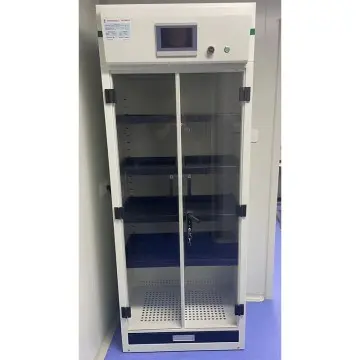
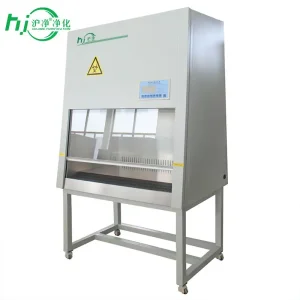
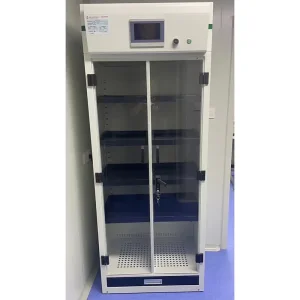
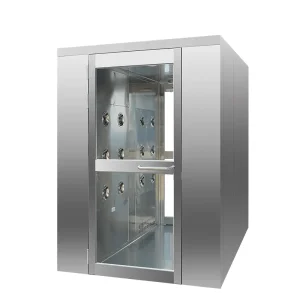
Advanced JQXYPG model with built-in filtration for toxic pharmaceutical storage.
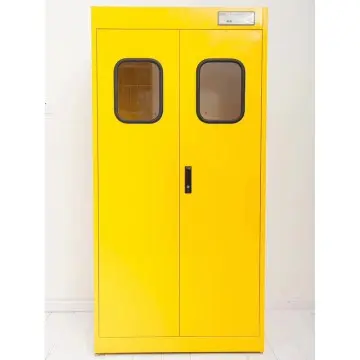
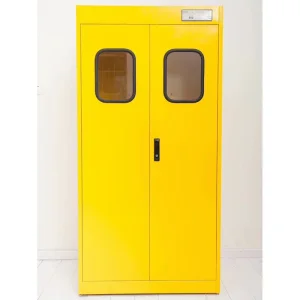
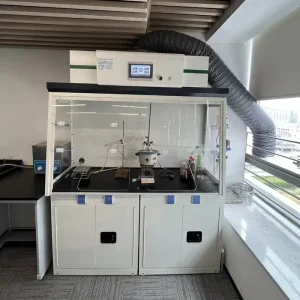
Standardized exhaust ventilation for hazardous compressed gas management.