
Understating the strict safety rules, design features, and risk-management protocols required in modern laboratories and industrial plants.
Compressed gases pose serious chemical, physical, and pressure hazards. Industrial environments handling toxic, corrosive, pyrophoric, or flammable gases must protect workers and facilities. A high-quality gas storage cabinet does more than hold cylinders; it acts as a primary safety barrier, containing leaks and providing controlled mechanical ventilation, exhaust gas scrubbing connection ports, and automatic fire-suppression linkages.
Organizations like the National Fire Protection Association (NFPA 55), OSHA (1910.101), and European Standards (EN 14470-2) define the fire resistance, exhaust velocities, and structural design needed for storing compressed gas cylinders. For procurement managers, choosing certified equipment is critical to meeting local environmental safety laws and ensuring plant operations run smoothly without interruption.

High-tech industries are growing quickly, driving the global demand for gas cabinets. In semiconductor fabrication, specialty gas cabinets handle hazardous process gases like silane (SiH4), phosphine (PH3), and arsine (AsH3) with extreme care. High-performance cabinet manufacturing requires gas leak monitoring systems, automatic purge routines, and emergency shut-off valves (EFVs).
Similarly, biotechnology, aerospace testing, and advanced petrochemical research rely on high-purity inert gases (such as helium, argon, and nitrogen) as well as highly reactive compounds. This makes advanced gas delivery and storage systems essential for modern facility design.
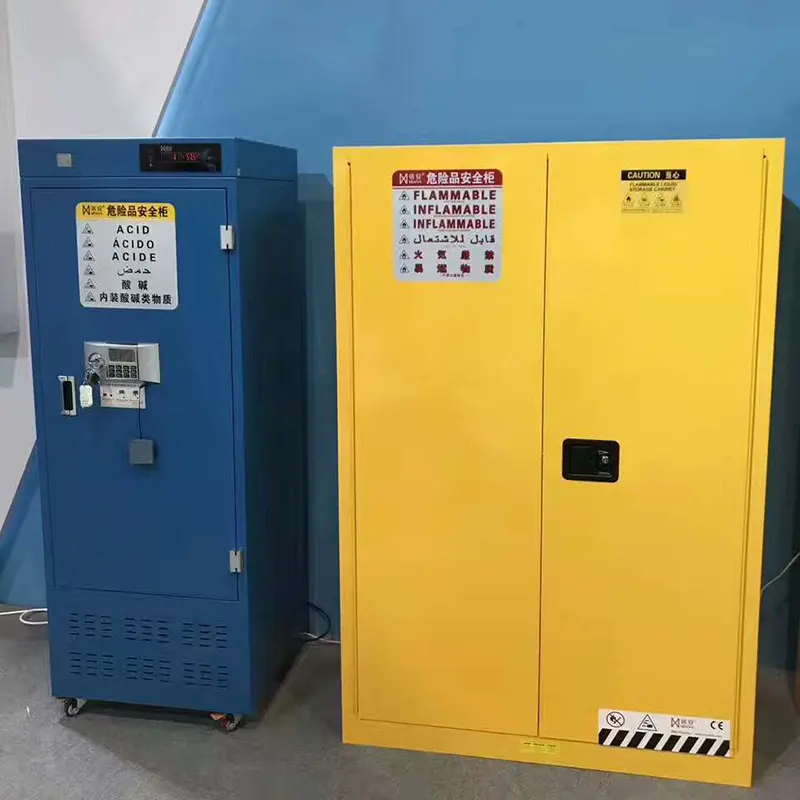
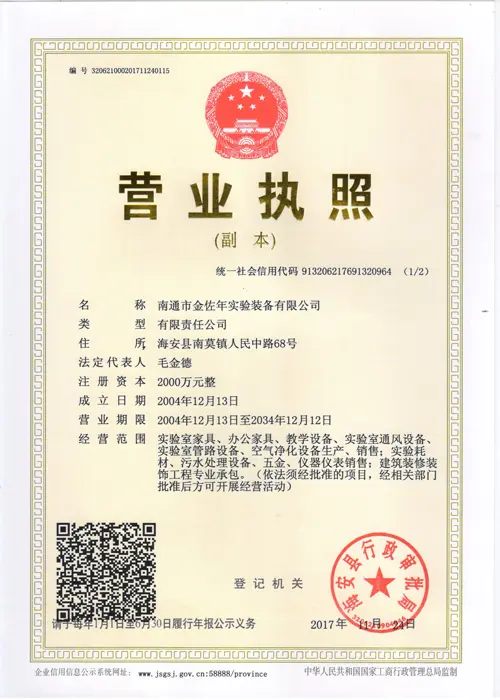
Nantong Jinzonian Experimental Equipment Co., Ltd. is a high-tech manufacturer specializing in the research, development, production, and sales of high-performance experimental and safety equipment. Based in Nantong City, Jiangsu Province, our modern production facility spans approximately 10,000 square meters. It is equipped with advanced laser cutting, automated CNC bending, and robotic welding stations to meet strict international standards.
Our comprehensive portfolio serves the pharmaceutical, chemical engineering, bio-engineering, cleanroom manufacturing, and environmental testing sectors. Backed by 20+ years of design experience, we manufacture high-performance products that protect personnel, safeguard research environments, and control hazardous emissions.
Explore the dimensions, material grades, and application details of our most popular safety and cleanroom storage systems.
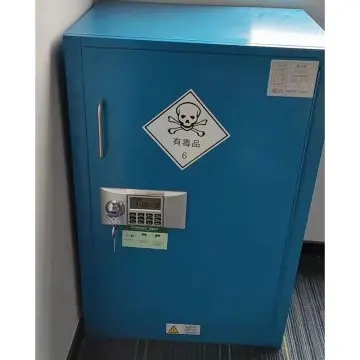
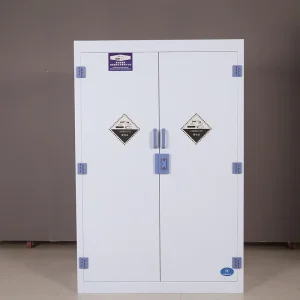
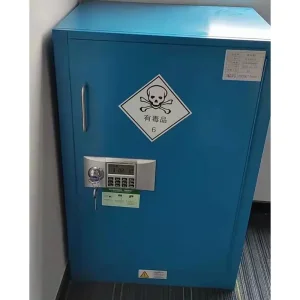
Specifically designed for the secure containment of flammable liquids. Features double-walled 18-gauge cold-rolled steel construction with 1.5 inches of insulating air barrier to resist fire.
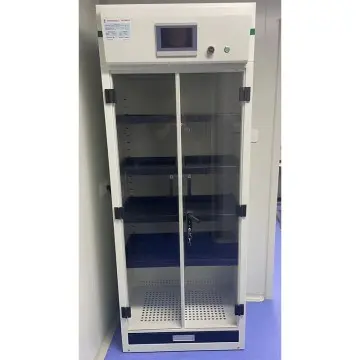
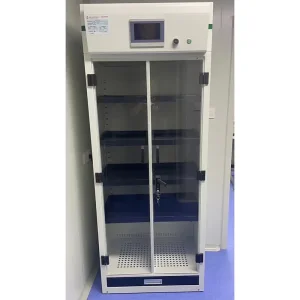
Equipped with integrated molecular filtration systems to continuously remove toxic chemical vapors and bad smells, protecting lab staff from hazardous inhalation risks.
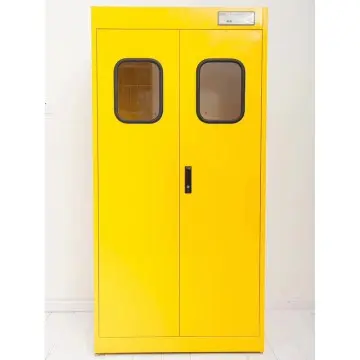
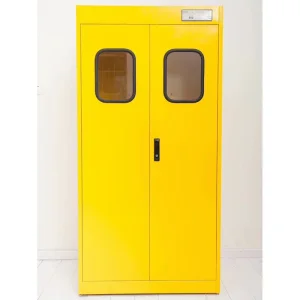
Designed to improve local exhaust ventilation and safety control. Features heavy-duty gas cylinder holding chains, ramp entry, and top exhaust connections for duct integration.
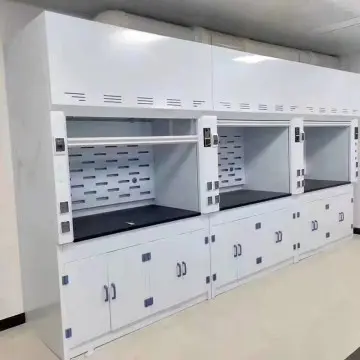
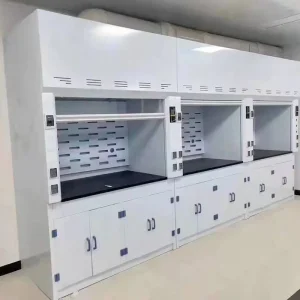
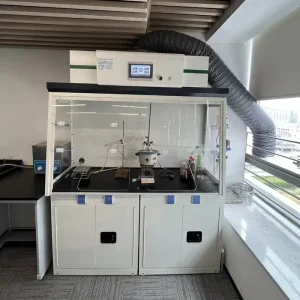
Features a smart, high-aerodynamic shape that safely draws toxic gases away from users, keeping the working zone clear of chemical spills and hazardous emissions.
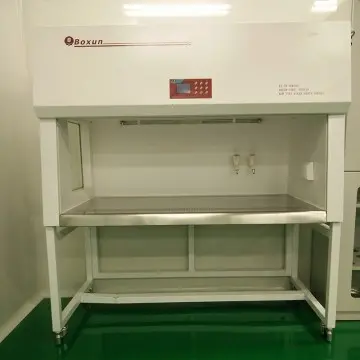
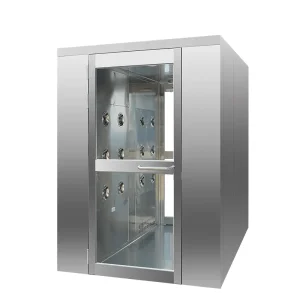
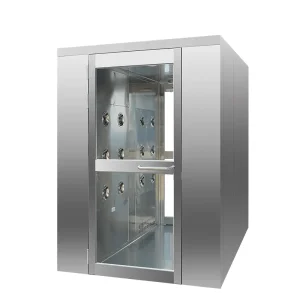
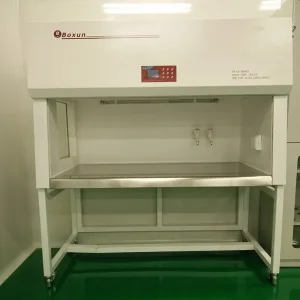
Provides an ISO Class 5 particulate-free environment for handling sensitive samples. Highly recommended for biopharma, electronic component assembly, and tissue cultures.
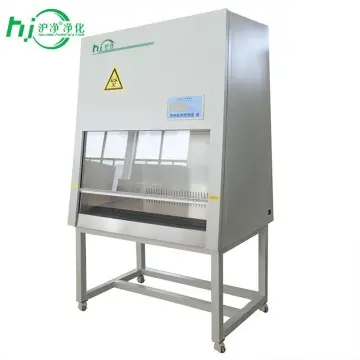
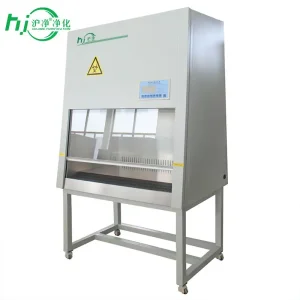
Features 70% air recirculation and 30% exhaust through high-performance HEPA filters. Protects operators, laboratory environments, and biological samples simultaneously.
Understanding the economic, industrial, and technical advantages that make China the hub for laboratory infrastructure manufacturing.
Modern Chinese factories use laser cutters, CNC bending machines, and automated welding lines. This automation keeps dimensions consistent, welds strong, and ensures all industrial safety cabinets match strict global compliance standards.
By purchasing steel, electronics, and coatings in volume from nearby suppliers, we lower our production costs. We pass these savings directly to you, offering high-quality gas cabinets at competitive prices.
We build to order. Whether you need custom gas manifolds, special sensor integration, dual-door gas bottle setups, or specific exhaust flanges, our engineering team can modify design drawings within days.
Located near major shipping ports like Shanghai, we coordinate fast shipping routes, handle customs clearance smoothly, and provide seaworthy wooden case packaging to guarantee damage-free arrival.
Why research institutes, universities, and industrial corporations trust us for safety equipment manufacturing.
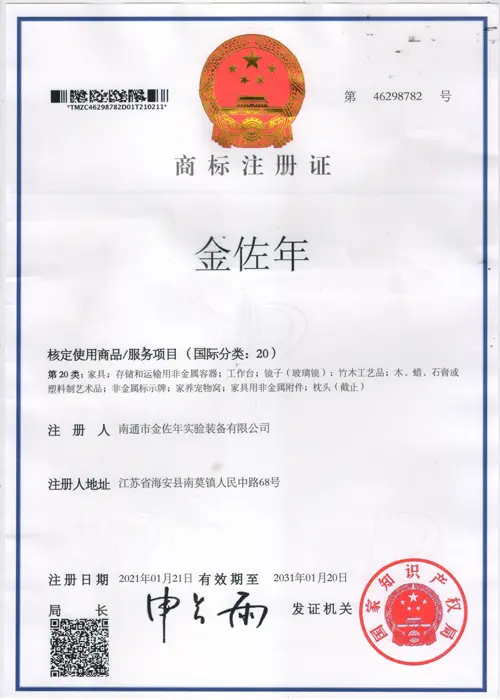
We partner with leading universities and research institutes to develop safe, durable products backed by our own patents and intellectual property.
Our factory processes meet ISO 9001, ISO 14001, and ISO 45001 standards, ensuring reliable product performance and global customer satisfaction.
We work with absolute transparency. Every piece of equipment is performance-tested before shipment, ensuring safe and reliable operation in your facility.
We focus on quality and safety at every step. Through continuous testing, we ensure our gas storage systems comply with international safety regulations.
How current safety regulations and gas storage trends affect layout designs in global factories and laboratories.
Modern gas storage cabinets integrate with facilities monitoring systems (FMS). Built-in sensors detect gas leaks (such as toxic, combustible, or oxygen-depleting gases) and trigger safety alarms instantly.
New safety standards require purging toxic gas lines before cylinder changes. Automated purge gas cabinets run cycles of nitrogen purge and vacuum draw to clear lines, keeping technicians safe.
For storing flammable gases like hydrogen or methane, ventilation fans and electrical fittings must be explosion-proof. Spark-free motors and anti-static grounding protect against ignition risks.
Different fields require custom gas cabinet setups to meet their unique research and production needs.
Detailed technical answers to help you plan, select, and install gas cylinder safety systems.
Safety standards like NFPA 55 and OSHA state that ventilated gas cabinets must maintain an average face velocity of at least 200 feet per minute (1.0 m/s) across the window access port with the window open, ensuring toxic or flammable fumes are exhausted safely.
Purge panels isolate the main gas source and flush delivery lines using inert nitrogen gas. Cycling between pressure purges and vacuum draws removes residual toxic or flammable gases before the technician disconnects the cylinder, preventing exposure.
Incompatible gases must not be stored together. For example, flammable gases and oxidizing agents must be kept separate. Safe storage requires using individual cabinets or certified internal partition walls to prevent dangerous chemical reactions in the event of a leak.
Double-walled steel structures feature an insulating air gap (typically 38mm or 1.5 inches) that slows heat transfer during fires. This design helps keep internal temperatures low, protecting cylinders from pressure build-up and reducing the risk of explosions.
Stay updated with research findings, compliance guides, and safety tips for modern laboratory infrastructure.

Connect with our engineering team to get detailed CAD files, customization quotes, or certificates for your facility project.
Contact Our Sourcing Engineers